Prime Lens Photography: Choose Your First Lens With Care
For me, stars, starscapes, and other night scenes are where prime lens photography really earns its place in my camera bag. Wider apertures such as f/1.8 or f/2.8 help me work in low light and give me more control over background blur and subject separation
When I’m shooting at or near dusk, I can keep working as the light fades without immediately reaching for a higher ISO. I also like the way a prime lens makes me move around and think about the composition. If I find myself shooting a wedding for any reason, I reach for the 50mm prime. I reach for the 50mm prime.
In this guide, I’ll explain how I choose a prime lens by focal length, aperture, subject, and close-focus needs
Key Takeaways
Choose focal length before chasing a wide aperture.
Match the lens mount and sensor format.
Check magnification and working distance for macro.
A prime lens has one fixed focal length, so it cannot optically zoom; in other words, zoom is done with your feet. To make the subject larger or smaller in the frame, you must change position, crop in post, or choose another lens. These choices do not create the same result.
Moving closer changes the relationship between foreground and background objects. Cropping keeps the original perspective but discards pixels. Changing focal length from one position changes framing, not perspective.
Most true primes offer a wider maximum aperture than your normal kit lens. This allows for a faster shutter speed in low-light conditions or a shallower depth of field. Yet not every prime is small, light, inexpensive, or quick. Before you purchase, check the specifications.
A good prime lens aligns its fixed focal length with a consistent photographic requirement. Such as a lighter kit, low-light work, or true close focus are clear reasons to buy.
Should You Choose a Prime or a Zoom?
Choose a prime when one focal length fits your workflow, style, aperture, or special capability and adds value. Keep your zoom lens when quick reframing matters or your position is restricted. When deciding between a zoom or prime lens, remember that modern zooms can also be sharp, so image quality alone should not decide. Choose a prime lens because its fixed view solves a specific problem, not because you think every prime is automatically sharper.
A prime may fit when you
use nearly the same zoom setting in many photos;
want a wider aperture for low light or subject separation;
prefer a smaller lens for walking or hiking;
You need a true macro lens for photographing close subjects.
want a consistent field of view.
Many of us use prime lenses to simplify a kit, but that does not mean one lens must cover every subject. Use a prime lens when its framing suits the work, and keep a zoom when flexibility matters more.
A zoom may be more practical when you
photograph from lookouts, trails, barriers, or crowded spaces;
work in dust, spray, or weather where swapping your lens is risky; or
• You do not yet know which focal length you use most.
Looking to stretch your budget? We’ve got good news! Save an additional 10% use code bwild10
Which Focal Length Fits Your Photos?
Choose a focal length from the framing you use. A 24mm wide-angle lens can hold a broad landscape and strong foreground, although the wide angle may exaggerate near objects and reveal more edge distortion. A 35mm prime gives a moderately broad angle of view, while a 50mm lens provides more restrained framing. An 85mm short telephoto can isolate distant shapes and layers, with stronger compression when you photograph from farther away.
Sensor format affects angle of view. A 35mm lens gives a tighter view on an APS-C camera than on a full-frame body. The sensor does not change the lens’s actual focal length, but it changes how much of the scene appears in the frame. Use the maker’s crop factor when comparing examples.
Lens Trait
Useful For
Main Limit
Wide focal length
Broad scenes and near foregrounds
Small subjects can look distant
Normal focal length
Walk around details and natural framing
May feel tight in small spaces
Short telephoto
Distant layers and subject isolation
Needs more working room
Wide maximum aperture
Low light and shallow focus
Can add cost, size, and weight
True macro capability
Small subjects at high magnification
Focus and depth of field need care
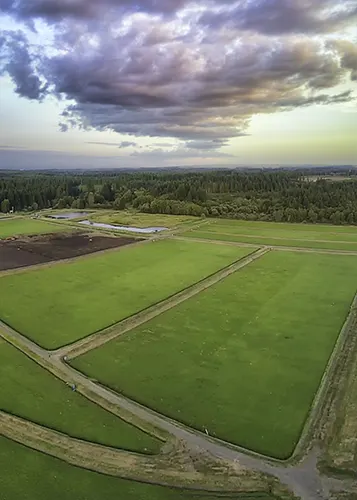
For landscapes, low weight and filter compatibility may matter more than an ultra-wide aperture. Middle apertures can carry detail through more of the frame. Night skies create a stronger case for a fast lens.
For portraits, a 50mm or 85mm prime can provide useful working distance and a shallow depth of field. A wide aperture such as f/1.2 can increase background blur and produce smoother bokeh, but focus becomes less forgiving. Optical quality also varies by aperture, so compare your photographs rather than assuming the widest setting gives the best result.
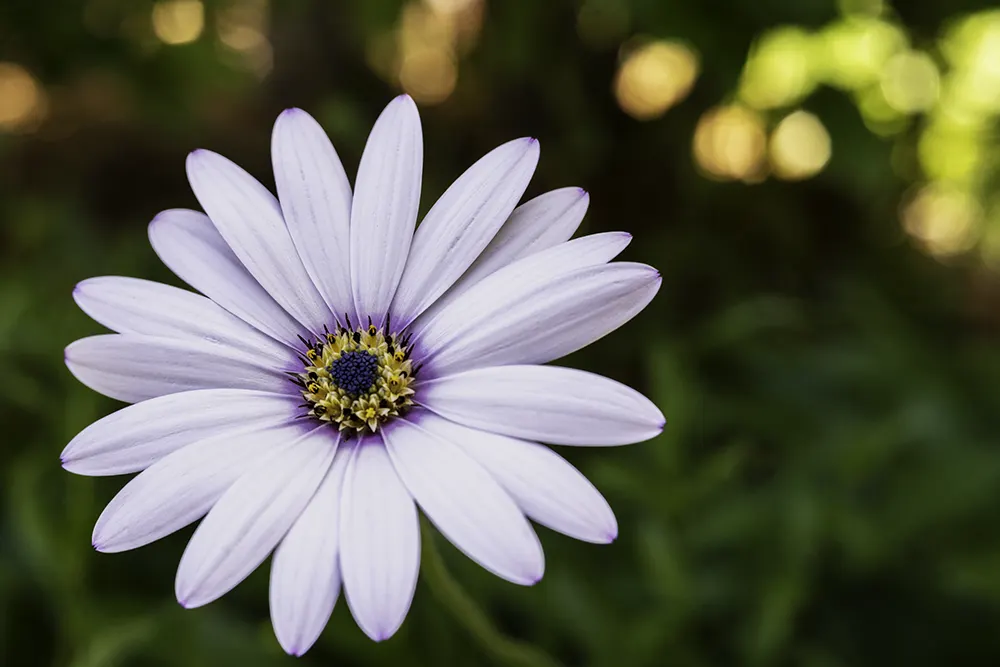
For macro, check maximum magnification, minimum focus distance, and working distance. A longer macro lens can leave more room between the lens and subject, helping you avoid blocked light or a crowded insect. Macro photography often needs a narrower aperture and careful shutter speed control because depth of field becomes extremely thin at close distances.
Check Compatibility Before You Buy
Start with the lens mount. A mismatched lens may need an adapter, which can affect autofocus, stabilization, or other functions. Check the manufacturer’s compatibility information.
Then check:
Sensor coverage: A lens made for a smaller sensor may crop or darken corners on a larger format.
Autofocus support: Confirm that the camera and lens support the focus you expect.
Stabilization: Find out whether it is in the lens, camera body, both, or neither.
Filter size: Landscape filters must fit, or you will need a suitable step-up ring.
Minimum focus and magnification: Close focus alone does not always mean true macro capability.
Weight and balance: A compact specification can still feel front-heavy on a small body.
Also compare the hood, weather-sealing claims, focus controls, and return policy.
Test a Prime Without Buying
Test the focal length against one of your zoom lenses. Test the focal length against one of your zoom lenses by setting it to the desired focal length and testing it for several outings.
During the test, note:
how often you cannot step forward or back;
whether the frame feels too wide or too tight;
Which subjects do you stop photographing?
whether you keep cropping in the same direction; and
whether low light, close focus, or lens weight is the real problem.
A zoom lens will not be able to match the prime’s aperture, optical design, bokeh, or handling. A week of prime lens photography will still reveal whether the lens fits in with your shooting style. Photo metadata can also show which focal lengths you use most.
Renting or borrowing adds a better test of size, controls, focus, and balance. A reputable used seller can lower the cost of experimenting, provided the return terms and conditions are clear.
Build Skill With One Focal Length
Start by exploring the position before raising the camera. Walk around the subject, check the edges, and watch how foreground objects change as you move. Do not step into traffic, unstable ground, private property, or sensitive habitat just to fill the frame.
Use the fixed view as a constraint:
make one wide environmental frame;
move safely for a tighter composition;
try vertical and horizontal versions;
check for distracting edges before pressing the shutter; and
Compare distance changes on a contact sheet.
The goal is not to prove that one lens can do everything. It is to learn where its view works quickly and where another lens would be better. A photographer who learns to use prime lenses makes more deliberate framing decisions without treating lens changes as a requirement for every scene.
Conclusion: Choose the Photos You Make
Prime lens photography works best when the fixed focal length matches a real need. Choose the view first, then weigh aperture, focus ability, compatibility, and carrying comfort. Test before buying when possible, and keep the zoom if flexibility solves more problems than the prime.
A 50mm prime is excellent for landscapes when you want natural framing, distant layers, or selected details. Its angle of view may feel tighter on an APS-C camera, so check the equivalent view for your sensor.
Not every prime lens can shoot macro at high magnification. Check the stated maximum magnification, minimum focus distance, and working distance. A “macro” label should be supported by the manufacturer’s specifications.
A prime lens cannot zoom optically because it has one fixed focal length. Change your position, crop the photo, or switch lenses to alter how much of the scene fills the frame.