Grand Opening & Black Friday Sale  =  50% Off 

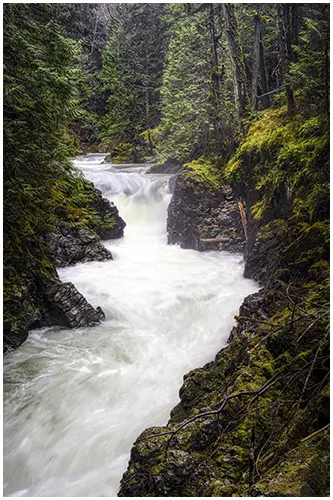
example of symmetry in photography.
Down Arrow

Mastering Symmetry in Forest Photography: A Beginner’s Guide

Discover the calming power of symmetry in forest photography . It brings a sense of order and stability to your nature shots, creating visually appealing images. First, do you understand that symmetry has a stabilizing effect on your photos? It creates a sense of calm and order in nature shots. 

Forests are packed with patterns and reflections. You can capture incredible photos, such as trees in a row or a lake acting like a mirror, showing how parts of your shot reflect other parts. Getting to grips with symmetry will unlock new ways to express your art in woodland scenes.

Key Takeaways

  • In forest photography, symmetry adds stability and calmness to your images.
  • Utilizing reflections in forest photography can create striking symmetrical compositions.
  • Explore different types of balance, including radial balance, for dynamic visuals.
  • Incorporating techniques like the rule of thirds enhances your overall composition.
  • Natural settings like forests provide endless opportunities for creative exploration.
  • Pay attention to the golden hours for optimal lighting to capture vibrant images.
  • Gear selection, like macro and wide-angle lenses, significantly impacts your results.

Table of Contents

What Makes Forest Photography Unique?

Forest photography offers a special glimpse into nature’s beauty, capturing the serene majesty and hidden wonders within these wooded realms.

Forest photography captures nature’s magic. It’s unique because it:

  • Plays with light filtering through trees.
  • Shows intricate details like textures and patterns.
  • Creates a sense of depth and scale.
  • Evokes emotions through mood and atmosphere.
  • Offers diverse subjects, from towering trees to tiny mushrooms

Introduction to Symmetry in Forest Photography

Exploring symmetry in forest photography is fascinating, as it reveals the architecture of nature. It adds balance to your shots and touches viewers’ hearts by showcasing the beauty of symmetry. Nature is full of symmetry, which can make your photos calm and beautiful.

From perfectly lined trees to peaceful reflections, symmetry in forests brings harmony. It grabs people’s attention and makes them appreciate the beauty of nature.

Why Symmetry Matters in Forest Photography

Symmetry in forest photography brings order and connects with our feelings. Mastering symmetry makes your photos more powerful, helping viewers feel the scene.

A perfect symmetry photo brings peace and makes us fall in love with nature even more. Trees, flowers, and water offer chances to find symmetry. They show the magic of balance in nature.

Understanding the Types of Symmetry in Forest Photography

Knowing about different types of symmetries can unlock your surroundings’ full potential and enhance your skills as a photographer by helping you understand how parts of your composition mirror each other. Let’s look at horizontal and radial symmetry, two ways to make your forest pictures stand out.

Horizontal Symmetry: Capturing Reflections and Balance

Horizontal symmetry is excellent for photos with water, reflecting the two sides of the composition. Imagine a still pond reflecting the trees. Using horizontal symmetry makes your photos stable, drawing people in and allowing the two halves to complement each other.

  • Look for calm water surfaces, such as ponds or lakes.
  • Frame your shot to capture both the foreground and the reflection.
  • Experiment with different angles to emphasize the symmetry within the scene.

Radial Symmetry: Exploring Patterns 

Radial symmetry is all about patterns. It shows elements spreading out of the centre, like flowers or whirlpools. Try emphasizing this type of symmetry in your photography.

  • Search for natural subjects that display radial symmetry, like flowers or tree rings.
  • Compose your shot to highlight the focal point, enhancing the sense of balance.
  • Fill the frame with these patterns for visual impact.

Trying out these symmetries can boost your forest photography. Mixing horizontal symmetry with radial designs will surely wow your viewers with your amazing forest photos.

How to Find Symmetry in Forests: A Step-by-Step Guide

This guide will show you how to spot and take perfect symmetrical shots. We’ll look at finding the right spots using symmetry, then learn how to frame and compose your photos.

Scouting Locations for Symmetrical Shots

When searching for places, look for natural areas.

  • A row of leaning trees creates a balanced foreground.
  • Calm bodies of water reflect the scenery above.
  • Clear paths or trails that lead the eye toward a symmetrical focal point, creating a line of symmetry.

Using these features will help you take stunning forest photos.

Framing and composition techniques.

After picking a spot, knowing how to frame your shot is essential.

Try these techniques:

  • Use the Rule of Thirds
  • Lead the viewers’ eyes toward the centre with lines.
  • Keep your horizon straight. An uneven line can mess up your photo.
  • Use empty space around your main subjects to make them stand out.
Graphic explanation of how to use symmetry in forest photography.

Early Black Friday Save up to 35% On Photo RAW –  Download your free trial today!

Tips and tricks for perfecting symmetry in forest photography

Timing and lighting are crucial when trying to get the ideal forest photo. The golden hours, just after sunrise and before sunset, have soft light that helps your photo stand out from top to bottom. Take note of how the light interacts with the forest terrain.

Lighting and Timing: The Golden Hours

To get the most from these prime hours, follow these tips:

  • Shoot at least two hours before sunset for the best light.
  • Try different angles and positions to capture light.
  • Use reflective surfaces like calm lakes or polished trees to enhance symmetry.

Post-Processing Techniques for Symmetrical Photos

Sometimes, the perfect shot needs a little help. This is where a digital touch-up using ON1 or Neo from Skylum can help to highlight the symmetry in photography.

Post-processing can make your images stand out. Here are some suggestions on how to improve your photos:

  • Adjust contrast to highlight its features along the axis of your photograph.
  • Use sharpening tools to enhance focal area details.
  • Try Lightroom presets for forest landscapes; the Master Collection has symmetry-focused options.

Understanding and using a burn and dodge routine can greatly enhance your forest photos. 

Conclusion

Mastering symmetry in forest photography is like learning a new language. It lets you see the beauty of nature in a new way.

Every forest is a unique place, offering endless opportunities for you to expand your knowledge of forest photography. 

Don’t be afraid to try new things and add a little bit of imperfection. It can make your pictures special.

The main thing is to show the world around you through your photos. Each picture is a part of your adventure. So, get ready to explore the world of symmetry in forest photography!

Frequently Asked Questions

Beginners can achieve symmetry in forest photography by focusing on reflective symmetry and looking for elements like tree lines or paths that create two halves of an image. Paying attention to little details and ensuring that your compositions are neat will help you clean them up.

Look for natural patterns such as radially arranged leaves, a ripple on water, or the petal arrangement in flowers. These can provide a powerful technique in photography to make the composition appear balanced and harmonious.

You can apply symmetry photography to both street photography and architecture. In street photography, look for symmetrical structures or reflections. In architecture, interiors often present opportunities where symmetry occurs naturally, making them ideal for practising this technique.

Symmetry gives photographs a balanced and organized look, which can make compositions and the most mundane things look professional. It is a powerful technique in photography that highlights the subject’s structure and form.

Our Latest Blogs

Download Our Free E-Book

Unlock the secrets to photographing the forest.