Grand Opening & Black Friday Sale  =  50% Off 

Shooting landscapes in adverse weather conditions.
Down Arrow

Landscape Photography: Adapting to All Weather Conditions

Living as a landscape photographer on Vancouver Island, I’ve learned to embrace the rain. Inclement weather isn’t a barrier to capturing stunning images; in my opinion, it’s an opportunity.

While many photographers shy away from stormy skies and wet conditions, I’ve discovered that these elements can add incredible mood and drama to a photo.

Through this guide, I’ll share what I’ve learned about adapting to all weather conditions in landscape photography and how this mindset has allowed me to transform ordinary scenes into breathtaking photos and grow as a photographer

Key Takeaways

  • Weather defines a photo’s mood and light.
  • Ignoring weather is a common photography mistake .
  • Clouds add depth and drama to the sky.
  • Adapting to bad weather brings unique opportunities.
  • Harsh light can be managed with filters and creative use of shadows.
  • Forecasting is key for planning and predicting light conditions.
  • Filters (polarizing, ND) are essential tools for managing light.
  • Adapt your camera settings is a fundamental part of the process.

Table of Contents

The Importance of Adapting to Weather Conditions

The Role of Weather in Capturing Landscape Photos

The cornerstone of successful landscape photography is adapting to weather conditions. It’s has the ability to profoundly influence the mood of the photo. The type of weather present determines the lighting conditions, colours, and overall atmosphere captured in your landscape images.

As a landscape photographer, understanding how weather affects light is essential. By learning to predict and respond to weather, you can transform ordinary scenes into dramatic landscapes, showcasing the serenity or the raw power of nature.

How Different Types of Weather Affect Your Shots

Different weather conditions dramatically change the way light interacts with the landscape. Bright sunlight, for example, creates harsh shadows and high contrast, making it challenging to capture balanced exposures without using a neutral density filter.

On the other hand, a cloudy day or overcast produces soft light, ideal for even illumination and capturing subtle details. Stormy weather can bring dramatic skies and unique lighting opportunities, but also presents challenges in terms of safety and protection your gear.

Being able to adapted to each type of weather and how it affects your vision is crucial for a successful photo shoot.

Clouds and Their Impact on Landscape Photography

Clouds are your best friend, they adding depth, texture, and most important drama to the sky. The presence and type of clouds can significantly impact the lighting conditions and overall mood of a landscape photo.

For instance, a few scattered clouds during sunrise or sunset can create stunning rays of light as the light breaks through them, while a stormy sky filled with dark, ominous clouds can add a sense of foreboding to the photograph.

The ability to read weather patterns and anticipate how clouds will interact with the landscape is a priority for capturing truly breathtaking landscape images.

Looking to stretch your budget? We’ve got good news! Use the  SPECIAL code  whosaid15 for an extra 5% off

Practical Techniques for Adapting to Inclement Weather

Techniques for Shooting in Rain 

Photographing landscapes in bad weather offers unique opportunities but also presents challenges. Success often hinges on a few key preparations, including:

  • Employing a reliable tripod to maintain stability in unstable weather conditions and achieve sharp landscape images.
  • Protecting your equipment from moisture, ideally using a waterproof camera bag or rain cover.

Beyond that, experiment with shutter speed to capture the motion of raindrops or opt for a faster shutter speed to freeze them in time.

The key to adapting to weather conditions in landscape photography is to actively seek out the opportunities they offer, no matter the forecast.

Utilizing Cloudy Days for Dramatic Landscape Shots

Cloudy or overcast conditions are ideal for us landscape photographers. They provide the soft light that reduces harsh shadows and highlights. Diffuse lighting enhances colour saturation and detail, which is perfect for capturing subtle textures in landscape images. 

A cloudy sky can add depth and dimension, turning an otherwise dull photo into a dramatic landscape. Experiment with long exposures to blur moving clouds, creating a sense of motion and serenity. Using the clouds skillfully can really boost your photography skills.

Taking Advantage of Harsh Light Conditions

Harsh light occurs when the sun is high in the sky (midday), which can present its own challenges. However, with the right techniques, you can turn these conditions to your advantage. 

Use a neutral density filter to lessen the light entering the camera, thereby avoiding overexposure. Look for opportunities to photograph subjects in shadow or use harsh light to create dramatic landscape images. 

Embrace shadows and highlights, and use post-processing techniques to balance the exposure.

How Forecasting Helps You Adapt Your Approach

Choosing the Right Time Based on Weather Reports

Effective weather forecasting is essential for planning successful landscape photography outings. Use weather apps and websites to monitor weather patterns, including the likelihood of rain, cloud cover, and sunrise and sunset times.

Understand that light changes depending on the weather, and you can use this information to predict optimal lighting conditions. Being proactive and adjusting your plans based on reliable weather reports will improve your success in capturing dramatic landscapes.

Apps and Tools for Accurate Weather Forecasting

There are numerous weather apps and tools available to provide landscape photographers with accurate weather forecasting. These resources offer detailed information about cloud cover, wind speed, temperature, and precipitation.

 Some apps even specialize in weather for landscape, providing specific data relevant to photography, such as the golden hour and blue hour times. Familiarize yourself with these tools and use them to make informed decisions about when and where to photograph, depending on the weather.

Planning Your Landscape Photography Outings

Planning your outings involves more than just checking the weather. Consider the type of weather and how it will affect your photos. Think about the location and how different weather conditions might enhance or detract from the beauty of the landscape.

Plan your shots based on anticipated lighting conditions and pack appropriate equipment, such as filters and rain gear. Anticipating potential weather changes and preparing accordingly can greatly improve your chances of capturing stunning landscape photos.

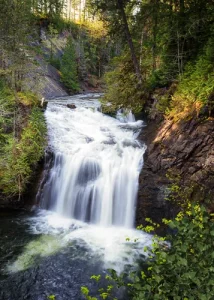
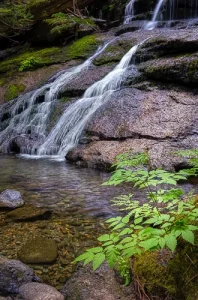
Example of being able to adapt to all weather conditions in landscape photography.

Essential Tips for Adapting to Any Weather Condition

Using Filters to Enhance Landscape Photos

Bring out your polarizing filter to minimize glare and reflections, particularly when capturing images of water or damp foliage. A polarizing filter will also deepen the blue in the sky, making the clouds stand out, adding depth to your images. 

A neutral density (ND) filter allows you to use a slower shutter speed, creating motion blur in clouds or water. Graduated ND filters are particularly useful for balancing the exposure between a bright sky and a darker foreground, ensuring you capture the full dynamic range of the landscape.

These filters are indispensable tools for any landscape photographer.

Adjusting Camera Settings for Various Weather Conditions

Understanding your camera settings and knowing how to adjust them to suit different weather conditions is vital for capturing your best landscape photos. In bright sunlight, you’ll want to use a lower ISO and a smaller aperture (higher f-number) to avoid overexposure and maintain sharpness throughout the landscape.

On cloudy days or in overcast conditions, you want to increase your ISO or open up the aperture to let in more light, but be mindful of noise.

In stormy or hazardous weather, protect your equipment and use a faster shutter speed to freeze the action. Mastering these adjustments ensures your photographs are well-exposed and sharp regardless of the weather.

Common Errors to Avoid in Landscape Photography

One common error I see is failing to consider the weather. Ignoring the type of weather and its impact on light can result in underexposed or overexposed photos. Several other mistakes can also negatively impact your landscape photos:

  • Ignoring the tripod can result in blurry landscape photos, particularly during low light or adverse weather conditions.
  • Neglecting to clean your lens can result in undesirable artifacts in your images.

Additionally, neglecting post-processing can leave your photos looking flat and lacking in contrast. Avoiding these errors and utilizing the right techniques will help you capture stunning landscape photos every time. 

Conclusion

Landscape photography will always involve an understanding of and adapting to weather conditions. By utilizing appropriate techniques, such as weather forecasting, understanding light, and adjusting camera settings, anyone can create breathtaking landscape images regardless of the weather.

Remember to plan your outings based on weather patterns, and always be prepared to adapt your approach depending on the weather. Embrace the beauty of the landscape and use different weather to enhance your creative vision and to capture that perfect shot.

Frequently Asked Questions

The 4 pillars of landscape photography are composition, light, focus, and post-processing. Mastering these elements allows a photographer to capture the beauty and mood of a scene. They are the fundamental building blocks for creating compelling and impactful landscape images

What are the best conditions for outdoor photography?” There are no single “best” conditions. Outdoor photography thrives in different light and weather, from the warm glow of golden hour and deep blues of blue hour to the soft, diffused light of overcast days.

Our Latest Blogs