ON1 Effects Review for Photographers | Tools, AI & Workflow
Did you know that more than 70% of photographers believe that editing software is essential
Grand Opening & Black Friday Sale = 50% Off


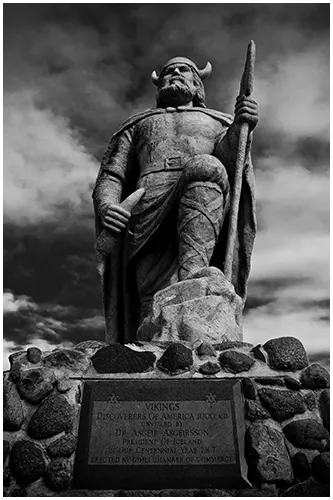

Black and white photography techniques have a unique way of turning everyday moments into timeless images. What makes black and white photos so striking? Without colour to distract, the focus shifts to light, shadows, and emotion, creating photos that feel dramatic, moody, and full of depth.
In this post, we’ll explore some tips, from capturing the perfect B&W to editing for maximum impact. You’ll learn how to play with contrast, choose the right settings, and avoid common mistakes.
Ready to make your monochrome photos stand out? Let’s dive in!
Black and white photography has a timeless charm. It turns ordinary scenes into striking masterpieces. To master this art, you need to know a few key tips.
A great black and white photo focuses on composition, contrast, and emotion. Without colour, we connect more deeply with the scene. Remember these tips when taking your photos:
Texture in black and white photos 0adds drama to your scene. It turns something flat into something with lots of drama. Here’s how different textures bring life to your photos:
By playing with these quirks, you can improve your black and white photography skills. You’ll create images that linger in the mind of anyone who sees them.

Looking to stretch your budget? We’ve got good news! Use the SPECIAL code whosaid15 for an extra 5% off
Changing pictures to black and white isn’t just about losing colour; it’s about adding drama and feeling. Mastering this can make your photos pack a punch.
There are many ways to ditch the colour, but here’s the lowdown on the go-to tools for shooting in colour or converting to shades of gray:
Each gadget has its own perks, so pick the one that clicks with your style and skills.
Are you considering diving into the realm of black and white photography? It’s akin to entering a realm where colour becomes insignificant and the focus is solely on your interpretation of the subject.
So, let’s get those grey cells working and explore what you need to keep in mind for those wow-worthy clicks.
Think of tonal contrast as the heartbeat of your black and white pictures. Without it, your shots might flatline, nobody wants that.
| Contrast Level | Description | Effect |
|---|---|---|
| Low contrast | Little difference between lights and darks | Soft, dreamy vibe |
| Medium contrast | Tones are just right, not too harsh | Balanced and pleasing |
| High contrast | Bold differences, like night and day | Intense and striking |
Tinker with your camera settings and adjust your frame so light and shadow play nice together.
...Bob
Dynamic range is your camera’s ability to see details in both the lightest and darkest parts of a photo. It’s like having super sight, allowing you to capture details that are often missed by the human eye. A picture with good dynamic range shows every tiny detail in shadows and highlights, which is a must-have for killer black and white shots:
Fine-tune your camera settings to fit the vibe of the scene. Please review the histogram on your camera to ensure that the highlights are not overexposed and the dramatic elements are preserved.
Using lights and darks is like adding spices to your cooking, it makes things interesting. These opposing elements can create drama, focus, and guide your viewer’s eye:
Play around with the dance of light and dark in your photos. See how they combine to set the tone, and tweak your shots to convey emotion and direct attention just like you want.
Choosing the right settings for B&W can make a big difference. It can turn your shots from “meh” to “wow.” Here’s what you need to know about ISO, shutter speed, and aperture.
ISO controls how much light your camera takes in. The right ISO is key to getting the right brightness without noise in your photos.
| ISO Settings | Light Sensitivity | Best For |
|---|---|---|
| 100 | Low | Sunny afternoons, great outdoors |
| 200 | Medium light | A touch cloud, think early evening or morning strolls |
| 400 | Medium | Indoors, not-so-bright days (camera, not you. 😜 ) |
| 800 | High | Casting shadows in evening hours or dim rooms |
| 1600 | Very high | Nearly dark, expect some graininess here |
Keep your ISO low to avoid noise and make your B&W photos clear.
...Bob
Shutter speed controls how long light hits your camera’s sensor. It’s crucial for capturing fast movements or keeping still life sharp.
| Shutter Speed | Effects on Image | Best For |
|---|---|---|
| 1/1000 | Freeze action like a pro | High-speed chases, sporting events |
| 1/250 | Solid middle ground | Everyday photos where not much is moving |
| 1/60 | A smidge of blur | Slow-moving objects or when the vibe is chill |
| 1/30 and slower | Dreamy blurs everywhere | Artsy effects, super-long takes |
Experiment with shutter speeds to see how they change your shots, especially when using a digital camera. This is great for creating striking contrasts in black and white.
...Bob
Aperture is the size of the camera’s light hole. It affects how sharp or blurry your background is. Choosing the right aperture can highlight your subject or capture everything in focus.
| Aperture (F-Stops) | Depth of Field | Best For |
|---|---|---|
| F/1.8 | Shallow | Snazzy portraits, fuzzy backdrops, perfect for creating a striking monochrome image. |
| F/4 | Moderate | Scenic views, slight blur behind your star |
| F/8 | Deep | All-encompassing landscapes, getting every little detail |
| F/16+ | Very deep | Supremely detailed areas, but you’ll need more light |
The aperture you choose is like your artistic thumbprint, influencing the tonality of your images. It decides how your photo tells its story. Figuring out ISO, shutter speed, and aperture can unlock powerful black and white photography that speaks your creative language.
...Bob
Editing can really make your black and white photos pop. You’ve got a toolbox of techniques to tweak contrast, nudge tones, and tease out details. Let’s walk through some basics for souping up your monochrome masterpieces using popular software.
Photoshop is a powerhouse for jazzing up black and white photos, giving them the look of classic B&W film. Here are some tricks to try:
colour filters can really revamp how your black and white images look when you edit them. Here’s how each one works its magic:

No one likes a boring photo. To keep your shots from looking lifeless, jazz up the contrast. Contrast is your best friend here. It brings out the pops, the pizzazz, and the depth in your pics, turning them from yawn-inducing to eye-catching. Here are a few pointers:
Steering clear of rookie moves is vital for top-notch black and white photography. Check out these big-time no-nos:
Nailing the composition is essential. It’s what makes a good photo pop! Here’s how to make those black and white images shine:
Skip these hiccups, amp up your techniques, and watch your black and white photos transform from “meh” to wow-worthy. Go out there and let your pictures do the talking!
So, here you are. You’ve made it through the labyrinth of knowledge we’ve shared. It’s like you’ve been on a roller coaster ride, minus the screaming kid next to you and the overpriced photo at the end, especially when captured by a skilled photographer. You’ve picked up some nifty nuggets of wisdom along the way that can genuinely help out.

Black-and-white photography represents a monochromatic art form that highlights contrast, texture, and composition by removing colour. It produces timeless, dramatic images that concentrate on light, shadows, and emotional depth, rendering subjects more striking and evocative.
What is the rule of black and white photography? Focusing on contrast, textures, and composition is crucial since black and white photography eliminates colour. Strong lighting, sharp shadows, and clear tonal ranges create striking monochrome images. Always shoot in RAW for editing flexibility and emphasize shapes/patterns for maximum impact.
Did you know that more than 70% of photographers believe that editing software is essential
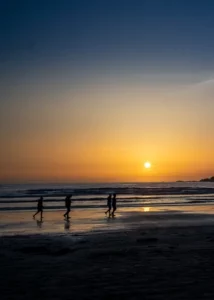
Long Beach is one of those places I keep coming back to, even when I
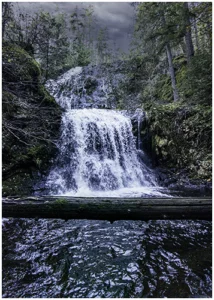
I still remember the first time I headed out to photograph waterfalls. The long hike