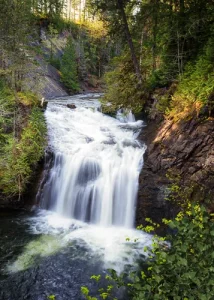
Stokes Creek Falls in Port Alberni: Trail Guide & Directions
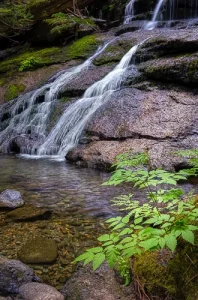
Some places are easy to miss, even when you know the area well. Stokes Creek

Grand Opening & Black Friday Sale = 50% Off
Imagine being in a rain forest, surrounded by the sweet smells of flowers. As you get close to capturing their beauty, you realize how often we miss the small wonders around us. Macro photography of forest flora takes you on a journey to see the details of petals, the softness of textures, and the bright colours.
This art form opens your eyes to a world full of life we often miss. Using your macro lens, every photo is a moment of connection with the small world not normally seen. It’s not just taking pictures; it’s telling a story of fragility, and the essence of life in the tiny world in nature.
Macro photography opens up a mesmerizing world of tiny details, from delicate flower petals to intricate insect textures. But to capture these minute subjects with precision, you need the right gear. Whether you’re a beginner or a seasoned photographer, investing in specialized equipment—such as macro lenses, tripods, and accessories—will elevate your close-up shots.
The foundation of macro photography is a high-quality macro lens. A true macro lens provides a 1:1 magnification ratio, meaning your subject appears life-sized on the camera sensor.
Focal Length Matters:
I prefer a focal length of 100mm or more, which is ideal for capturing skittish insects and delicate flowers. Favourite lens - Sigma 150mm Macro F2.8
...Bob
Even the slightest movement can ruin a macro shot. A robust tripod is essential for:
Pro Tip: Pair your tripod with a remote shutter release to prevent vibrations when pressing the shutter button.
| Accessories | Use Case |
|---|---|
| Diffuser | Soften midday shadows |
| Reflector | Brighten shaded blooms |
| Polarizer | Cut reflections, adds saturation |
The art of composition in macro photography is imperative to show off the details and force emotions. Using natural light is helps, as it brings out colours and textures. Finding special angles can make a simple shot into something that grabs your viewers attention.
Good composition is essential in any type of photography not just macro. Think about where your subject is in the frame. Use leading lines and the rule of thirds to guide the viewers eye, adding depth and interest. Furthermore, think about the background and foreground, as they both add to your photo in the context of nature photography. Shooting at eye level often gives captivating shots that pull the viewer in.
Natural light is a game-changer. Soft, even light from overcast skies is ideal for avoiding harsh shadows in nature photography. The golden hour, just after sunrise or before sunset, adds warm tones that make flowers pop. Play with light direction and quality to get the best results.
Looking for unique angles can show off your subject in new ways. Try shooting from below or looking up at the flower for dynamic shots. Move around your subject to find angles that highlight its features.
Each new angle can lead to unique and captivating photos, making your collection special in nature photography.
To improve your macro flower photos, you need to use certain techniques. These methods can greatly change how your images look. They help show the beauty of flowers in unique ways through different light.
Using a shallow depth of field is great for focusing on one flower. Set your camera to a wide aperture, like f/2.8. This creates a dreamy look that highlights the flower’s details.
This method makes your photos stand out. It isolates the flower, making it visually appealing.
Focus stacking is a technique that involves taking pictures of the same subject at different focus lengths. Then, merging these images into one.
This method captures every detail of a flower. It’s perfect when the depth of field is limited. It ensures the important details are sharp and clear.
Diffuse lighting is crucial for enhancing your macro photos. Soft, warm light during the golden hours highlights flowers’ textures and colours. It prevents harsh shadows and reflections, creating a soft glow.
This technique makes the flower’s glossy surfaces shine. It adds to the overall beauty of the image.
Editing macro photos makes your floral work pop with bright details and colours. Adobe Lightroom and Photoshop give you tools to enhance your images, making them stand out. Lightroom lets you tweak exposure, contrast, and colour balance. Photoshop helps with local adjustments, keeping your photos feeling real.
Lightroom is easy to use for refining macro images. Auto settings often need just small tweaks. The Radial Gradient tool is great for making spot adjustments on flowers.
It’s important to keep colours true to life. So, don’t overdo vibrance and saturation, keeping them under +10.
Photoshop gives you detailed control over your edits. Focus stacking can make your images sharper, needing multiple shots. Tools like On1 or Luminar Neo can help with this.
Reducing noise is key, even more so at high ISOs.
Editing can really change how your photos look. Even small tweaks can make a big difference. By trying different styles, you can show off the beauty of flowers in your own way.
It’s all about how you want your photos to feel, whether in macro or other types of photography. Do you like moody shots or bright ones? Editing is where you bring your vision to life.
Exploring macro photography can be very rewarding, thanks to the guidance of skilled photographers in the world of macro. Don Komareachki is one such artist known for his macro photos. He stresses the need for good composition and natural light.
Following his work can help you grow in the macro photography world.
As you dive into macro photography, learn from the community. Adam Gor has taken over 2,000 butterfly photos, and Christian Brockes captures spider details. Their unique views can spark your creativity.
Connecting with these artists expands your technique knowledge and builds a supportive network. Sharing a love for nature’s details can inspire your work and offer friendship and knowledge.
Looking through your lens reveals the tiny wonders of nature. You can practice in local parks or join macro photography workshops. Each time, you get better at capturing stunning images.
Macro photography demands patience and precision, but with the right gear, you can capture breathtaking details that often go unnoticed. Start with a solid macro lens, stabilize your setup with a tripod, and refine your shots with lighting accessories. Whether you’re exploring forest flora or documenting tiny critters, these tools will help you master the art of close-up photography.
Ready to dive into macro photography? Equip yourself wisely and start shooting the unseen beauty of the flora world
Olympus is good for macro due to its Micro Four Thirds system, which provides greater depth of field and magnification compared to larger sensors. Features like in-camera focus stacking and excellent image stabilization further enhance macro capabilities in a compact and lightweight system.
Is macro photography easy? While rewarding, macro photography presents challenges like shallow depth of field, focus precision, and subject movement. Achieving sharp, well-lit close-ups often requires patience, specialized equipment, and careful technique

Some places are easy to miss, even when you know the area well. Stokes Creek

As we get older, our colour vision changes, and the result affects our life, including
Trent River Falls is a short but rewarding hike just outside Courtenay on Vancouver Island.