Grand Opening & Black Friday Sale  =  50% Off 

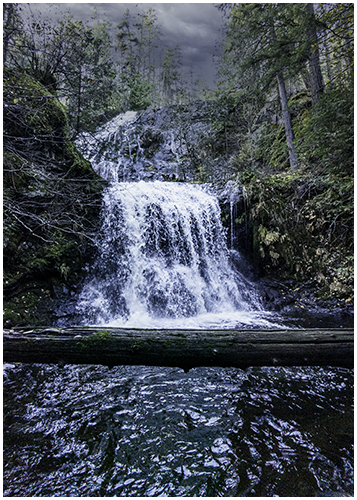
A photo capturing the power of waterfalls.
Down Arrow

How to Capture Waterfalls Droplets: Showing the Power 

I still remember the first time I headed out to photograph waterfalls. The long hike through the old-growth forest, hearing the sounds of rushing water filling the air. However, I hadn’t a clue of what the best setting would be to capture droplets in waterfalls.

Over time, I’ve learned that the secret lies in the right camera settings. Whether I’m looking to shoot silky water or showing the power by freezing the droplets.

In this guide, I’ll walk you through the techniques and settings I use to shoot waterfall photography. Together, we’ll explore how to fine-tune your camera to capture those magical water droplet.

Key Takeaways

  • Understand the role of shutter speed in capturing sharp water droplet images.
  • Learn how ISO settings affect your waterfall photography.
  • Utilize a tripod for maximum stability.
  • Discover the importance of filters.
  • Identifying the best weather conditions for optimal waterfall photography.
  • Experiment with settings to achieve stunning crisp waterfall splash images.
  • Explore techniques for capturing beautiful frozen water droplets.

Table of Contents

The Importance of Shutter Speed in Waterfall Photography

Understanding ISO and Its Impact on Water PhotographyISO can greatly affect your waterfall photos. A low ISO 100 or 200, makes your photos clearer, which makes for capturing the fine details of the water.
 
When it’s dark, you might need a higher ISO. But, be careful of noise in your photos. It can ruin the quality.
Try different ISO settings in different lights to see how they affect your landscape photography.
 
This helps you find the best ISO for your photos. Learning about ISO is crucial for great waterfall photos.

Understanding ISO and Its Impact on Water Photography

ISO settings greatly affect your waterfall photos. A low ISO, like 100 or 200, makes your photos clearer. This is key for capturing the fine details of water.

When it’s dark, you might need a higher ISO. But, be careful of noise in your photos. It can ruin the quality.

Try different ISO settings in different lights to see how they affect your landscape photography. This helps you find the best ISO for your photos. Learning about ISO is crucial for great waterfall photos.

Sharp and bright photos are more fun to share. They show off the beauty of waterfalls.

Freeze Water Droplets Waterfall Settings: Key Tips and Techniques

Capturing powerful waterfall photos means freezing water at times perfectly. This technique shows off the beauty and force of the water. Knowing the right shutter speeds and ISOs is essential for amazing shots, even in icy settings.

Recommended Shutter Speed Ranges for Different Waterfalls

For freezing the flow of the water, use shutter speeds of at least 1/250 of a second. For faster waterfalls, try 1/350 to 1/500 of a second to capture the power of the falls. At these speeds you’ll freeze the water and maintain a clear and sharp image.

Combining Shutter Speed with ISO Ratings

To get the best possible photos, you’re going to have to balance the camera’s shutter speed and ISO. Start with ISO 400 and 1/250 during the day. This combo keeps colours bright and details crisp. 

Looking to stretch your budget? We’ve got good news! Save an additional 10% use code bwild10

Utilizing a Tripod for Maximum Stability

A good tripod stops camera shake. This means your photos will be tack sharp. When picking a tripod, look for adjustable heights and a removable center column. 

These help you get shots from different angles. A solid tripod keeps your camera steady at all times.

Filters and Their Role in Capturing Crisp Water Droplets

Understanding the use of camera filters is absolutely essential for capturing better waterfall photos. The right filters helps you to capture clearer and more detailed photos, and at the same time reduce reflections in the rocks and blowing leaves.

Importance of Polarizing Filters

Polarizing filters cut down glare and reflections. They make the colours in your photos pop and more vibrant. For icy waterfalls, they show off frozen water droplets without shine.

Using Neutral Density Filters for Long Exposures

Neutral density filters are great for capturing long exposures. They block the light on those overly sunny days. Whether it’s a calm stream or a big waterfall, these filters help.

They make your photos richer with frozen water droplets.

Bob Wild Fine Art

Featured Gallery

Etosha National Park Giraffes

Starting at CA$39.00

Vancouver Island Waterfall Print

Starting at CA$39.00

Lower Myra Falls Vancouver Island

Starting at CA$39.00

Red Barn Building Farmers Field

Starting at CA$39.00

Best Weather Conditions for Waterfall Photography

Getting great waterfall photos often depends on the weather. Overcast skies or rainy days are perfect. Soft light, reduces harsh reflections and saturates the natural colours of the scene.

On rainy days, colours like green and blue stand out. Leaves look greener and water clearer. This phenomenon makes for striking photos of waterfalls.

Winter offers a special chance for waterfall photos. Cold weather turns waterfalls into icy wonders. The ice adds a unique look to your photos, showing water’s flow against frozen scenes.

Don’t miss out on the chance to capture nature’s beauty. Every season and weather brings something new. Look at it as a chance to be creative every time you’re out shooting.

A photo depicting the strength of a waterfall.

Winter Wonderland: Capturing Icy Waterfalls

Capturing waterfalls in winter offers a magical opportunity to freeze every droplet in stunning detail. The cold air sharpens the scene, making each splash and mist sparkle like crystal.

To achieve this effect, use a fast shutter speed typically 1/1000 sec or higher to stop motion and reveal the frozen beauty of individual water droplets. Pair it with a low ISO and wide aperture to maintain clarity and depth.

Early morning light works best, adding a cool, soft glow to your shot. With the right balance of exposure and timing, you can transform a rushing winter waterfall into a breathtaking display of frozen motion and natural artistry.

How to Capture Frozen Water Droplets Effectively

To capture frozen droplets well, use fast shutter speeds. This freezes each droplet against the flowing water. Aim for speeds of 1/250 to 1/1000 second.

Think about your shooting spot and view carefully. Watch how light hits the ice around the waterfall. Highlighting these details can make your photos stand out.

Don’t forget to show the beauty of snow-covered waterfalls. They add depth and interest to your photos, making them more appealing to any photographer.

Conclusion

Mastering the best settings to capture droplets in waterfalls takes patience and practice, but the results are worth it. From balancing shutter speed and ISO to choosing the right filters and light, every detail matters.

Each frozen droplet tells a story of motion, power, and beauty, a reminder of nature’s artistry waiting to be captured through your lens.

Frequently Asked Questions

A shutter speed of 1/1000 sec or faster is needed to freeze a waterfall. This fast speed stops the motion of falling water, capturing crisp details without motion blur.

 For silky water, use ISO 100, f/8–f/16 and slow shutter 1/4–2s with tripod and ND filter. To show the power of the falls water, use faster shutter 1/500–1/1000s and adjust ISO/aperture.

Our Latest Blogs