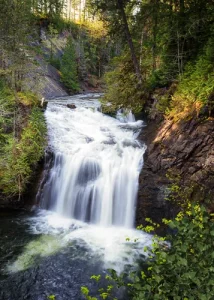
Stokes Creek Falls in Port Alberni: Trail Guide & Directions
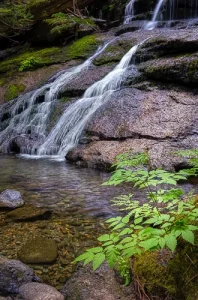
Some places are easy to miss, even when you know the area well. Stokes Creek

Grand Opening & Black Friday Sale = 50% Off
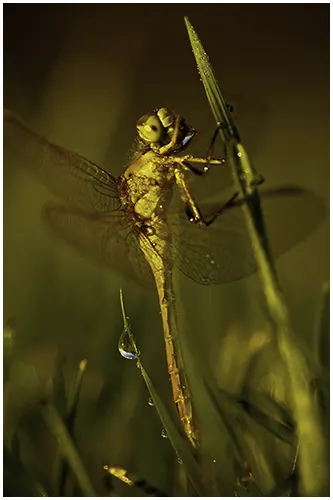
Imagine stepping into your garden just after dawn. The air is cool and still, with dew glistening like gems on the grass. As you look closely, you see a delicate butterfly or a beetle on a leaf.
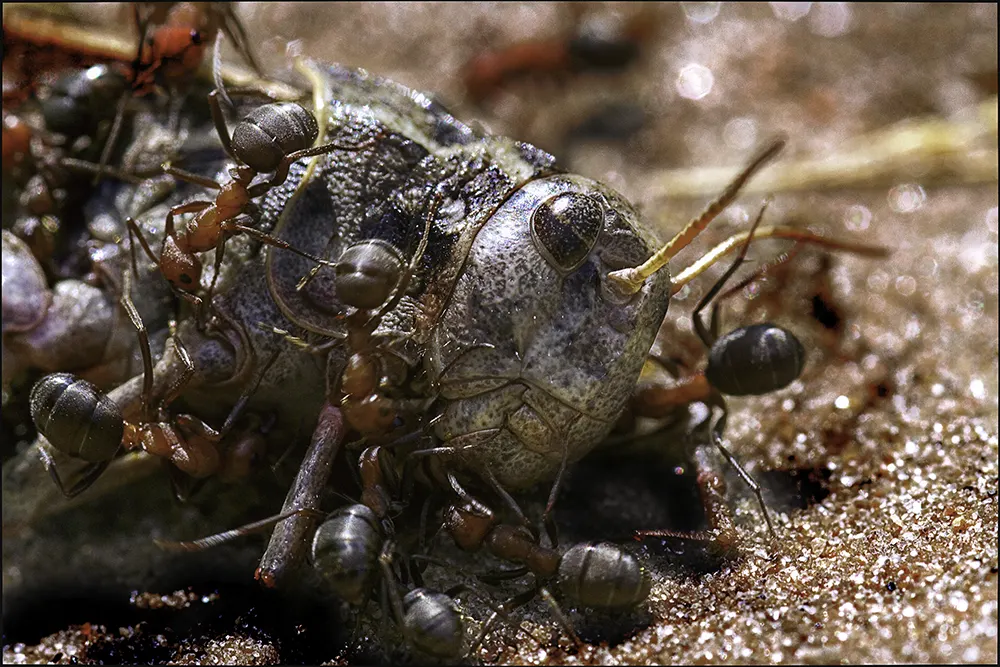
This world of insect macro photography lets you explore and capture the beauty of small creatures. You’ll notice details that often go unnoticed. To start this journey, you need the right equipment and techniques.
Macro lenses with focal lengths between 90mm and 150mm are perfect for stunning close-ups. You can choose a dedicated macro lenses or use extension tubes for a more affordable option. This way, you’ll discover a world that’s full of life and beauty.
To get stunning insect photos, you need to get up close. Early mornings are great for this. Insects are less active, giving you a better chance to get close-up shots.
The soft, warm light of the morning also brings out the colours of your subjects. This makes them pop even more.
A true macro lens with a 1:1 magnification ratio is optimal. It lets you capture insects at life size. I find a 100mm macro lens is often the best choice as it keeps you at a comfortable distance.
Approach insects slowly and quietly to increase your chances of getting a good shot. Watching their daily routines can also help you plan your photos. Some insects are less active at certain times.
A tripod is crucial for insect photography, as it helps with longer exposures. It keeps your camera steady, ensuring sharp images.
it also helps you avoid blur, making your photos tack sharp. It’s all about capturing the details without any shake.
Natural light is perfect for macro photography, but cloudy days are even better. The soft light reduces harsh shadows. Using a diffusers can also soften the light, making it more flattering for your insect subjects.
Try different lighting setups to see what works best for your macro images. It’s all about finding the right light to bring out the beauty of your subjects.
Looking to stretch your budget? We’ve got good news! Use the SPECIAL code whosaid15 for an extra 5% off
Getting the right camera settings is essential to capturing amazing insect photos. Aperture affects how much of your subject is sharp. Shutter speed is crucial for freezing insects in flight. And, ISO settings must be adjusted based on the light.
Due to the nature of macro photography your depth of field is very short. For the best sharpness, use an aperture of f/10 to f/18 for insect photos. F/10 is often the sweet spot for balance. In dim light, drop the aperture to f/8. For artificial light, try f/13 or f/16 to keep your subject sharp.
For fast insects, set your shutter speed to 1/800 sec to 1/600 sec in natural light. Use 1/250 sec with flash. These speeds freeze motion well. Burst mode is great for catching quick movements.
ISO settings impact your photo quality under different lights. For outdoor macro shots, ISO 400 to 800 is usually good. In dark places, you might need a higher ISO to avoid blur. Keep ISO low to preserve image quality, adjusting only when needed.
Capturing stunning macro images of insects requires LOTS of patience and skill. Knowing how different insects behave helps plan your shots. For example, shooting insects like butterflies and beetles have unique traits that affect your approach.
Timing is key. Early mornings are best for photography. Insects are less active, giving you a chance to take amazing photos.
When shooting specific insects, think about their habits and habitats. Butterflies often rest with closed wings in sunlight. The best times for macro photography are early mornings or after rain, when light is soft and insects are still.
Look for insects like bees collecting nectar or spiders weaving webs. These opportunities make for interesting photos.
Manual focus is often better for macro photography. Autofocus can struggle with the small depth of field in macro shots. Manual focus lets you make precise adjustments, for instance focusing on an insect’s large eyes.
Use live view mode to magnify details. This help you ensure your focus is sharp.
Using the viewfinder improves sharpness and composition. It helps you frame shots more steadily. A stable setup, like a tripod, reduces camera shake, making your photos sharper.
Details are important. Spend time getting your focus right.
The magic of macro photography is that it gives us a view of the world that we never normally see.
anonymous
Insect macro photography can be tough. It tests your skills and patience. Knowing these challenges helps you take amazing photos.
One big issue is managing movement, like when insects fly. To get sharp, moving shots, use fast shutter speeds. Also, try panning to follow the insect’s path while keeping it in focus.
Photographing flying insects means you need to be fast. You’ll have to change your settings often. This is because light changes and insects act unpredictably.
Practising these skills will help you catch those quick moments. It’s all about being ready for when insects move.
Clear images are what you are aiming for. Use a strong tripod or image stabilization for handheld shots. A remote shutter release can also reduce camera shake.
These tips will make your photos sharper. They’re crucial for capturing insects in their natural state.
Finding the right insects can be hard but is crucial. Learn about their homes and habits to know when to shoot. Knowing your bugs increases your photo chances.
This knowledge helps you overcome macro photography challenges.
Macro insect photography opens up a fascinating world of tiny details, allowing you to capture stunning close-ups of dragonflies, beetles, butterflies, and other small creatures. To get the best shots, use a dedicated macro lens (90mm–105mm is ideal) and shoot during early mornings or after rain when insects are less active.
Remember a tripod helps stabilize your camera, while settings like f/10–f/18 for aperture and 1/250 sec or faster for shutter speed ensure sharp, well-lit images.
Patience is key; observe your subjects, move slowly, and experiment with angles. Manual focus often works better than autofocus for precision. With practice, you’ll master the techniques needed to bring the hidden beauty of insects to life in your photos.
Best spots: gardens, forests, meadows, and wetlands. Look under leaves, on flowers, near water, or around decaying wood. Early morning or after rain is ideal. Stay quiet and patient. Butterfly houses or bug zoos offer easy, controlled setups for stunning close-ups
The best camera settings for insect photography: Use macro mode, a fast shutter speed (1/250s or faster), low aperture (f/2.8–f/8), and ISO 100–400 for clarity. Manual focus or autofocus with stabilization helps capture fine details. Adjust based on lighting and movement.

Some places are easy to miss, even when you know the area well. Stokes Creek

As we get older, our colour vision changes, and the result affects our life, including
Trent River Falls is a short but rewarding hike just outside Courtenay on Vancouver Island.