
Silhouette Photography Techniques, Simple Tips for Beginners
Silhouette photography techniques can turn an ordinary scene into something dramatic, letting the shadows hide
Grand Opening & Black Friday Sale = 50% Off


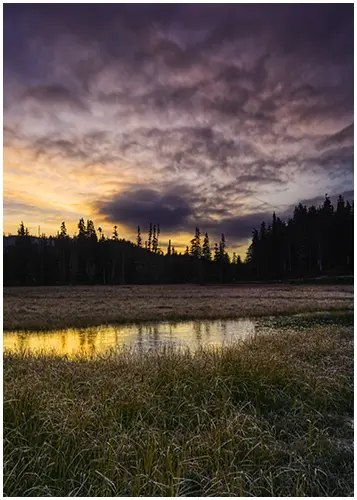

Strathcona Provincial Park is located in the centre of Vancouver Island. The park is home to stunning landscapes, diverse wildlife, and endless opportunities for outdoor adventure. Visitors can explore the lush forests, crystal-clear lakes, and towering mountains that make Strathcona Park a must-visit destination when visiting Vancouver Island.
The park is a paradise for photography enthusiasts, with endless opportunities to take stunning photos of the natural beauty that surrounds you. From the rugged coastline to the tranquil alpine meadows, Strathcona Provincial Park offers endless photo opportunities that will leave you in awe.
Strathcona Park is the largest provincial park on Vancouver Island, and it is a popular destination for outdoor adventures. Whether you enjoy hiking, camping, fishing, or simply exploring the great outdoors, the Park has something for everyone. With its diverse landscapes and abundance of wildlife, it’s easy to see why Strathcona Provincial Park is one number one parks on Vancouver Island.
In addition to its natural beauty, Strathcona Provincial Park is also home to a rich and cultural heritage. The park is named after Donald Alexander Smith, 1st Baron Strathcona and Mount Royal, a prominent Canadian businessman and politician. T
Overall, Strathcona Provincial Park is a true gem. Whether you’re looking to enjoy a peaceful hike through the forest, paddle on a serene lake, or simply relax and take in the stunning views, Strathcona Park has it all. So pack your bags, grab your camera, and head to Strathcona Provincial Park for an unforgettable outdoor adventure in the heart of Vancouver Island in British Columbia.

Strathcona Park’s rich and fascinating history dates back to the early 20th century. In 1911, the provincial government of British Columbia established the park, making it the oldest provincial park in the province. The park was named after the Viscount Strathcona and Mount Royal, a prominent Canadian businessman and politician who played a significant role in the development of the Canadian Pacific Railway.
A growing desire to safeguard the region’s natural beauty and biodiversity from the threat of logging and other industrial activities led to the creation of Strathcona Park. At the time, the area was known for its towering old-growth forests, pristine alpine lakes, and majestic mountains, which captured the imagination of outdoor enthusiasts and conservationists alike. The park’s designation as a protected area ensured that these natural wonders were preserved for future generations.
Over the years, Strathcona Park has played a vital role in the cultural and recreational life of Vancouver Island. It has become a hub for outdoor activities, attracting hikers, campers, and nature lovers from around the world. The park’s diverse ecosystems, including its ancient forests, subalpine meadows, and glacial-fed lakes, have also made it a popular destination for scientific research and environmental education.
The park, covers an area of approximately 1,620 square kilometres (625 square miles). It’s characterized by a diverse and rugged landscape, with towering mountains, deep valleys, and numerous lakes and rivers.
The Beaufort Range, a mountain range that runs along the eastern edge of the island, dominates the park’s geography. Mount Colonel Foster, the highest peak in the range and park, reaches an impressive elevation of 2,130 meters (6,988 feet). Other notable peaks in the park include Mount Albert Edward, Mount Septimus, and the Comox Glacier, which is one of the largest glaciers on Vancouver Island.
The climate is typical of the Pacific Northwest, with cool, wet summers and mild, wet winters. The park’s proximity to the Pacific Ocean and its high elevation create a unique microclimate that supports a rich and diverse array of plant and animal life. Precipitation levels in the park can be quite high, with annual rainfall ranging from 1,500 to 3,000 millimetres (59 to 118 inches) depending on the location.
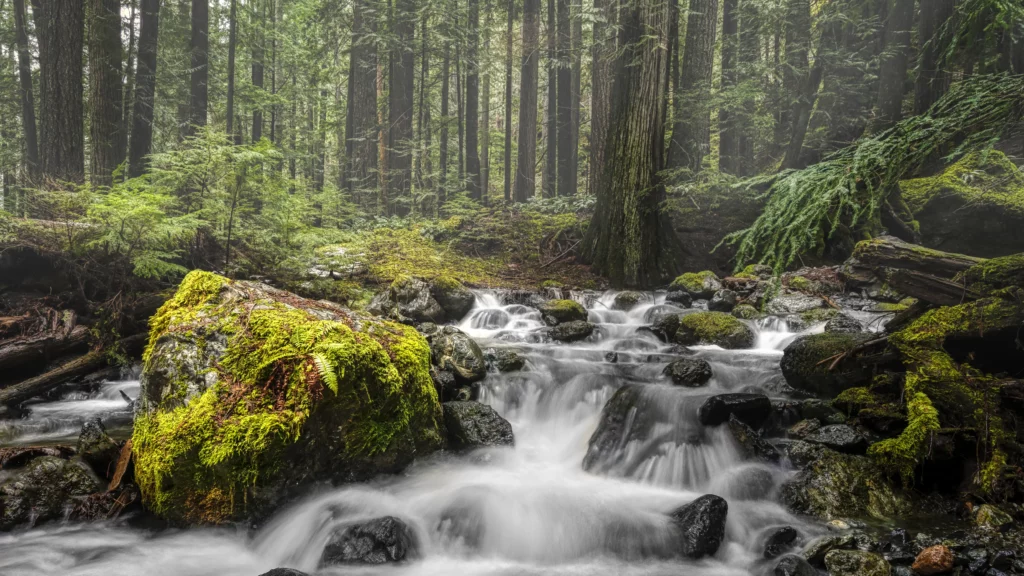
Strathcona Park is home to a remarkable diversity of plant and animal life, reflecting the park’s varied habitats and ecological zones. Towering Douglas fir, western red cedar, and western hemlock trees, some of which are hundreds of years old, dominate the park’s old-growth forests.
In the park’s subalpine and alpine zones, visitors can find a range of hardy, high-elevation plant species, including mountain heather, dwarf willows, and various species of wildflowers. We encourage visitors to stay on marked trails to minimize their impact on these delicate ecosystems, which are particularly sensitive to human disturbance.
The park’s diverse wildlife includes several species of large mammals, such as the Roosevelt elk, black bear, and cougar. The park also harbours smaller mammals like the Vancouver Island marmot, the hoary marmot, and the Vancouver Island ermine. The park’s numerous lakes and streams support a variety of fish species, including rainbow trout, cutthroat trout, and Dolly Varden char.
Strathcona Park is a hiker’s paradise, with an extensive network of trails that offer a range of difficulty levels and scenic experiences. One of the park’s most popular and challenging hikes is the Forbidden Plateau Trail, which takes hikers through a stunning Alpine landscape of meadows, lakes, and glaciers.
Another iconic trail in the park is the Della Falls Trail, which leads to the base of Della Falls, one of the highest waterfalls in North America. The hike to Della Falls is a challenging one with steep sections and several river crossings, but the reward of seeing the majestic waterfall is well worth the effort.
For those seeking a more leisurely hike, the Battleship Lake Trail offers a scenic loop around a picturesque alpine lake with stunning views of the surrounding mountains. The trail is relatively flat and well-maintained, making it a popular choice for families and casual hikers.
Strathcona Park offers a variety of camping and accommodation options for visitors, ranging from remote wilderness campsites to more developed campgrounds with basic amenities.
One of the most popular camping destinations in the park is the Buttle Lake Campground, which is located on the shores of Buttle Lake and offers simple access to several hiking trails with easy access to Lupin Falls. The campground has over 100 campsites, as well as picnic areas, drinking water, and flush toilets.
The park offers several backcountry campsites, accessible only by hiking or boating, for those seeking a more remote and wilderness-oriented camping experience. These campsites are typically located in scenic areas, such as along the shores of alpine lakes or in the heart of old-growth forests, and offer a true escape from the modern world.
Strathcona Park is a hub for a wide range of outdoor activities, drawing visitors from around the world to experience the park’s natural wonders.
Hiking is one of the most popular activities in the park, with a vast network of trails catering to hikers of all skill levels. From the challenging Forbidden Plateau Trail to the more leisurely Battleship Lake Loop, there are ample opportunities for visitors to explore the park’s diverse landscapes.
For those seeking a more aquatic experience, Strathcona Park offers excellent opportunities for kayaking and canoeing. The park’s numerous lakes, including Battleship Lake and Buttle Lake, provide calm and scenic waterways for paddlers to explore, with the chance to spot wildlife such as bald eagles, osprey, and even the occasional black bear.
It’s crucial to prepare for the park’s rugged and often unpredictable weather conditions when planning a visit. Visitors should pack warm, waterproof clothing and sturdy hiking boots, as well as be prepared for sudden changes in temperature and precipitation.
It’s also essential to plan ahead and reserve campsites or accommodations well in advance, as the park can be quite popular during the peak summer months. Visitors should also be aware of the park’s wildlife, particularly in areas where bears are known to frequent, and take appropriate precautions to avoid any potential conflicts.
Lastly, it’s important for visitors to respect the park’s delicate ecosystems and follow all posted regulations and guidelines. This includes staying on marked trails, disposing of waste properly, and leaving no trace of their presence. Visitors can help ensure that Strathcona Park remains a pristine and protected natural wonder for generations to come.
Choosing when to go to Strathcona Park can make your photos shine. Each season paints the park in a new light. Here’s what to expect:
Some of the hikes and trails close by, like Landslide Lake, might not be open in the winter. Always check the park’s website for the latest information.
For a winter paradise excursion, visit Mount Washington ski resort or go snowshoeing on the cross-country ski trails.
It’s weather can change fast, so it’s smart to be ready. Here’s how to prepare for the outdoors:
If you’re prepared, you’ll be ready for any outdoor adventure the park offers.
You should prepare clothing and gear for day hikes or multi-day treks to Landslide Lake.
Prepare well for your Strathcona adventure, and you’ll find countless photo opportunities and lasting memories on Vancouver Island.

Black Friday deals on now! Save up to 77% – Plus an additional 10% when you use code bwild10
It’s critical to use the Leave No Trace principles. This means if you take it in, please take it out when you leave. Also, your dog must be on a leash at all times.
Heads Up – Paradise meadows is on the verge of banning all dogs from this area of the park. There is a warning sign at the trail head. Before the area bans all dogs, please follow the rule.
Leave No Trace guides people toward lessening their environmental impact. It’s vital to follow these principles for Strathcona Park’s natural beauty.
Here are some key ways to apply Leave No Trace principles:
In Strathcona Park, capturing wildlife is rewarding. Remember these wildlife photography tips to get amazing and safe shots:
| Animal Species | Maintain a Safe Distance | Additonal Notes |
|---|---|---|
| Moose. | 50 meters or more, similar to the distances you might keep while hiking the Elk River Trail. | Avoid getting between a moose and its calf, as they can be protective. |
| Black Bears | 100 meters or more | If a bear approaches you, speak calmly and back away slowly. Do not run. |
| Bald Eagles | 100 meters or more | Respect their nesting areas and avoid disturbing them during breeding season. |
| Whiskey Jack | Crackers can be placed in your hands or on your hat. | I couldn't find anything indicating that it was illegal to feed them. |
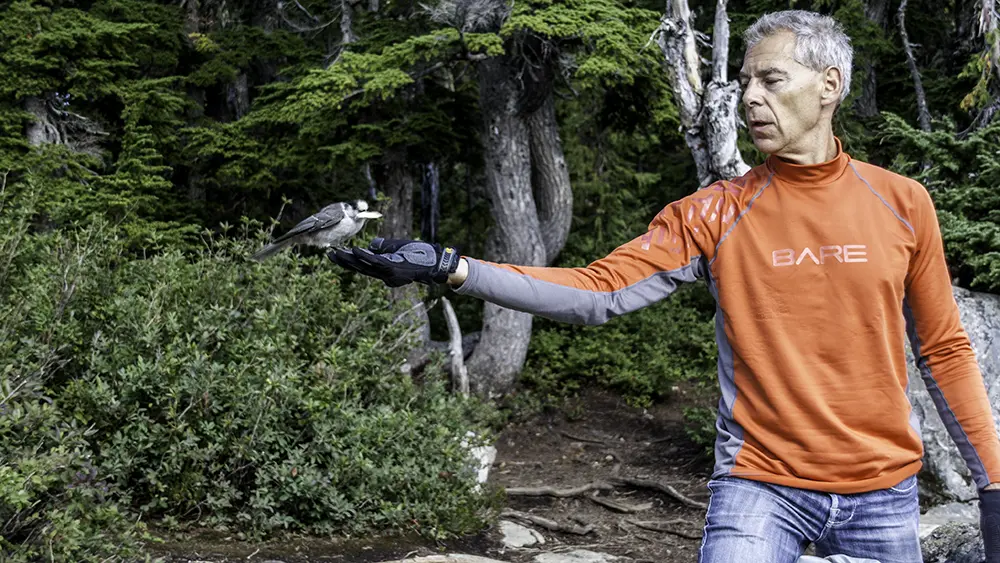
Wildlife photography is about respecting animals. By taking photos responsibly, we can help protect them and ensure the park is responsible for tourism. Let’s ensure we live in harmony with the wildlife.
Strathcona Park is a true gem of Vancouver Island, offering visitors a chance to immerse themselves in a breathtaking natural landscape that is unlike any other. From the park’s towering mountains and ancient forests to its pristine lakes and cascading waterfalls, there is something to captivate and inspire visitors of all ages and interests.
Whether you’re a seasoned hiker seeking a challenging adventure, a nature lover looking to observe the park’s diverse wildlife, or simply someone in search of a peaceful escape from the stresses of everyday life, Strathcona Park has something to offer. The park’s rich history, stunning geography, and well-preserved ecosystems make it a must-visit destination for anyone exploring the natural wonders of Vancouver Island.
So, what are you waiting for? Pack your bags, lace up your hiking boots, and get ready to embark on an unforgettable journey through the natural wonders of Strathcona Park. This hidden gem on Vancouver Island is sure to leave a lasting impression and create memories that will stay with you for a lifetime.
Strathcona Park is perfect for photographers keen on wild, untouched places. Your lens is ready to capture its natural beauty. Showcaseing Vancouver Island's wild side in its best light.
Anonymous
Strathcona Park has many top campsites. Buttle Lake Campground and Ralph River Campground are favorites. They provide beautiful lake views, hiking, and clean lodging options.
Yes, there are spots for RVs in the park. Buttle Lake and Ralph River Campground are great picks. They have locations where you can hook up your RV for a more comfortable stay.
If you’re up for adventure, Strathcona Park has backcountry camping. You can hike to far-off areas and camp in the wild. Just be sure to get a permit and know the rules for a safe trip.
Meeting wildlife can be exciting. Always watch from a safe distance, and keep your food and trash secure. This way, you help keep both you and the animals safe. Follow the park’s rules to live well with nature.
Silhouette photography techniques can turn an ordinary scene into something dramatic, letting the shadows hide
Are you tired of noise or grain messing up your photos? ON1 NoNoise AI could
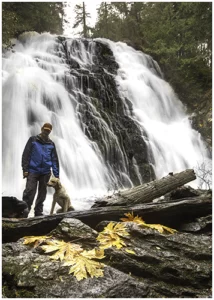
Every time I get ready to photograph a waterfall, I feel a rush of excitement.