Grand Opening & Black Friday Sale  =  50% Off 

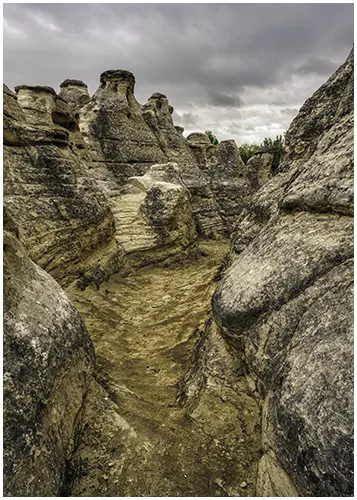
Example of balance and rhythm in photography
Down Arrow

Balance and Rhythm in Photography: More Photography Composition

Did you know 94% of photographers believe the rule of thirds is key for good composition? This fact shows how important balance and rhythm are in making outstanding photos. 

I believe that learning about composition is key to getting better at photography. Knowing about visual flow and photography rules helps you capture photos that really connect with people. 

Who is this guide for? Regardless of your level of experience, this guide caters to everyone. You’ll get tools to improve your photos.

Key Takeaways

  • Understand the power of symmetrical and asymmetrical balance in photography .
  • Learn to apply the rule of thirds for compelling compositions.
  • Explore colour and tonal balances to create visual harmony.
  • Discover how to use leading lines and negative space effectively.
  • Master the art of creating movement and rhythm in still images to enhance your photography skills.
  • Develop skills to evoke emotion through thoughtful composition.

Prefer Listening? Click To Tune Into the Audio Version Here!

Table of Contents

Understanding visual flow in photographic composition

Visual flow is key to making photos stand out. It leads the viewer’s eyes, making the image engaging. Let’s dive into how it shapes photos and adds movement.

Defining visual flow and movement

Visual flow is the path our eyes follow in a photo. We create it by strategically placing elements within the frame. Technique is crucial for achieving visually appealing photographs. Leading lines and patterns guide our eyes, creating the illusion of movement in still photos.

Eye movements play a crucial role in photography.

Knowing how our eyes move in photos is crucial. Contrast and direction help control this movement. By using these, photographers can highlight key parts, making the photo more interesting.

Creating dynamic elements through flow

Dynamic elements make photos come alive. They can be achieved through:

  • Diagonal lines for energy and movement
  • The design incorporates curved shapes to create a softer, more organic flow.
  • The repetition of shapes or colours creates a type of rhythm.
  • Use negative space strategically to draw attention.

Mastering these techniques will make your photos more engaging. Remember, visual flow is a key element of art and turns a simple photo into an exciting journey.

Balance and rhythm in photography: Core principles

Balance in photography is key to making images look great. When you get skilled at it, your photos will draw people in. Let’s explore balance types and how to use them.

Types of balance in photography

Photographers employ three primary methods of balance:

  • Radial balance
  • Symmetrical balance
  • Asymmetrical balance

Each type helps distribute visual weight in your photos. This affects how people see your images.

Understanding symmetrical vs. asymmetrical balance

Symmetrical composition makes images look like mirrors. It’s ideal for formal scenes. Asymmetrical balance, however, uses contrasts for balance. It makes photos more dynamic and interesting.

Visual weight distribution techniques

To master balance, try these techniques:

TechniqueEffect
ColourThis technique draws attention to specific areas within the composition.
Size variationLarge objects carry more visual weight.
PositioningOff-centered topics create tension.
TextureAdds depth and interest to images

Using these principles, you'll make photos that capture your viewers' attention. Balance doesn't always mean symmetry. Try different techniques to find what works for you.

Looking to stretch your budget? We’ve got good news! Save an additional 10% use code bwild10

Mastering rhythm patterns in photography

Rhythm patterns, created through repeated elements, are key to making photos stand out. They help you create images that grab attention and stir emotions. By using different rhythms, you can improve your photos and connect with your audience.

Regular and progressive rhythm

Regular rhythm means repeating things at the same pace. It brings a sense of calm to your photos. Think of shots with evenly spaced windows or columns.

Progressive rhythm, however, shows changes in patterns that involve alternation. It’s like a line of trees getting taller. 

Random and alternating rhythm

Random rhythm brings a touch of surprise to your photos. It’s common in nature, like forest floors or scattered leaves. Conversely, alternating rhythm incorporates a variety of elements into a pattern. Imagine a beach with light and dark stones.

Creating undulating visual patterns

Your photos will feel smooth and flowing due to the undulating patterns. Look for curves and waves around you. Water ripples, sand dunes, or hills can add beauty to your shots.

Remember, mixing highs and lows keeps your photos interesting. It keeps the viewer engaged.

Rhythm TypeDescriptionExample
Regular Constant repetitionEvenly spaced objects
Progressive Gradual change in patterns Trees are growing taller in a line.
RandomSpontaneous arrangementScattered leaves on the ground.
AlternatingInterchanging elementsLight and dark stones on the beach

Learning these rhythm patterns will make your photos more lively and engaging. Your viewers will follow your photo's journey.

Harmonious design elements in photography

Harmonious design in photography composition combines visual elements to create stunning images. Photographers mix lines, shapes, colours, and textures to create cohesive pictures. The goal is to keep it simple and clear, so each element stands out while fitting together.

Colour is key to harmonious design. Using colours like blue and gold in landscapes creates a pleasing effect. The right colours can make your photos feel calm or exciting, contributing to the overall balance and harmony. It’s all about the colour mix.

Getting the balance right is important. If one thing is too big, the photo feels wrong. You can adjust the setup, lens, or where you stand to balance it. Also, think about how shapes work together. Similar shapes bring harmony, while different ones add contrast.

Design ElementsImpact on HarmonyTips for Implementation
Colour Set mood, create balanceUse complementary or analogous colours.
Visual WeightEnsure balanced compositionAdjust positioning and focal length.
ShapesPromotes unity or contrastMix similar shapes for harmony and use different shapes for tension.
TextureAdds depth and interestCombine smooth and rough textures thoughtfully within the composition.

To get harmony, look at how subjects relate to each other and their setting. Make sure they tell a story together. By understanding these principles of design, you'll make photos that grab attention and hold it.

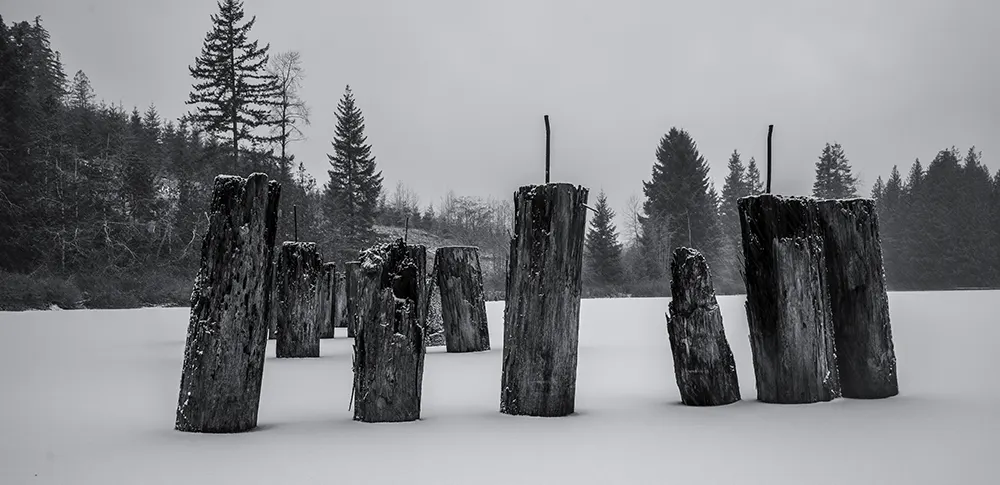
example of balance and rhythm in photography

The power of repetition and pattern

Repetition in photography is a strong tool for creating stunning visuals. It guides the viewer’s eyes and stirs emotions. Pattern photography goes further, using shapes, natural patterns, and textures to make compelling images.

Natural vs. artificial patterns

Nature is full of patterns that often exhibit an undulating rhythm. Think of seashell spirals or flower petals’ symmetry. These patterns bring calm. On the other hand, man-made patterns in buildings or designs add order and precision to your photos.

Using repetition for visual impact.

To use repetition well, focus on similar objects or shapes. This can make your photos stand out. Try using reflections on water or glass to add depth and interest.

Breaking patterns intentionally

Breaking patterns can add mystery to your photos. Introduce something that disrupts the pattern to create a focal point. This “pattern interrupt” can make your photos unforgettable.

Pattern TypeDescriptionVisual Impact
GeometricLines, squares, and circles create rhythm within the composition.Balance and symmetry
NaturalOrganic repetitionsHarmony and tranquilly
TextureRepeated surface qualitiesTactile sensation
RhythmSequential repetitions can create a sense of rhythm within the composition.Flow and continuity are essential principles of design in photography composition.

The key is to experiment and find unique ways to use repetition and patterns.d it.

Conclusion: Creating movement in still images.

Capturing movement in photography is an art that brings still images to life. You can create dynamic photography through various techniques that imply motion and energy. By mastering these methods, your photos will captivate viewers and tell compelling visual stories.

Motion blur is a wonderful way to show movement in photos. Using slower shutter speeds captures the flow of moving subjects. This creates a sense of implied motion. Panning is another technique that creates rhythm by following a moving subject with your camera, keeping it in focus while blurring the background. This method works well for sports or wildlife photography, adding excitement to your shots.

Leading lines and compositional elements guide the viewer’s eye through the image, creating a sense of movement. Incorporating diagonal lines or curves can add dynamism to your photos. Remember, rhythm and balance are essential in creating movement in still images. Nature often provides intrinsic rhythms that you can use to craft photographic masterpieces.

Experimenting with different lenses can also enhance the perception of motion in your images. Wide-angle lenses can exaggerate perspective, while specialty lenses like Lensbaby can create unique blur effects. Don’t be afraid to play with shutter speeds and ISO settings to achieve the desired blur and movement in your photographs, which will enhance the main subject. With practice, you’ll master the art of bringing motion to life in your still images.

Frequently Asked Questions

To capture rhythm in photography, use repeating elements, patterns, or movements to create visual flow. Shoot multiple subjects with similar shapes, spacing, or colours, and experiment with different angles and compositions to emphasize the recurring visual elements.

Balanced rhythm is a repeating pattern of sound, movement, or design that creates a sense of harmony and stability. Equitable spacing or distribution of elements creates a predictable flow that is both natural and pleasing to the senses.

Our Latest Blogs