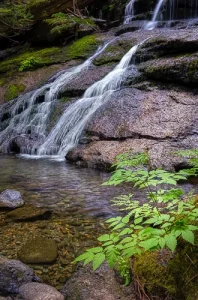
Stokes Creek Falls in Port Alberni: Trail Guide & Directions
Some places are easy to miss, even when you know the area well. Stokes Creek
Grand Opening & Black Friday Sale = 50% Off


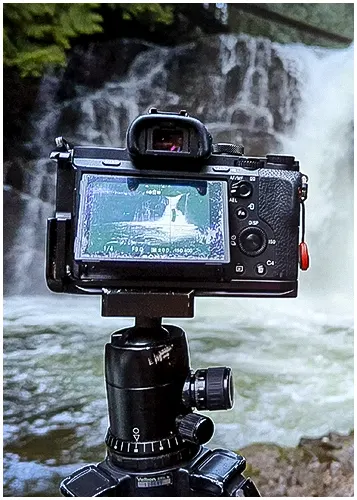

If you’re venturing into the woods with the goal of capturing the untouched beauty of nature, it’s crucial to have a camera that can handle the subtleties of light filtering through the trees and the richness of a forest’s palette.
The right camera is like a trusted sidekick, patiently waiting to freeze a moment in time with the press of a button. Here’s a concise summary of the key takeaways from the article on cameras for forest photography:
Finding the perfect balance between cost and quality when choosing a camera for forest photography can be challenging.
Fortunately, the market offers a range of options that cater to both financial constraints and the need for high performance. When balancing your budget against the desired features, think about image resolution, low-light performance, and autofocus speed; prioritize those that enhance your ability to capture the nuances of the forest.
A high price tag doesn’t always equate to the best choice for woodland images; sometimes a mid-range camera with a robust build and a powerful lens can outperform a pricier model in the natural environment.
The Nikon Z9, leading the way in autofocus innovation, meticulously captures even the most fleeting moments in the forest. The list of best cameras for forest shots places it at the top.
First, the Z9 boasts a staggering 493 autofocus points, promising edge-to-edge sharpness. Furthermore, the Z9 boasts an almost infinite buffer depth, enabling you to capture up to 1000 RAW or JPEG frames at 20 frames per second, ensuring you capture every subtle movement with precision.
Top 5 Features of this Professional Camera:
Five Benefits:
Two Cons:
Best For: The Nikon Z9 is ideal for serious wildlife and nature photographers who demand the utmost from their cameras. It’s a powerhouse capable of tackling any challenge that the woods can throw at it, as long as they’re prepared for the investment and to bear a little extra weight in their pack.
The Canon EOS R5 represents a masterful combination of high resolution and swift performance, making it a formidable tool for forest photography enthusiasts. Capturing the essence of the forest requires a camera that not only accurately records every detail but also keeps pace with the unpredictable nature of wildlife—and the EOS R5 does not disappoint.
The 45MP full-frame sensor captures images rich in detail, making them ideal for professional printing and cropping. Plus, its speed is commendable, with a burst rate of up to 20 frames per second, ensuring that even the swiftest deer darting through the trees won’t escape your lens.
Top 5 Features: This camera is a top choice for both photographing and shooting video in various environments.
Five Benefits:
Two Cons:
The Canon EOS R5 is an ideal choice for both professional and dedicated enthusiast photographers who aim to capture the intricate details of forest landscapes. Its resilience against adverse weather and speed makes it a trustworthy companion for demanding outdoor shoots.
Photographers seeking versatility in the forest canopy will find the Sony Alpha 1 to be an ideal choice. This camera is a technical marvel that excels across the board, from its astounding 50.1-megapixel full-frame sensor providing breathtaking detail to its rapid-fire shooting speed of up to 30 frames per second.
Whether the subject is a silent landscape or a sprinting squirrel, the Alpha 1’s top-tier autofocus, equipped with 759 phase-detection points, ensures critical sharpness where it counts. Beyond its still capabilities, the camera offers 8K video recording for that immersive forest ambience that truly appreciates motion.
Top 5 Features:
Five Benefits:
Two Cons:
The Sony Alpha 1 is the ideal tool for professional forest photographers and videographers who demand top-notch performance. Whether for stills or videos, its capabilities make it the right choice.


The Fujifilm X-T4 makes its mark on forest photography by expertly balancing high-resolution imaging with a compact, travel-friendly design. For those long hikes, where every ounce counts, this camera presents an enticing package.
The X-T4’s 26.1-megapixel APS-C sensor captures forest scenes with remarkable colour accuracy and detail. The X-T4’s in-body image stabilization equips it to handle the jostles and movements typical of handheld shooting in uneven terrain, ensuring sharp images and smooth videos with this bridge camera.
Top 5 Features:
Five Benefits:
Two Cons:
The Fujifilm X-T4 is an ideal choice for passionate nature photographers who want to travel light without sacrificing image quality.
Its sturdy construction and advanced features make it a reliable option for anyone from hobbyist hikers to seasoned experts aiming for precision and portability.

Download your free trial today!
The Panasonic Lumix G9 II is a gleaming gem in the Micro Four Thirds lineup, offering you superb agility and quality in a single package.
Despite its lightweight design, this camera does not sacrifice performance, particularly in the dense forest where maneuverability is crucial.
The camera’s new 25.2MP sensor captures the exuberance and detail of nature, and its high-speed 75fps shooting mode freezes even the swiftest wildlife in time.
With the added benefit of an expansive 779-point autofocus system, your subjects will emerge as clear focal points amidst the chaotic beauty of the forest.
Top 5 Features:
Five Benefits:
Two Cons:
Best For: The Panasonic Lumix G9 II is a fantastic choice for wildlife photographers who value compactness without compromising on cutting-edge features. If your photography sessions often include traversing varying terrains or if you simply enjoy a nimble, capable camera, the G9 II won’t disappoint.
The Olympus OM-1 Mark II (now under the OM System brand) is a standout choice for forest photography with its impressive blend of performance and portability.
Absolutely stacked with wildlife-friendly features, the OM-1 Mark II shines when it comes to capturing nature’s fleeting moments.
Despite not having the highest resolution on the market, its formidable 20MP Four Thirds sensor effectively doubles the focal length of your lens through its crop factor, all while maintaining a lightweight and weather-sealed body.
Top 5 Features:
Five Benefits:
Two Cons:
Best For: The Olympus OM-1 Mark II is an excellent choice for wildlife photographers searching for a versatile, durable camera system that won’t weigh them down. It’s particularly suited for bird photographers who need a high-performance tool to capture the essence of these agile creatures.

The Canon EOS R10 bursts onto the scene as a formidable ally for those beginning their journey into forest photography.
Having an advanced autofocus system and high-speed performance, the EOS R10 ensures that even beginners will snap dynamic and sharp images of woodland creatures and landscapes.
Its compact design, which prioritizes essential features such as a high-resolution sensor, a user-friendly interface, and 4K video capabilities, makes it an uncompromising travel companion.
Top 5 Features:
Five Benefits:
Two Cons:
Best For: The Canon EOS R10 is especially well-suited for newcomers eager to explore the realm of forest photography. It provides a robust set of features to ensure success right from the start, without overwhelming beginners with complexity or a high price tag, making it a fantastic compact camera choice.
The Nikon D7500 is a durable and reliable DSLR that stands as an enticing choice for budding photography enthusiasts ready to delve into the natural realm of forest photography.
Even after its launch a few years ago, the Nikon D7500 continues to hold its appeal, particularly for individuals seeking a robust camera that strikes a balance between advanced features and user-friendliness.
With a commendable 20.9MP sensor, the D7500 provides generous image quality, and its solid noise control is an asset in the varied lighting conditions under the forest canopy, making it a top choice among digital cameras.
Top 5 Features:
Five Benefits:
Two Cons:
We recommend the Nikon D7500 to novice photographers who seek a camera that provides a strong foundation in forest photography without overwhelming them with professional-level complexity. It’s also an excellent choice for those who prefer the traditional feel and reliability of a DSLR.

Looking to stretch your budget? We’ve got good news! Save an additional 10% use code bwild10
When you’re threading your way through the forest, camera sensor size becomes a key player in the quality of your captured images. Why’s that, you may wonder?
Well, larger sensors excel in their ability to soak up more light and detail, an attribute that’s particularly beneficial in the diffuse lighting of a forest environment.
Full-frame sensors, like those found in heavy hitters such as the Nikon Z9 or the Canon EOS R5, typically outclass their smaller counterparts in producing images with finer detail, greater sharpness, and more freedom to crop without significant loss of quality.
However, not everyone needs or wants the heft and expense that can come with full-frame cameras. Crop sensors, such as those used in the Fujifilm X-T4 and the Olympus OM-1 Mark II, offer a middle ground, still capturing excellent detail but often at a more appealing price and in a more compact form factor.
A larger sensor enables larger pixels, which is beneficial for reducing noise and improving low-light performance, particularly during dawn or dusk photography sessions in the woods.
Picture this: you’re deep in the forest, and the skies above promise an impromptu shower. If your camera’s equipped with quality weather seals, there’s no need to panic; these protections are your first defense against dust, moisture, and the wide range of temperatures that nature throws at you.
Weather sealing includes meticulous gaskets and seals on all the camera’s potential entry points, safeguarding its delicate internal components.
Shooting without this vital feature is akin to hiking without proper boots; you might manage at first, but you’re bound to run into trouble sooner or later.
Cameras such as the Nikon Z9 or the Sony Alpha 1 feature top-notch weather sealing, providing peace of mind so you can focus on crafting your shot, rain or shine. In the wild, a weather-sealed camera isn’t just a convenience; it’s an insurance policy that ensures your forest gear remains reliable season after season.
Finding the best camera for forest photography is all about balancing your personal needs with the right features. Whether you’re chasing wildlife or capturing serene moments in the forest, there’s a camera out there that fits your style, budget, and experience level.
Remember, the best tool is the one that inspires you to keep exploring and creating, whether it’s a compact or a high-end camera, regardless of its price tag or megapixels. As you embark on your forest adventures, focus on honing your skills, experimenting with different techniques, and enjoying the beauty around you.
Remember, photography is about the journey as much as the results!
The Canon EOS R10 is a strong choice for beginners in forest photography and serves as an excellent Micro Four Thirds camera option. Its combination of ease of use, reliable autofocus, and high-resolution sensor offers a welcoming introduction to capturing nature without being overwhelming. Plus, it’s relatively budget-friendly and lightweight for those long hikes in the woods.
Weather sealing is crucial for cameras used in forest environments. It offers protection against moisture, dust, and sudden weather changes, ensuring your gear remains functional and durable in the diverse conditions of a forest setting.
Yes, mirrorless cameras can match DSLRs for wildlife and forest photography, often excelling with faster autofocus, lighter bodies, and advanced video capabilities. Models like the Sony Alpha 1 bring high-speed shooting and superb image quality that rival top-tier DSLRs.
Some places are easy to miss, even when you know the area well. Stokes Creek
As we get older, our colour vision changes, and the result affects our life, including
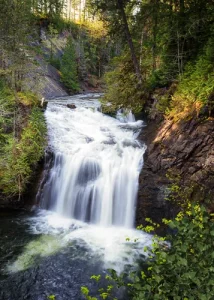
Trent River Falls is a short but rewarding hike just outside Courtenay on Vancouver Island.