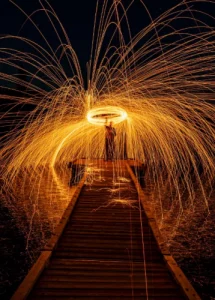
Spinning Fire: A Guide to Steel Wool Photography
I think steel wool photography creates some of the most amazing images you can capture
Share the Love This Valentine’s Day – 25% Off




Aspect ratio in photography helps shape 80% of the images we remember. This paves the way for telling stories through our photos. Like a painter and their canvas. Knowing how to select the correct aspect is crucial for anyone who enjoys photography. In reality, aspect ratio refers to how wide and tall your photos are. This affects how people connect with your pictures, emphasizing the importance of knowing which aspect ratio to use.
The aspect ratio determines how your content fits within a frame. Mastering the aspect ratio is crucial for achieving your visual results. This guide will teach you to use aspect ratios so you can make photos that are balanced and visually appealing.
Raising your camera to take a photo is more than just a click. It’s a choice that can turn a simple picture into a powerful story. One key choice is the image aspect ratio. This element is vital for the look and feel of your photograph.
The aspect ratio affects how photos look on prints, screens, and online. The ratios vary from 3:2 to 4:3 or 16:9. These ratios are commonly used for content and show the relationship between width and height. You decide how your photos fit within their frames. Knowing these ratios helps you tell stories within confined spaces.
Choosing the right aspect ratio is crucial for composition. It can focus attention, add drama, or create peace. To compose well, learn how different ratios affect your image. They can make or break what you want to tell.
Different digital image aspect ratios change how we see the same subject:
| Aspect Ratio | Effect on Composition | Best suited for |
|---|---|---|
| 1:1 (Square) | The centres are symmetrical and focused. | Social media, abstracts |
| 3:2 (Classic) | Balances detail and maintains tradition. | Used for portraits, landscapes, |
| 4:3 (Standard) | It provides more height and an intimate feel. | Art prints and product shots |
| 16:9 (Widescreen) | Expansive view, cinematic quality | Landscape panoramas, storytelling |
Download your free trial today!
Understanding the right aspect ratio is crucial for photographers. It’s as vital as polishing your photography skills. They influence your story’s visual impact. Let’s explore some key aspect ratios and their effects on photography.
The 3:2 aspect ratio is a favourite among photographers. It started with 35mm film and is still popular today with digital cameras. This popular aspect ratio is versatile, fitting many print sizes easily. When you capture a landscape or a portrait, the 3:2 ratio feels familiar. This helps in connecting with your audience.
The 1:1 ratio offers a different visual style compared to 3:2. It balances all sides of the frame equally, which is important in determining which aspect ratio to use. It draws the viewer’s eyes to the center. It’s perfect for emphasizing a single, strong subject. This common aspect ratio is popular on Instagram for its simplicity and impact. It works well for portraits, still life, and abstracts, focusing on the subject.
| Aspect Ratio | Description | Common Uses | Benefits |
|---|---|---|---|
| 3:2 | The classic 35mm film format is wider than it is tall. | Print publications, landscape, and portrait photography | Minimal cropping is a familiar choice for viewers and photographers. |
| 1:1 | These include social media posts, focused subjects, and abstract compositions. | These include social media posts, focused subjects, and abstract compositions. | It directs attention centrally and makes a strong visual impact. |
Choosing the right aspect ratio can be tricky at first. But with time, you’ll know which one fits your subject. It could be the traditional 3:2 ratio or the modern square frame. Remember, the aspect ratio is more than a technical choice. It’s a creative tool that enhances your image’s beauty.
Learn how to use aspect ratios in photography and digital content. The aspect ratio, the relationship between width and height separated by a colon, can significantly impact your image, whether taken with a medium-format camera or a smartphone.
For social media, choosing the right aspect ratio to fit the platform is vital. A different ratio can change how your image looks, impacting how people interact with it. Knowing about aspect ratios for platforms like Instagram, Facebook, or Pinterest helps.
Here are some tips for photo optimization:
Smartphone photography has changed how we capture moments. This trend highlights the preferred format for making the most of a smartphone’s camera. The standard ratio for mobile photos is usually 9:16.
Learning photography means adjusting the aspect ratio in post-processing. This skill can turn a good photo into something amazing. Whether you’re aiming for a standard aspect ratio or a unique one, software like Adobe Lightroom and Photoshop is key. These tools let you re-crop and compose your shots, boosting your artistic vision.
Changing the aspect ratio of an image means you’re tweaking its shape. You might be adjusting the original aspect ratio to fit a frame or style. Social media or print often require this adjustment. Tools like Lightroom and Photoshop simplify this. Don’t hesitate to experiment with different aspect ratios until you discover the perfect fit, especially if you’re new to this process.
Because not all photos fit standard frames, cropping may be necessary. Adjusting the aspect ratio keeps the photo’s essence and makes it fit for display. Use this table as a guide.
| Ratio | Description | Best Use |
|---|---|---|
| 1:1 | The square format offers a balanced look. | Instagram posts, profile pictures |
| 3:2/4x6 | It matches most DSLR and 35mm film camera outputs. | Standard prints and daily photography |
| 5x7 | Often used for portraits | Standard prints and daily photography |
| 16:9 | Widescreen format; cinematic | Landscape shots, banner images |
| 4:3 | The classic TV format offers a closer perspective to that of the human eye. | Portraits with a vintage look |

Exploring film photography and camera sensor sizes, you’ll see how different image ratios free your creativity. Stepping outside familiar aspect ratios opens up a new world for photographers. Experimenting with the format, aka the image’s width to height, brings new life to your creativity.
Panoramic images pull viewers into vast scenes, creating a strong sense of place in landscape photography. Choosing a 2:1 ratio is a creative decision, showcasing how photographers can manipulate dimensions to alter viewer perception. Even if your camera has limitations, adjusting the aspect ratio in editing can still create a panoramic effect.
Selecting the correct ratio helps tell your story visually. It influences how viewers see and feel about your work. The right ratio can suggest emotions or recall historical styles, demonstrating the intricate relationship between the width and height of an image. It’s key to guiding the viewer’s experience.
| Ratio | Description | Best used For |
|---|---|---|
| 1:1 | Square | Social media posts, portraits, and abstracts |
| 16:9 | Widescreen | Cinematic landscapes, expansive shots |
| 2:1 | Cinematic | The story features epic landscapes and a dramatic flair, often captured with a medium-format camera to enhance image quality. |
| 9:16 | Vertical | I create mobile content, Instagram Stories, and TikTok videos. |
Understanding aspect ratios and picking the right ratio to use is key.
Here are some things to think about before you press the shutter button.
Before taking the photo, deciding on the right aspect ratio is critical. Consider the story you want to tell. Is it a broad landscape or a zoomed-in detail? Before shooting, choose the aspect ratio to help you frame your shot. It’s important to decide if you will change the aspect ratio later or keep the original, as it gives you control over the look of your image.
Whether printing for a gallery or uploading to social media, each one might require a different aspect ratio. Think about where your picture will go when you frame it. This can save you from having to crop later, keeping your composition as you intended it.
Aspect ratio isn’t just a technical detail; it’s a creative tool that shapes the emotional impact and visual storytelling of your photographs. By understanding how different ratios influence composition and viewer perception, you can elevate your photos from snapshots to captivating narratives.
This guide has provided you with the knowledge necessary to:
With this newfound mastery of aspect ratio, you’re ready to unlock a world of creative possibilities in your photography. So go forth, experiment, and tell your visual stories with confidence!

Knowing about aspect ratios is key for any photographer. It affects the look and feel of your photos. Understanding it does more than just make things look good. It changes how people see your images and how they fit across different outlets, like print and online. Mastering aspect ratios lets you control your story and emotions through visuals, boosting your creativity and design choices.
Changing the aspect ratio affects your photo’s composition and the way the subjects relate. This adjustment can highlight your main subject or bring balance to your composition. It helps focus the viewer, create intense scenes, or match what your audience expects. Knowing how to change aspect ratio and composition is crucial for any photographer. It lets you reframe your work to better engage your audience.
I think steel wool photography creates some of the most amazing images you can capture
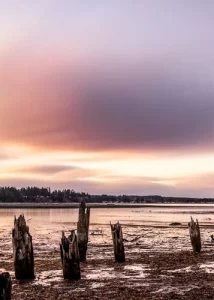
Long exposure photography is a technique that uses slow shutter speeds to capture silky smooth

The first time I went to the Medicine Bowls in Courtenay, it felt like a