Grand Opening & Black Friday Sale  =  50% Off 

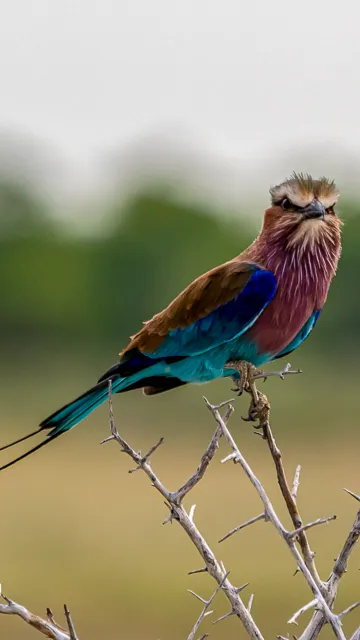
A Lilca Breasted Roller shot with a Micro four thirds for wildlife photography
Down Arrow

Why Use Micro Four Thirds for Wildlife Photography

Imagine you’re on an African safari with six other photographers. While travelling down the dirty, dusty road, a pride of lions meanders out of the bushes. Struggling to get that 20-pound camera and lens into position, you miss the shot of a mother lion and her cubs. This is where a Micro 4/3 camera for wildlife photography shines.

These camera systems are changing the way we do wildlife photography. They let you get close to nature without lugging around 50 pounds of camera gear or breaking the bank. A Micro Four Thirds camera system is easy to carry and it takes amazing photos.

OM Digital Solutions (formerly Olympus cameras) and Panasonic are leading the charge in MFT technology, and their mirrorless cameras are highly regarded. Their cameras are small but powerful. They have tiny sensors, making them light and simple to carry, perfect for extensive camera gear collections. This means you can walk a long way without getting tired.

Now, more people can enjoy wildlife photography thanks to these cameras and versatile Olympus lenses. They are simple to use and don’t cost a fortune. They also have a wide selection of lenses for taking close-up shots of animals, big or small.

Key Takeaways

  • It’s a 2x crop factor when compared to a full frame, ideal for wildlife shots.
  • Compact size and lightweight design enhance field mobility.
  • Silent shooting capabilities help avoid disturbing wildlife.
  • A wide range of affordable lenses is available.
  • Suitable for both beginners and professional photographers.

Table of Contents

Capturing the Wild: The Rise of Micro 4/3 Cameras

Wildlife photography has expanded with the help of the Micro Four Thirds cameras. These cameras are small but still pack a punch. They are ideal for nature lovers, pro photographers, and anyone wanting to get into photography.

What is a Micro Four Thirds Camera?

Micro Four Thirds cameras are interchangeable mirrorless camera systems. They are perfect for wildlife photography. They perform similar to a full-frame camera but weigh and cost less.

  • Smaller sensor size (17.3 x 13 mm).
  • Compact and lightweight bodies are a hallmark of modern mirrorless cameras.
  • Wide range of compatible lenses.
  • 2x crop factor for extended reach.

Advantages of a Micro 4/3 System in Wildlife Photography

The Micro Four-Thirds system has many benefits for wildlife photographers, including the fact that it has high-quality gear. It’s light, making it easy to carry and move around. It boasts an extremely fast autofocus system, making it ideal for capturing running animals. Additionally, many models are water and dust resistant, even when the weather is unpredictable, which is a key feature of Olympus gear.

FeatureBenefit for Wildlife
Light weightEasy to carry for long hikes
Fast AutofocusCapture quick-moving subjects
Weatherproof bodiesShoot in various climates
Image stabilizationSharper images
Hihg-resolution sensorDetails wildlife portrraits

These cameras have built-in image stabilization and high-resolution sensors. Meaning you can get great photos even in less than ideal conditions. They are so compact you can carry everything in one backpack. This lets you explore more and capture the wild world.

Practical Insights from the Field

The wildlife photographers I know love their Micro 4/3 cameras for wildlife, and it’s easy to understand why. These compact powerhouses offer a perfect blend of portability and performance. Imagine trekking through dense forests or across wide savannas, carrying a camera that won’t weigh you down but still delivers stunning shots. That’s the magic of Micro Four Thirds. 

These cameras pack a serious punch in a smaller package, allowing photographers to stay nimble and ready for action. Their crop factor gives the 400mm lenses extra reach, so you can get closer to shy animals without disturbing them. 

Add in fast autofocus systems and impressive image stabilization, and you’ve got a recipe for capturing those fleeting wildlife moments that larger, bulkier cameras might miss. For many wildlife enthusiasts, MFT strikes the ideal balance between size, capability, and affordability, making it a go-to choice for wildlife photography adventures. 

The verdict: Weighing the pros and cons

Micro Four Thirds cameras are big in wildlife photography. They have good points and some downsides. Let’s look at both sides to help you choose if a Micro 4/3 system is suitable for your wildlife photos.

Intrinsic Advantages of Micro 4/3 for Wildlife Photography

Micro 4/3 systems are great for wildlife photography for many reasons. They are small and light, perfect for long days on Safari. The smaller sensor lets you zoom in without a teleconverter, like using a 600mm lens on traditional setups. Many photographers like how these systems are more affordable than full-frame.

  • Portability: Easy to carry for long periods, especially when using a reliable tripod.
  • Extended reach: 2 times crop factor increases effective focal length
  • Cost-effective: More affordable than full-frame systems
  • Advanced features: Pro Capture mode for action shots with adjustable shutter speed.

Limitations and Considerations of Micro Four Thirds Systems

Micro 4/3 cameras are excellent in many ways, but they have some downsides. The small sensor has trouble in low light, making your photos noisy at high ISO, even though brands like Lumix are working hard to improve this. It can also be challenging to get a bokeh effect. 

AspectMicro 4/3Full Frame
Low light performanceGoodExcellent
Depth of FieldLessMore
Effective focal length2x crop factorNo crop
WeightLighter systemHeavier (Nikon, canaon DSLRs)

Even with these downsides, many wildlife photographers think Micro 4/3 systems are worth it. They like how small and versatile they are, especially with their zoom lenses. These cameras are a wonderful choice for capturing nature’s beauty.

Disadvantages for wildlife photography.

Micro Four Thirds cameras have some cool features, but they have a few trade-offs that might make your wildlife shots trickier. Let’s break down three big issues: low light performance, depth of field, and battery life.

Low Light Struggles: Animals are often most active at dawn and dusk. Micro Four Thirds cameras can struggle. Smaller sensors mean less light. You might need to increase your ISO.

Depth of Field: With Micro Four Thirds, achieving that dreamy, blurred background that makes your subject pop can be more difficult. The smaller sensor size means you get more of your scene in focus, even when using wide apertures. This works well for landscapes but may not separate wildlife from the background sufficiently.

Battery life: Nature doesn’t have charging stations! A smaller camera means smaller batteries. You might find yourself changing batteries more often, potentially missing that perfect shot of a rare animal.

Here’s a quick comparison:

FeatureMicro Four ThirdsFull Frame
Low light performaceDifficulty in low light ( Highter ISO)Generally better in low light
Depth of fieldAchieving shallow depth is harderEasy to get background blur
Battery lifeOften shorterUsually longer-lasting

Embracing the Future of Wildlife Photography

The world of wildlife photography is rapidly evolving. Micro Four Thirds cameras are leading this change. They are making it easier for photographers to capture nature’s beauty with high-quality OM-1 Olympus lenses. Let’s look at what the future holds for this technology, as well as what experts think.

Evolution of Micro 4/3 Cameras and Anticipated Trends

Micro Four Thirds cameras are getting better every day. There are more lenses available at a cheaper cost, giving you more choices. We can expect even more improvements in sensor size and image processing soon, especially in the realm of mirrorless cameras

Shooting techniques for the Micro Four Thirds

When you’re out in the wild with your Micro 4/3 camera, there are some cool tricks to help you snap amazing animal photos. First off, remember that Micro 4/3 for wildlife photography is all about getting close without scaring the critters away. Here are some handy tips to up your game:

  • Use blast mode to catch fast-moving animals in action.
  • Use a higher shutter speed to freeze motion.
  • Play with different focus modes; single-point focus can be useful for birds.
  • Don’t forget about the rule of thirds to make your shots more interesting.
  • Experiment with different angles. Get low to the ground for a unique perspective.

The more you use your Micro 4/3 for wildlife photography, the better you’ll get at capturing awesome wildlife moments. 

Pro Tips for Using Micro 4/3 Cameras in the Wild

Here are some tips for wildlife photography with a Micro 4/3 camera:

  • Use telephoto lenses to get close to animals.
  • Enjoy the light gear for long shoots.
  • Try different lenses for various scenes.
  • Use autofocus for sharp photos of moving animals.

Final Thoughts from Experts in the Field

Micro Four Thirds cameras are changing the game when it comes to capturing amazing shots of animals in the wild. These little powerhouses pack a big punch, letting you get up close and personal with nature without breaking your back or your bank account.

Sure, they’re not perfect. Low light can be tricky, and you might need to charge your batteries more often. But for most people, the pros far outweigh the cons. With their small size, awesome zoom capabilities, and user-friendly features, Micro Four Thirds cameras are making wildlife photography more accessible than ever before. Whether you’re dreaming of snapping photos of lions on safari or just want to capture the birds in your backyard, these cameras could be your ticket to some seriously cool shots.

You might just discover a new passion for wildlife photography. Who knows, your next exciting adventure could be just a click away!

Frequently Asked Questions

The best Micro Four Thirds camera for wildlife photography is the Olympus OM-D E-M1 Mark III. It offers fast autofocus, weather sealing, and a high frame rate, making it ideal for capturing wildlife in challenging conditions..

The difference between full-frame and Micro 4/3 for wildlife photography lies in sensor size. Full-frame sensors capture more light, offering better low-light performance and depth of field. Micro 4/3 systems are more compact, with a 2x crop factor that extends focal length, making distant subjects easier to capture.

The main benefits of Micro Four Thirds for wildlife photography include its lightweight design, excellent portability, and fast autofocus. These features make it ideal for capturing quick-moving animals in various environments, offering photographers greater mobility and ease of use.

Our Latest Blogs