How to Backup Photos to the Cloud: A Step-by-Step Guide
Backing up photos to the cloud protects your memories from loss, damage, or device failure,

Grand Opening & Black Friday Sale = 50% Off
Landscape photography catches the beauty we see. But some photographers take a different path. They aim to keep it simple, including as little as possible.
Fog, mist, and even clouds can be your friends. They conceal unnecessary elements and highlight what truly matters. But, even with this style, finding a focus point is key. Leading lines and special techniques help.
We are attempting to capture scenes with few elements, creating striking images. It reduces the number of elements in the frame to highlight simple, uncluttered forms. To avoid clutter, you use the right lens, compose carefully, and pick locations well.
This form of photography focuses on very simple scenes. It might highlight a single tree or a bare landscape. There’s a peaceful feeling in these photos, and they often look abstract.
In these photos, negative space enhances the prominence of the main subject. It brings calmness and simplicity. This technique often makes the photo feel minimalistic and maybe a bit abstract.
You might try photographing a lone tree against a big sky. It’s all about showing the scene’s pure beauty and searching for simple yet significant moments in nature.
Looking to stretch your budget? We’ve got good news! Save an additional 10% use code bwild10
To take amazing photos, strategic subject placement is key. It’s also important to use leading lines. And don’t forget, the right wide-angle lens is very helpful for the best shots.
As you prepare to capture a photograph, consider the location of the primary subject. Applying the rule of thirds to your shot should improve its aesthetics. This can make your minimal landscape photograph captivating and well-balanced.
Taking photos from different angles can change how a scene looks. For example, take a photo from up high or down low. This can make the scene simpler and more abstract. It fits perfectly with minimalist photography. Using specific techniques and thinking about where you put your subject can make your photo stand out.
Leading lines effectively direct viewers to your photo’s main subject. They add depth and guide the eye through the picture. Nature often features these lines, such as paths or shorelines. Use minimalist landscape photographs to point to your subject.
Adding leading lines to your minimal landscape photographs can really make them pop. They subtly guide someone looking at your photo. This can make your photo look simple yet powerful. This captures the authentic atmosphere of the scene.
Wide-angle lenses work well for capturing open scenes. But be careful in busy places. Too much can clutter your photo. Use these lenses in quiet places, or pick simple subjects. This way, you get the most out of your lens.
Minimalist landscapes come alive with the right composition. A wide-angle lens makes the scene’s subject pop. It adds a sense of vast space around it, highlighting the subject against a simple background.
Drawing the viewer’s eye to the subject is key. Use natural or man-made frames to point straight at the subject. A shallow depth of field also works well in minimal landscape photographs. It makes the subject stand out while blurring the background, focusing the view.
“Less is more” is the heart of minimalist photos. By cutting out extras, the photo’s message shines. To get this right, pick only what’s essential. Decide what adds or takes away from the overall impact.
For amazing minimalist landscape photos, getting the right mix of space and focus is key. To show simplicity, you need to leave space around the subject. But you must make sure the subject is still the star, not lost in the big space.
Understanding balance and isolation can make a huge difference in your shots. Balance is all about arranging elements so that the photo feels even and harmonious. Think of it like a see-saw, where both sides need to be equal to keep it steady. Isolation, on the other hand, is about making one element stand out. Place a single tree in an empty field, for example, to draw attention to its beauty.
Challenge yourself to master highlighting the main subject in your minimalist landscape photography. This technique is all about drawing attention to a single focal point within your composition. To achieve this, keep your background simple and free from distractions. Use the rule of thirds to place your main subject off-centre, creating a balanced and pleasing image. Experiment with different perspectives and angles to see what best enhances your subject. Remember, in minimalist photography, less is more, so focus on the essentials and let your main subject shine brightly.
Minimalist photos depend on negative space. It gives the photo some peace and allows the eye to rest. Something as simple as a lot of sand or sky can set the scene. It also makes your subject key and brings a calm feeling to the picture.
| Technique | Description | Benefit |
|---|---|---|
| Rule of Thirds | The subject's position along intersecting lines or at intersections is critical. | It creates a balanced composition with ample negative space. |
| Backlighting | The subject is illuminated from behind. | It effectively separates the subject from the background, enhancing its prominence. |
| Negative Space | Embracing vast expanses of emptyness | It evokes a sense of tranquility and emphasizes the subject. |
Challenge yourself to stick to fewer colours to increase the minimalist feel in your landscape photos. By focusing on a limited colour palette, you can create a clean and simple look that highlights the beauty of the scene. Using just a few colours helps draw attention to the main subject and makes your photo more powerful. Try to find scenes with natural, muted tones, or stick to a specific colour theme. This technique not only simplifies your image but also adds a touch of elegance.
In nature photography, simpler styles are very appealing. They incorporate both the photographer and the viewer. This is because they focus on basic shapes, lines, and empty spaces. These simple photos bring a feeling of calm and peace. The lack of extra items makes the subject stand out.
Minimalist nature pictures are unique and beautiful. They make us pause and think. By eliminating unnecessary elements, the photo’s focal point becomes more prominent. It could be a big tree, an old rock, or just a flower. This emptiness creates a peaceful feeling, which is common in minimalist photos. It lets us see true beauty without any distractions.
Choose your scene carefully. Look for big areas of sand, water, or the sky. Then, focus on one thing in the frame. This spotlight on the subject and the empty space give a sense of peace and deep thought.
Photographers also choose what elements to exclude from a minimal landscape photograph. They remove things that might distract from the main subject. This ‘cleaning up’ emphasizes the main topic’s beauty. It helps us see and feel nature without anything getting in the way.
The heart of managing simple landscapes in photos is to show the beauty in straightforward things. It’s not just about taking up all the space in the photo. It's also about using the empty parts in minimal landscape photographs.
Pro-Tip
Getting amazing photos of simple landscapes requires a keen eye for details and technical camera skills. To be successful, you must look at things differently. Try different locations and think creatively. Whether it’s the beautiful Deadvlei desert landscape or a dense forest, you must know when to get closer or farther.
Focusing on “less is more” and picking where your subjects go helps. This style is all about finding special things, like a single tree or an intriguing rock. Placed against a large backdrop of a quiet sky, sand, or water, this style focuses on finding special things.
Learning about simple landscape photos is a challenge. It pushes you to see the core beauty of your surroundings. By improving your landscape photography and being open to new ideas, you can create impressive, simple photos.
Minimalist photography captures scenes with few elements. It highlights negative space. It appears simple in landscapes, but it aims to have a significant impact. The photographer carefully places a central subject amidst wide, empty spaces. This method evokes a feeling of peacefulness and clarity by removing distractions.
A minimalist photograph is simple yet profound. It focuses on a single subject in the middle of emptiness. This approach aims to calm and inspire by showing the purity of the subject. It could be a single tree in an open field, or a rock alone in the sand. Such images highlight the elegance of simplicity and vast spaces.

Backing up photos to the cloud protects your memories from loss, damage, or device failure,

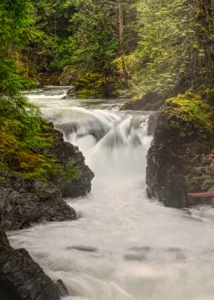
The first thing you notice at Little Qualicum Falls is the sound. Long before the

Did you know that more than 70% of photographers believe that editing software is essential