
Stokes Creek Falls in Port Alberni: Trail Guide & Directions
Some places are easy to miss, even when you know the area well. Stokes Creek
Grand Opening & Black Friday Sale = 50% Off




Have you ever cancelled a photo shoot because the sun is hidden behind clouds? You might be missing some excellent photo opportunities. While many photo buffs hide, we see it as a perfect time for amazing shots.
Many believe sunny days make for better photos. But clouds are nature’s softbox, softening harsh light into a gentle, flattering light. This light is kinder to subjects, avoiding those harsh shadows and squinting eyes.
Cloudy skies are actually perfect. While many beginners wait for sunny days, those who have been shooting for a while actually prefer cloudy weather. Why? Overcast days provide an unparalleled lighting experience.
Clouds act like a huge soft-box, softening the sun’s light, making it flattering for any subject. This can turn a simple photo shoot into something amazing if you know how to use the light.
Overcast skies offer many benefits. Instead of seeing them as a drawback, consider these advantages:
On overcast days, the light is perfect for midday shoots. Clouds soften the contrast between light and dark. This advantage means you don’t need to find shade or use diffusers.
Cloud cover changes the light available to photographers. Sunny days have direct sunlight, causing sharp shadows and high contrast. Clouds scatter sunlight, making it softer and more even.
This soft light is easier for cameras to handle. It balances exposures better, reducing contrast. This means less blown-out highlights and blocked shadows.
Colour rendition also improves on cloudy days. Without the blue cast of clear days or the warm tones of sunrise and sunset, colours are more accurate. This is great for portraits, where skin tones look natural and even.
| Lighting Aspect | Sunny Day | Coudy day | Photographic Impact |
|---|---|---|---|
| Light Quality | Harsh Direct | Soft diffused | More flattering portraits, easier exposure |
| Contrast | High | Low to moderate | Better detail in highlights and shadows |
| Colour Temp | Varies | Consistent, neutral | More accurate colour reproduction |
| Shadow Definition | Sharp, defined | Soft, gradual | Fewer distracting elements in composition |

Download your free trial today!
Professional photographers love cloudy days for many reasons. The light is consistent, making it easier to shoot for longer without changing settings. This is great for event photography or sessions with multiple setups.
Cloudy skies mean you don’t have to constantly move your subjects to avoid harsh sunlight. You can focus on composition and creative vision, not just light direction. This makes for more natural and spontaneous photos.
For portraits, cloudy days are perfect. Subjects look more relaxed and natural, without squinting or showing tension. The even lighting makes them look great without needing much retouching.
Landscape photographers also love cloudy days. They add drama and mood to scenes, making them more compelling. When the sun breaks through, it creates spectacular effects that are worth waiting for.
Instead of seeing cloudy weather as gloomy, think of it as “cozy” lighting. It adds a unique mood and character to your photos that sunny days can’t match.
Cloudy days offer a unique canvas for photographers. The soft, even light can create stunning images. It’s different from the harsh light of sunny days.
This light can make photos look flat. But, with the right techniques, you can add depth and interest.
Even on cloudy days, the sky isn’t all the same. Find the brightest part to use as your main light. Place your subject so this light creates direction across their face.
Artificial light can also help. Instead of using it in front of your subject, try placing it behind. This adds definition and counteracts the flat light.
I’ve found my light to be much more effective BEHIND my subject. A flash high above and behind adds a nice rim light. It helps define features lost in the flat background.
Reflectors are also great on cloudy days. A white or silver reflector can bounce light back onto your subject. This creates soft shadows that add depth without harshness.
Editing cloudy day photos needs a different approach.
Contrast is key for cloudy day photos. The soft light makes images look flat. Increase contrast in areas to add depth without losing the softness.
Make targeted adjustments, not global ones. For portraits, brush adjustments on skin and eyes. A slight contrast decrease with increased blacks on the eyes makes them pop.
Use clarity and dehaze tools carefully. A small boost to clarity can define features that seem soft in diffuse light.
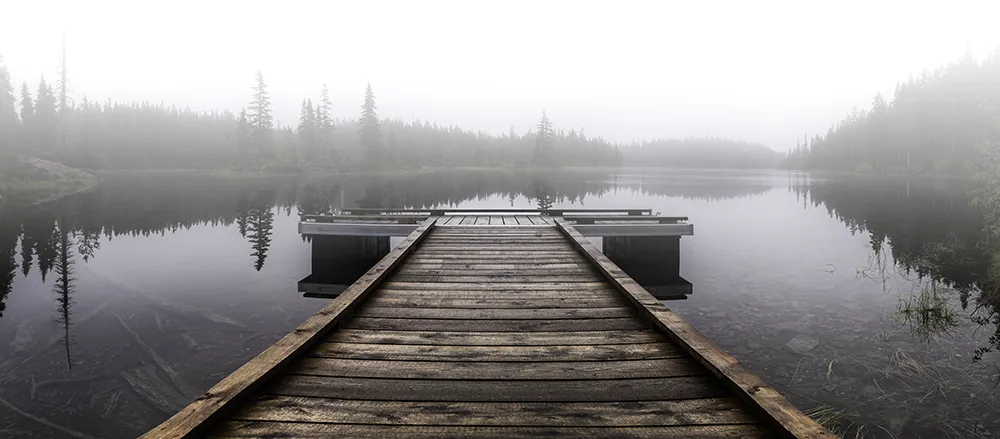
Photograph of shooting in overcast conditions.
Overcast weather is perfect for family photos. It gives soft, flattering light. Clients might feel sad about cloudy skys, but pros know best.
Even light means no harsh shadows or squinting. Families can relax and show their true connections.
Working with families on cloudy days requires special techniques. We’ll explore how to make the most of cloudy conditions for memorable family photos.
The diffused light wraps around subjects beautifully. It gives even illumination that flatters everyone. Unlike sunny days, cloudy conditions reduce harsh shadows under the eyes and noses, making everyone look their best.
Finding the direction of light is key, even when the sun is hidden. Position families facing where the sun would be behind the clouds for the most flattering light. This creates subtle dimension while keeping the soft illumination.
The Sun Seeker app is great for finding the sun’s position when it’s not visible. It shows exactly where the sun is located at each hour, helping you position your subjects optimally even when you can’t see the light source directly.
Choosing the right location is crucial on overcast days. Pick open areas where families can get maximum light from the sky. Avoid dense woods or areas with heavy tree cover, as these add unwanted shadows to your subject’s faces in already limited light.
Timing is still important, even without direct sunlight. The quality of light changes throughout the day on overcast days. Mid-morning and late afternoon typically offer slightly warmer tones than midday, when the light tends to appear cooler and flatter.
| Location Type | Overcast Day | Lighting considerations | Best Time to Shoot |
|---|---|---|---|
| Open fields | Excellent | Maximum skylight, even illumination | Any time during daylight |
| Beach/waterfront | Excellent | Reflective surfaces add light | Morning or late afternoon |
| Urban settings | Very good | Buildings may block some light | Midday for maximum light |
| Light forest edge | Good | Position families facing open sky | Mid-morning to early afternoon |
| Dense woods | Poor | Too dark, uneven shadows | Avoid if possible |
Communicate positively with clients about the benefits of overcast conditions. Many families hope for sunshine but don’t understand the photographic advantages of clouds. Explain how the soft light will flatter everyone’s skin tones and allow for more natural expressions without squinting.
Keep energy levels high during the session by maintaining an enthusiastic attitude. Cloudy days can sometimes feel less inspiring to clients, so your positive energy becomes even more important. Bring playful prompts and activities that encourage genuine interaction regardless of weather conditions.
Overcast skies can sometimes create a muted colour palette in your images. Combat this by strategically incorporating vibrant elements that stand out against the softer background. Suggest that families wear at least one bright accent colour in their outfits to create visual interest.
Look for naturally colourful elements; flowering bushes, autumn leaves, or colourful urban walls can provide perfect backdrops that add dimension to your compositions. Position families near these elements to incorporate natural colour into your frames.
Props can be very effective; consider items like colourful blankets, umbrellas, or seasonal elements that complement your location. These additions introduce colour and give families something to interact with, creating more dynamic images.
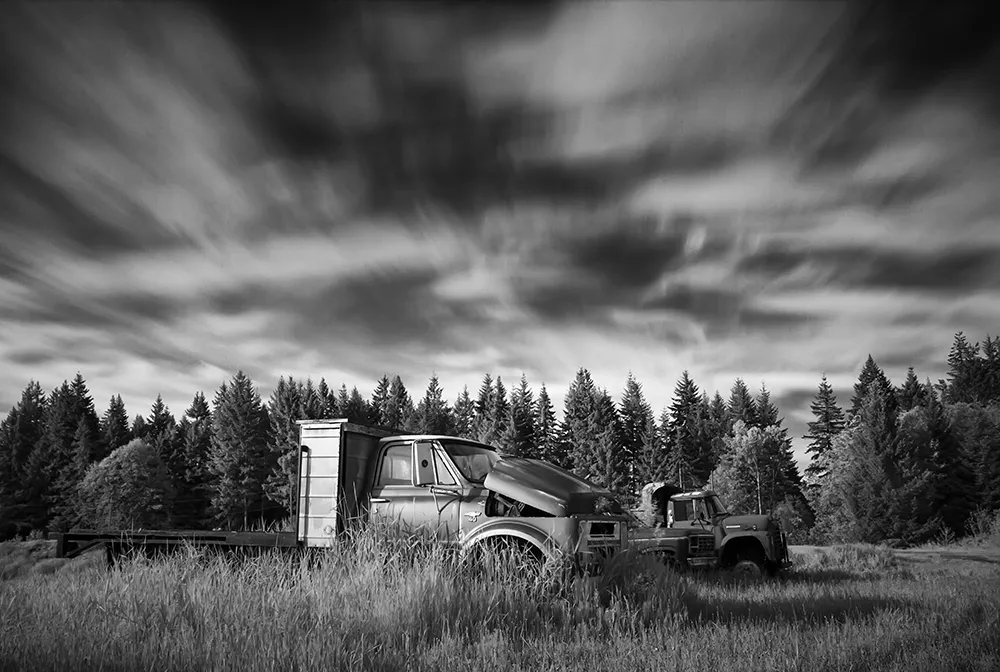
Landscape photography shines under overcast skies. The soft light offers chances not seen on sunny days. Let’s dive into how to use cloudy conditions to your advantage.
Overcast days act like a giant softbox, spreading light evenly. This softens shadows and reduces harsh contrasts. Your camera can capture more detail, making editing easier.
Cloudy skies enhance colours in foliage, water, and rocks. Without harsh sunlight, textures and details stand out. Falls and streams look great, allowing for longer exposures.
Even with less contrast, exposure management is key. Use your histogram to check for detail. Since there’s no golden hour, start shooting 30 minutes before sunset for light clouds. For heavy clouds, start two hours before.
Overcast skies bring a unique mood to your photos. Storm clouds add drama, while soft clouds create peace. By mastering these conditions, you’ll create stunning images, weather permitting.
Cloudy days might seem dull, but they’re actually a gift. Soft, even light from overcast skies flatters skin tones, reduces harsh shadows, and makes subjects look more relaxed and natural. Whether you’re shooting portraits, families, or landscapes, this light helps you capture more detail and emotion in your photos.
From choosing bright clothing to using reflectors and adjusting editing techniques, working with clouds takes a bit of skill, but the results can be stunning. With fewer crowds, moody skies, and consistent lighting, overcast days offer creative freedom and a calmer shooting experience for photographers at any level.

Yes, it is good to shoot on a cloudy day. Cloud cover acts like a natural softbox, creating soft, even lighting that reduces harsh shadows and highlights, making it ideal for portraits and landscapes.eo.
The best camera settings for overcast conditions include a wider aperture (f/2.8–f/5.6) to let in more light, a slightly higher ISO (200–800) to brighten the image, and a slower shutter speed if needed. Adjust white balance to “cloudy” for warmer tones and more accurate colours.
Some places are easy to miss, even when you know the area well. Stokes Creek

As we get older, our colour vision changes, and the result affects our life, including
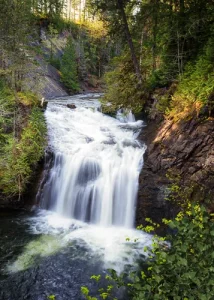
Trent River Falls is a short but rewarding hike just outside Courtenay on Vancouver Island.