Grand Opening & Black Friday Sale  =  50% Off 

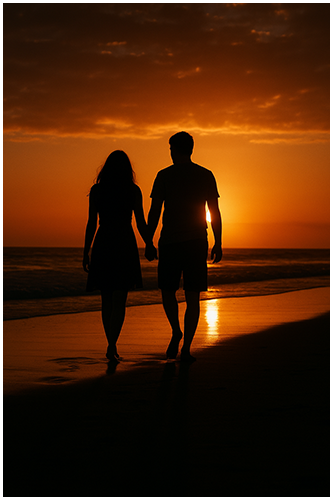
Couple walking on the beach - perfect example of silhouette photography technique.
Down Arrow

Silhouette Photography Techniques, Simple Tips for Beginners

Silhouette photography techniques can turn an ordinary scene into something dramatic, letting the shadows hide part of the story while the outline pulls the viewer in. A bold silhouette comes from clean shapes, strong back-light, and your exposure choice that build mood. Sunrise, sunset, or even a single bright indoor light can transform simple subjects into striking forms. 

By understanding how your camera and your composition shape the final image, you’ll discover a repeatable way to craft silhouettes that feel intentional and visually powerful. Read on for our photography tips and techniques.

Key Takeaways

  • Expose for the background and underexpose the subject to nail a clean silhouette image.
  • Shoot silhouettes at sunrise or sunset for rich colour and soft, low-angle light.
  • Use manual controls, a 35mm prime like the Sigma 35mm F1.4 Art, and turn off flash.
  • Tap to meter highlights, try burst mode, and hide the sun to avoid blown highlights.
  • Keep shapes distinct—space limbs, separate subjects, and use a low angle for impact.
  • Edit lightly in Snapseed—boost contrast, nudge blacks, warm tones or convert to black and white.
  • Apply simple silhouette photography techniques to create consistent, striking results.

Table of Contents

Understanding Silhouette Photography

I’m sure you have seen those bold shapes and clean edges photos before. They’re the essence of a silhouette image . With a strong light source and careful framing, you create drama effortlessly. Think simple shapes, strong lines, and a story.

With the right composition and lighting, your photos feel planned, not random.

What is a Silhouette?

A silhouette is a dark outline of a subject against a bright background. To accomplish this, you can often place a light source behind your subject, like a sunset or car headlights. This makes the subject’s shadow and the background’s detail stand out.

Your eyes see balance, but the camera loves contrast. This makes silhouettes really pop.

Choose a clear profile or strong pose for a fast-reading form. Avoid clutter near the edges. To make those silhouettes pop, back lighting is your best friend.

Importance of Silhouette in Photography

Silhouettes simplify a scene to its core; it’s about shape, gesture, and mood. They help you focus on what’s important. During sunset or city neon, you can turn everyday life into graphic art.

This approach adds to your photography skills, particularly in silhouette portrait techniques. It sparks new ideas for travel, weddings, and street photography; have fun with it.

Elements of a Stunning Silhouette Photo

Start with an obvious shape: a cyclist, a tree, or a couple holding hands. Align the subject against an open sky for contrast. 

Place the horizon low for scale or mid-frame for balance. Expose the highlights to protect the sky. Keep edges crisp and use negative space to let the silhouette breathe.

As you refine, test new angles and play with lighting. This deepens colours and moods without losing that bold outline.

Looking to stretch your budget? We’ve got good news! Save an additional 10% use code bwild10

Camera Settings for Silhouette Photography

You want crisp outlines and rich skies. So, your camera settings should focus on the bright background, not the subject. Remember to turn off the on-camera flash to avoid filling the figure. Shooting in RAW lets you adjust the colour and exposure later in the post.

Keep your ISO low; stick to 100–400 at sunrise or sunset. This helps keep detail and avoid noise.

Getting Your Camera Settings Right

Choose an aperture that provides enough depth of field that the subject stands out. I normally shoot at f/8 to f/16 to keep the edges sharp and create starburst highlights. Set the camera for a rapid shutter speed to protect the sky and darken the subject.

Face the sun and raise your shutter speed until the dark silhouette pops. If light dips near blue hour, use a tripod for slower shutter speeds without blur. 

Watch the meter and bias it toward the bright sky for a great silhouette. Intentionally underexpose by 1–2 stops to deepen tone and carve clean shapes. If you’re trying to do this on your smartphones, tap the brightest part of the sky to set exposure, then lock focus/exposure and click the shutter button.

Keep your silhouette photography equipment simple. Use a sturdy tripod, a lens hood, and extra batteries if you stay for silhouette shooting during the afterglow.

Bob Wild Fine Art

Featured Gallery

Etosha National Park Giraffes

Starting at CA$39.00

Vancouver Island Waterfall Print

Starting at CA$39.00

Lower Myra Falls Vancouver Island

Starting at CA$39.00

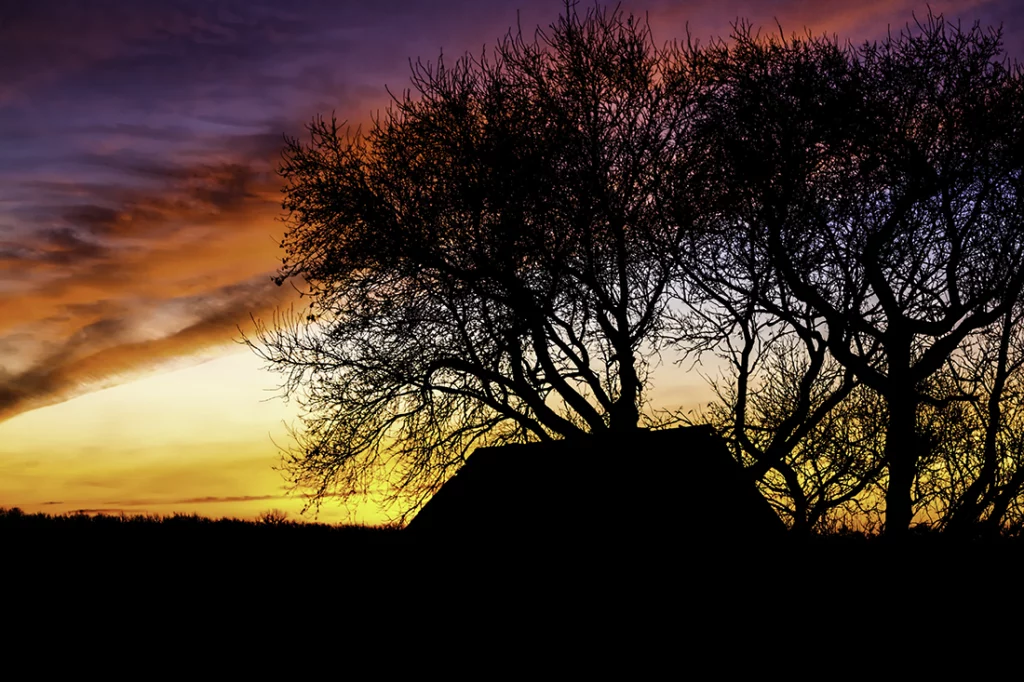
Red Barn Building Farmers Field

Starting at CA$39.00

Using Manual Mode for Better Control

Switch to manual mode to own every decision. Start with ISO 100 and aperture at f/8, and adjust shutter speed until the histogram leans right without clipping. If highlights threaten to blow, raise shutter speed; if the outline feels flat, underexpose another third of a stop.

When you shoot in manual mode, your camera won’t fight you. A consistent exposure lets you reframe without surprises, ensuring a perfect silhouette portrait.

Refine by checking your edges and for flaring. A small aperture boosts sunstars while keeping the horizon crisp. If you want the scene to have a softer feel, open the aperture by one stop and reduce glare using a lens hood.

Each tweak balances aperture, shutter speed, and ISO so the subject stays dark while making the sky sing.

Spot Metering vs. Average Metering

You may want to switch to spot metering, as it reads a tiny slice of the frame. Aim it at the brightest part of the sky to lock the exposure and darken the subject. Average metering (or evaluative on Canon, matrix on Nikon, or multi on Sony) blends the whole scene, which can lift shadows and hence weaken the silhouette.

If average pulls the subject up, dial negative exposure compensation or go fully manual to keep control of the meter. When the light changes fast, spot metering plus manual tweaks is a reliable combo. If you prefer speed, use average metering with −1 to −2 EV to underexpose on the fly.

Either way, keep scanning the histogram and highlight the alert so your camera settings remain tuned as the sun drops.

Tips for Capturing Stunning Silhouette Photography Techniques - An Example

Tips and Tricks for Shooting Silhouettes

Your goal is to get clean outlines, rich colours, and drama. Start with a strong backlight and finish with careful edits. This way, only what should be dark gets darker.

Best Times to Shoot Silhouettes

Golden hours AKA sunrise and sunset, are perfect. They offer soft contrast and bold skies. Arrive early and wait for the sun to sit low behind your subject.

Indoors, use a single bright window or doorway. Keep the room lights off to control the lighting. At night, use car headlights or an off-camera flash for backlight to enhance the dark silhouette effect.

Choosing the Right Photography Subjects

Choose subjects with clear, graphic shapes. Cyclists, dancers, trees, and city skylines work well. Try simple ideas like a runner at sunset or a couple holding hands walking on a beach to create a beautiful silhouette photograph.

Angle is important. Turn bodies sideways and separate arms from the torso. Small changes can darken details and sharpen the outline.

How to Underexpose for Dramatic Effect

Set your exposure for the bright background, not the subject. Use spot- or center-weighted metering in the sky. Then, dial exposure compensation to −1 to −3 EV to darken the foreground.

Keep the white balance fixed. If shooting in JPEG, daylight works well at sunset to avoid any colour drift. In post, apply subtle editing adjustments. Lower the shadows, nudge your blacks, and add contrast. You’ll want to keep the edges sharp and embrace negative space for a clean look.

Conclusion

Silhouette photography techniques give you a simple way to turn everyday scenes into bold, eye-catching images. By exposing for the bright sky, choosing clean shapes, and using strong backlight, you create photos that feel dramatic and intentional. Keep your approach simple, watch your edges, and lean into contrast.

With a bit of practice, these techniques will help you build silhouettes that stand out and tell a clear, powerful story.

Frequently Asked Questions

To make a photo look like a silhouette, place your subject in front of a bright light source and expose for the background. This underexposes the subject, creating a clean, dark outline against a bright sky or light.

The best technique to create a silhouette effect is exposing for the bright background while keeping the subject in shadow. This underexposes the subject, producing a clean, dark outline against a brighter sky or light source

Our Latest Blogs