Grand Opening & Black Friday Sale  =  50% Off 

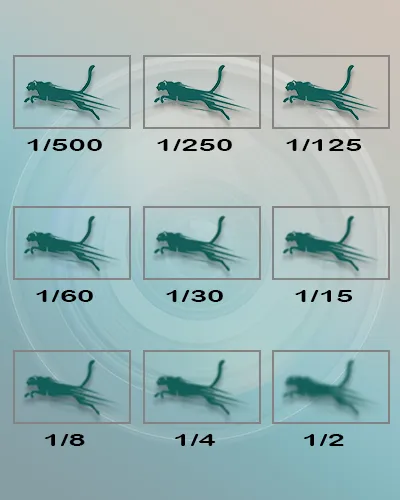
Shutter Speed
Down Arrow

Mastering Shutter Speed in Photography: A Beginner’s Guide 

Hey there! Have you ever been curious about how to dial in your shutter speed in photography to freeze speeding cars or make waterfalls look dreamy and soft? It’s pretty cool stuff! Your shutter is like a secret weapon that photographers use to make their pictures pop. Learning it, you’ll unlock a bunch of creative ways to take photos. In this guide, we’ll chat about the basics and how it effects your photos. 

It’s easier than you think and super fun to play around with. Get ready to take control of your camera settings and capture amazing shots!

Key Takeaways

  • Controls how long your camera’s sensor is exposed to light.
  • It affects both image brightness and motion in your photos.
  • Fast shutter freeze action, while slow speeds create motion blur.
  • Shutter speed is one part of the exposure triangle in photography.
  • Understanding your shutter helps you achieve your creative vision.

Table of Contents

Understanding Your Camera’s Shutter 

Shutter speed is a key part of photography . The camera shutter can make or break your shots. Let’s explore how its impact on your photos.

What is shutter speed?

Shutter speed refers to how long your camera’s shutter is open. It’s measured in seconds or fractions of a second. It ranges from very fast (1/8000) to very slow (30 seconds or more).

How does it impact your exposure?

 A longer shutter lets in more light, making images brighter. At faster speeds you require less light, making them darker. Finding the right balance is crucial for proper exposure.

The relationship between your shutter and motion

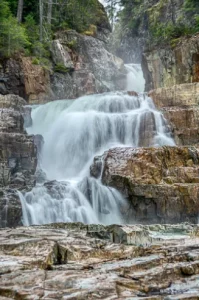
It isn’t just about light; it’s also about capturing motion. A fast shutter can freeze action, ideal for sports or wildlife shots.  A slow shutter create motion blur, perfect for artistic effects like silky waterfalls or light trails.

ShutterEffect of a shutterTypical Use
1/1000 sec or fasterA faster speed freezes fast action effectively.Sports, wildlife
1/60 - 1/250 secSharp handheld shotsEveryday photography
1/15 - 1 secSlight motion blurLong exposures can create artistic effects in low light.
1 sec or slowerChoose the right shutter speed to avoid motion blur.Night photography and light painting benefit from shutter priority.
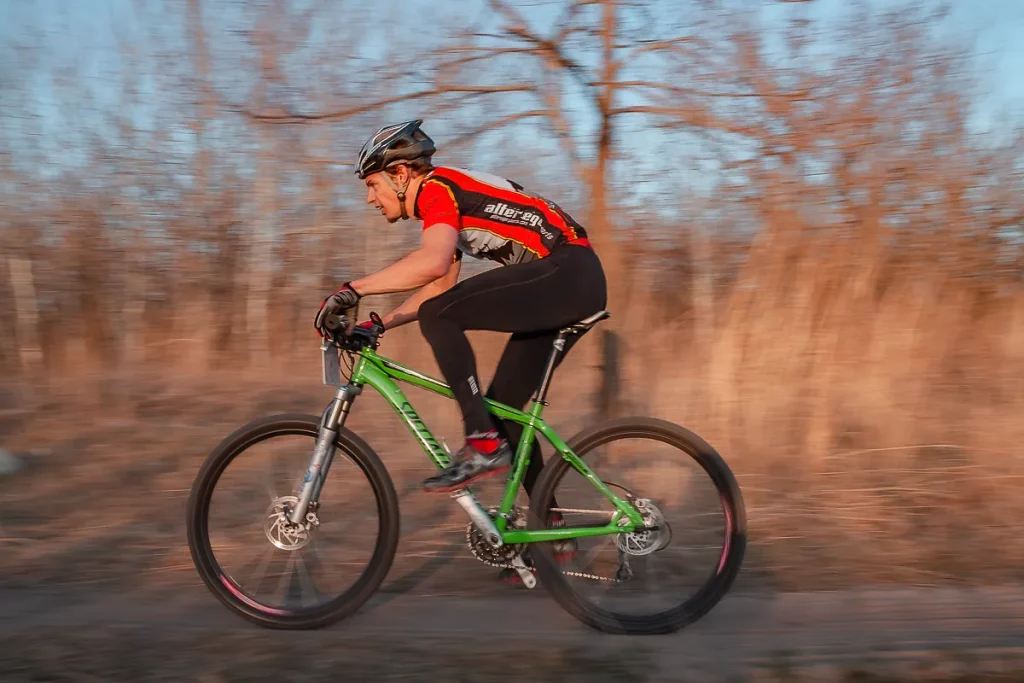
rider on a mountain bike example of shutter speed

Fast speeds: Freezing action

A Fast shutter helps you freeze action and capture sharp details. This is ideal for sports, wildlife, and action shots.

When to use a faster shutter

Use a high speed to freeze action. It’s perfect for:

  • Sports events
  • Birds in flight
  • Water droplets
  • Dancing
  • Kids playing

Examples of fast shutter in photography.

Here are some stunning examples of faster shutter in action:

SubjectSpeedEffect
Hummingbird1/4000 SecWings frozen mid-flap
Race car1/2000 secondsfor freezing action in bright conditions.Sharp details, no motion blur
Water splash1/8000 SecDroplets suspended in the air

Challenges and solutions for a fast shutter

You might face low light issues, which can be mitigated by keeping the shutter open longer. To fix this, try:

  • Increasing ISO
  • Using a wider aperture
  • A flash can add more light.

Practice makes perfect. Experiment with different settings to get the best results. Soon, you’ll master the art of freezing action with a high shutter.

Creating motion blur

A slower shutter is a key technique in photography. It lets you capture motion blur for amazing effects. This happens when your camera’s shutter is open for a long time, usually 1/30 second or slower.

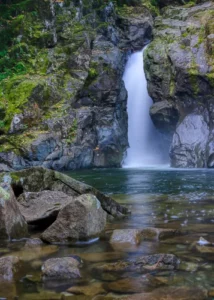
Long-exposure photography opens up many creative doors. You can make flowing water look silky, or car headlights turn into bright trails. It’s important to keep your camera steady; use a tripod to avoid blur.

Here are some popular subjects:

  • Waterfalls and rivers
  • City traffic at night.
  • Star trails in the night sky,
  • Clouds moving across landscapes,

Trying out slow shutter speeds can make your photos look dreamy and ethereal. It’s a great way to add movement to your photos. This turns ordinary scenes into amazing art.

Creative uses of shutter speed

Shutter speed is a key tool in creative photography. It lets you experiment with speed and aperture to make ordinary scenes look amazing. Let’s look at some enjoyable ways to use shutter speed.

The panning technique is a favorite. It entails using a slow shutter speed while following a moving subject. This makes the subject clear and the background blurry. It shows motion and energy in your photos.

Long exposures can do amazing things. They let you capture light trails in cities or star trails at night. These shots add magic to your photos, showing light and time moving.

For something different, try moving your camera during long exposure. This makes your subjects look abstract and interesting. It turns everyday things into art.

SpeedEffectBest For
1/30 secSlight motion blurMoving people, slow-moving water
1 SecMotion blur is noticeable.Flowing rivers, busy streets
10 SecSignificant blurWaterfalls, cloud movement
30 SecExtremely long exposureStar trails, light painting

Remember, getting good at long exposures requires practice. Don’t be afraid to try different settings and subjects. This will help you find your unique style in long-exposure photography.

Looking to stretch your budget? We’ve got good news! Save an additional 10% use code bwild10

Shutter Speed and low light photography

Low-light photography is tough and needs careful shutter management. You’ll often change camera settings to get enough light and keep the image at a high quality.

Balancing your shutter in low-light conditions

In dim places, you might need slower shutter speeds to let in more light. But this can cause motion blur or camera shake. To fix this, try upping your ISO or using a bigger aperture. Finding the right balance is key for outstanding images in tough lighting.

For longer exposures, use tripods.

A tripod is a must for night shots and long exposures. It keeps your camera still, allowing you to use slower speeds with no camera shake. This is vital for capturing star trails or light trails at night.

Low-light photography techniques

Experimenting with different methods can yield amazing results in low light with longer settings.

  • Light painting: During a long exposure, use a flashlight or another light source to “paint” your subject.
  • Bulb mode: For shots longer than 30 seconds, use your camera’s bulb mode to control the shutter speed yourself.
  • Bracketing: Take several shots at different exposures to make sure you get the best image.

Mastering these techniques and knowing how to balance your shutter with other settings will help you with low-light photography. You’ll be able to create stunning night shots by keeping the shutter open longer.

TechniqueRange Effect
Panning1/15 - 1/60 secondSharp subject, blurred Shutter speed and aperture adjustments can blur the backdrop and sharpen the subject.
Light Trails1 - 30 secondsStreaks of light from moving sources can be captured with a long shutter speed.
Star Trails15 minutes—several hours.Circular patterns of stars in the night sky
1/2- 2 secondsAbstract, painterly effects can be achieved with a quick shutter speed.
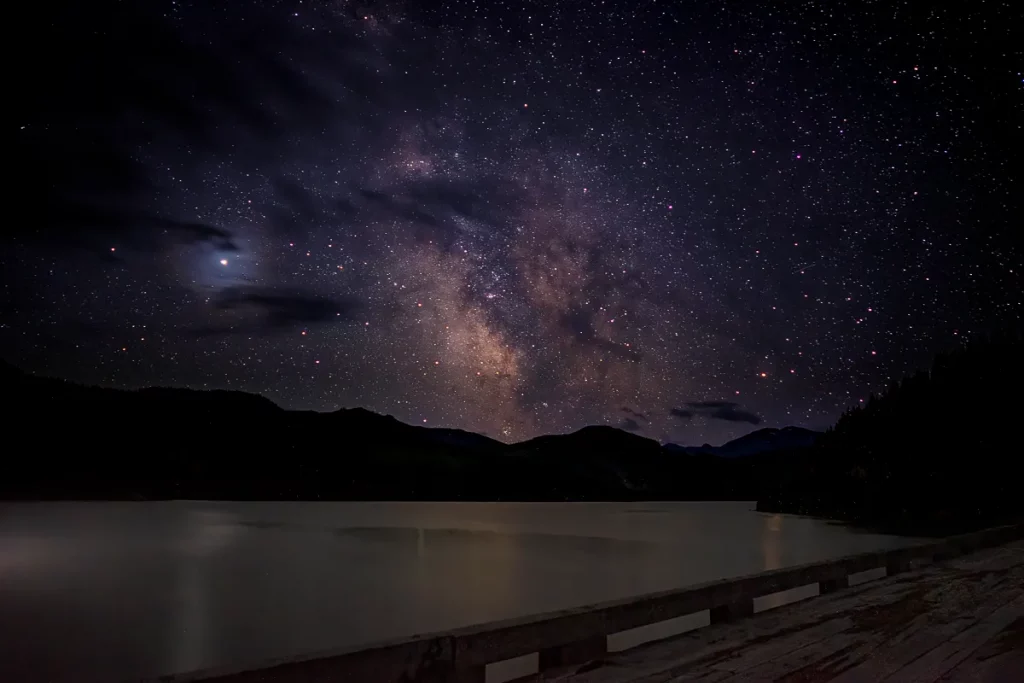
A captivating night photo that illustrates the concept of shutter speed in photography.

Remember, practice is key when it comes to shutter speed. Don’t hesitate to try new settings and subjects. With time, you’ll know how shutter speed affects your photos.

Shutter speed and camera shake

Camera shake can ruin your photos, especially with slower speed. Knowing how to deal with it is critical for image quality. Let’s look at ways to lessen camera shake and boost your photography.

Understanding the reciprocal rule

The reciprocal rule helps avoid camera shake. It means your shutter speed should be at least the inverse of your lens’s focal length. For a 50mm lens, use a shutter speed of at least 1/50th of a second. This rule keeps your images sharp when you’re handholding your camera, especially when you set it to shutter priority.

Image stabilization and shutter speed

Many cameras and lenses now have image stabilization. This technology lets you use slower shutter speeds without camera shake. It mitigates small movements, making it easier to handhold in low-lighting situations.

Handheld shooting techniques

Good handheld techniques cut down camera shake and help maintain a higher shutter speed. Here are some tips:

  • Hold your camera with both hands.
  • Tuck your elbows close to your body.
  • Use a wide stance for better stability.
  • Control your breathing while shooting.
TechniqueBenefit
Reciprocal RuleHelps determine the minimum shutter speed.
Image StabilizationAllows for slower shutter speeds
Proper Handheld TechniqueReduces physical camera movement

Shutter Speed in different photography genres

 In sports, it helps to freeze fast action by ensuring your speed may be fast enough. You often need speeds over 1/1000th of a second to catch every moment.

For landscapes, slower shutter speeds create dreamy scenes. They blur water or clouds, showing movement. Use speeds of 1/30th of a second or more for this effect.

Portrait photography sits in the middle. You aim for sharp subjects with some movement. Speeds from 1/125th to 1/250th of a second are best for portraits.

GeneTypical Shutter SpeedEffect
Sports Photography1/1000th or fasterFreeze action
Landscape Photography1/30th or slowerUsing a higher shutter speed can minimize blurry movement.
Portrait Photography1/125th to 1/250thSharp subject, natural movement

These are just tips, not hard rules. Trying out different shutter speeds can lead to new and creative shots in any style. Don't hesitate to explore and find your unique way in photography.

Common shutter speed mistakes and how to avoid them

It’s easy to make mistakes. Let’s look at some common errors and how to fix them.

Overexposure and Underexposure

Choosing the wrong speed can lead to over or underexposed photos. Slow speed in bright light makes images appear too bright. A fast shutter in dim light makes your photos too dark, AKA underexposed. To fix this, use your camera’s manual mode and learn to read the histogram.

Unintentional motion blur

Motion blur can spoil a photo if you don’t mean for it to happen. This is often due to slow shutter speeds for handheld shots or moving subjects. To avoid blur, use quicker shutter for action shots. Remember the reciprocal rule for handheld photography.

Ignoring the Creative Potential of Shutter Speed

Many photographers use auto modes and miss out on its creative power. Try different speeds to freeze action, blur motion, or capture light trails. You can turn ordinary scenes into amazing photos by mastering your shutter and avoiding common mistakes.

Final Thoughts

Understanding and mastering shutter speed in photography is essential for any aspiring photographer. Whether you’re aiming to freeze the action at a sports event or create dreamy motion blur in a landscape, your shutter plays a critical role in how your images turn out. By experimenting with different speeds, you’ll unlock new creative possibilities and elevate your photography skills. Be adventurous and push your camera’s limits—practice makes perfect.

Finally, experiment with different shutter speeds and see what works best for your photos!

Our Latest Blogs