Grand Opening & Black Friday Sale  =  50% Off 

What is and why you should practice the 20-60-20- rule for photographers.
Down Arrow

Unlock the Power of the 20-60-20 Rule in Photography

Ever spent hours editing, only to feel like your gallery is full of “meh” shots? You’re not alone.  Discover the 20-60-20 rule in photography! Work smarter, reignite your creativity, and capture stunning images.Whether you’re chasing the Northern Lights or taking family portraits, that creative struggle is real. But what if there was a way to work smarter, not harder, while keeping your artistic spark alive?

Enter a game-changing approach I rely on, rooted in a solid philosophy of photography. It’s not about rigid formulas; it’s about balancing shots with bold experiments. Think of it as your secret weapon for unpredictable Canadian weather or last-minute client requests.

Key Takeaways

  • Transform your workflow with a structured yet flexible method.
  • Blend reliable shots with creative risks effortlessly.
  • Adapt techniques across genres, wildlife, portraits, or street snaps by mastering the first 20 skills every photographer should know.
  • Save time without sacrificing quality in tight schedules.
  • Boost confidence in unpredictable shooting conditions.

Table of Contents

What Is the 20-60-20 Rule in Photography?

What if there was a way to balance safety and creativity in every shoot? This isn’t just wishful thinking; it’s a proven method borrowed from the business world and perfected by photographers. Let’s unpack how it works.

Origins of the Rule

Originally a corporate strategy, the 20/60/20 rule helped companies like PrintLink manage teams efficiently. Wildlife photographer Paul Nicklen saw its potential for creative work. He adapted it to tackle unpredictable conditions, like Canada’s sudden storms or golden-hour light shifts.

How It Applies to Photography

The framework splits your shoot into three phases:

  • First 20% (Safe Bets): Nail the essentials. Think steady compositions and reliable exposure—your backup plan when time or weather fights back.
  • Middle 60% (Creative Play): Push boundaries. Experiment with angles, motion blur, or unconventional framing. This is where skills grow.
  • Final 20% (High-Risk Rewards): Go wild. Try that backlit silhouette or daring depth of field for your next Instagram post. These might fail, but when they work, they’re portfolio gold.

 Safe shots secure the story, while risky close-ups capture breathtaking emotion. Whether you’re shooting Banff’s peaks or city streets, this approach keeps your gallery diverse and dynamic.

Why the 20-60-20 Rule Works for Photographers

Tired of coming home with hundreds of nearly identical frames? This method isn’t just theory; it’s a field-tested system that streamlines your process while sparking fresh ideas. From wildlife expeditions to wedding venues. 

Streamlining Your Workflow

No more “spray and pray.” The structured phases force you to think before clicking. Photographers using this method are more productive, turning chaotic hours into a diverse portfolio, safe shots for editors, and bold experiments for awards.

How? They’re not sifting through 20 near-identical aisle shots. Instead, deliver client galleries with guaranteed keepers and pleasant surprises.

Boosting Creativity and Consistency

Creativity thrives within limits. By reserving 60% of your shoot for play, you’ll try angles or lighting you’d usually skip. 

The best part? Capturing that perfect photo that tells a story. Even if your risky final 20% flops, you’ve still got rock-solid images. That safety net builds confidence to push boundaries, shot by shot.

  • Kills guesswork: By applying a technical approach to every photograph, Intentional framing from the first click
  • Dual wins: Usable images today, skills for tomorrow
  • Client-proof: Delivers both “safe” and “wow” shots they’ll love.

Black Friday deals on now! Save up to 77% – Plus an additional 10% when you use code bwild10

Breaking Down the Three Phases

Here’s how to split your shoot into three purposeful phases, ensuring you spend the first 20 minutes on planning. This method ensures you nail the essentials, push boundaries, and leave room for magic. Let’s dive in.

Phase 1: The First 20% (Safe Shots)

Start with reliability; think of Phase 1 as your editorial baseline. For weddings, it’s the aisle shots. For wildlife, it’s sharp, well-composed animal portraits. They’ll anchor your story.

Phase 2: The Middle 60% (Creative Stretching)

Now, play. This phase is where skills grow.  Try unconventional angles, lighting and framing. 

Phase 3: The Final 20% (Risk-Taking)

Go bold. Yes. Portfolio-worthy when it worked? Absolutely.

This is your “what if” phase. Tilt the camera, shoot into the sun, or try that double exposure you’ve been eyeing.

PhaseTime Allocations ( 2 hour shoot)GoalsExample
1 (safe)24 minutesSecure essentials Classic portraits
2 (creative)75 minutesExperimate freely Shutter drags, different angles,
3 (Risk) Last 24 minutesChase brillances Extreme close-up, break the rule of thirds

Use Phase 3 to build natural story arcs. Clients, and editors, love galleries that flow from safe to stunning, showcasing the philosophy behind each photograph.

Tools and Techniques to Maximize the Rule

Ever feel like your gear bag is missing that one key tool when you need it most? Whether you’re chasing wildlife in the Yukon or shooting urban portraits in Montreal, the right setup saves time and unlocks creativity. Let’s break down the essential things that keep your workflow smooth, from gear choices to timing tricks.

Choosing the Right Gear

Pack smart, not heavy. Try a two-lens combo: wide-angle for landscapes and super telephoto for wildlife. Dual camera bodies? Even better, they prevent frantic lens swaps during critical phases.

Canadian shoots demand weatherproofing. Think rain sleeves for coastal shoots or insulated gloves for winter aurora shots. Your creative vision shouldn’t freeze mid-shoot.

Time Management Tips

An intervalometer isn’t just for star trails; it’s a silent timekeeper that can help you spend the first 20 minutes setting up the perfect shot. Set it to nudge you between phases. Smartphone apps like PhotoPills are game-changing tools for photographers, allowing you to plan your next 60 shots with precision. Help track golden-hour windows for risky Phase 3 shots.

Pro tip: Monthly project reviews refine your personal ratios. Maybe your “safe” 20% needs trimming, or your bold 20% deserves more time.

  • Dual cameras: Skip lens changes, stay in the moment.
  • Weather gear: Canada’s elements won’t wait.
  • Phase alerts: Apps buzz when it’s time to switch gears.
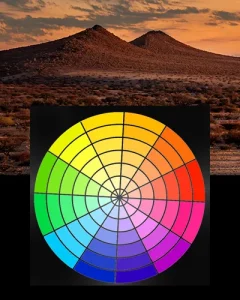
Example of 20-60-20 rule in photography.

Common Challenges and How to Overcome Them

Bad weather or stubborn subjects? Turn challenges into creative wins. Even the best-laid plans face hiccups, whether you’re dodging rain while shooting that wedding or waiting for a shy moose in Algonquin Park. Here’s how to stay on track when things go sideways.

When Pressure Tests Your Plan

Part of the process is accepting that not every bold move pays off. Clients might comment on delays; explain you’re crafting variety, not just volume.

Build in a 10% time buffer. For instance, in wildlife photography, shift to environmental details like paw prints or golden grasses. Action shots can wait.

Dancing With Unpredictability

Canadian weather doing its thing? Have indoor backups ready. Fog rolling in on your hot air balloon shoot? Use it for moody Phase 2 experiments. Remember: Even Ansel Adams had a 90% failure rate on risky shots.

ChallengeQuick FixPhase Impact
Sudden stormSwitch to sheltered locationCaptures phase 1 shots first
Uncooperative wildlifeFocus on habitat/close-upsSalvage phase 3 with details
Impatient clientsShow safe shots firstBy time for creative work

Bottom line: Challenges aren’t roadblocks, they’re chances to problem-solve like a pro. Keep calm, adapt, and watch those “failed” shoots become your best teachers.

Conclusion

Your next session could be the one where safe meets spectacular; here’s how. This approach transforms the way you work, blending reliable shots with bold ideas. Start small; test the 20-60-20 rule at a nearby park or family gathering.

Remember that safety net of keepers fuels your creative leaps. Your future self will cheer during culling when the results shine, both the polished and the unexpected.

Our Latest Blogs