
Browns River Falls: Hiking Guide (Comox Valley, BC)
I’ve been to Browns River Falls many times, and it’s one of those places I
Hunt for your perfect deal Easter sale on now! – 30% Off


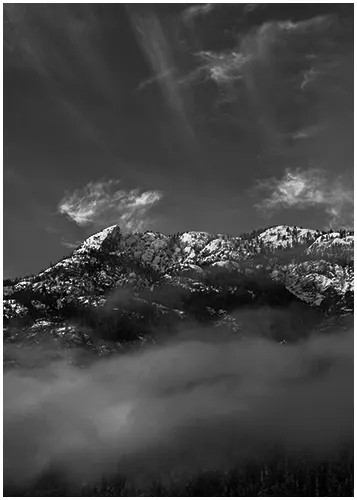

When delving into the realm of black and white landscape photography, understanding this art form it’s essential to shoot images that evoke emotion and depth. Let’s explore why black and white landscape photography is so compelling and the essential equipment needed.
Black and white landscape photography holds a unique allure, allowing you to convey a timeless and dramatic aesthetic. By removing colour, you are focusing on the essence of the landscape, emphasizing texture, shape, contrast, and composition.
This simplicity can evoke powerful emotions and create a sense of nostalgia, enhancing the visual impact of your photographs you want to create.
Embracing black and white challenges you to see the world in a differently, encouraging a deeper exploration of light, shadow, and tonal range.
B&W enhances the mood and atmosphere of your landscapes, lending a classic and artistic quality to your images. By immersing yourself in the monochromatic world, you can truly unleash your creativity and vision.
To embark on your black-and-white landscape journey, it’s important to have the right tools at your disposal. Here is a breakdown of the essential equipment you’ll need:
| Equipment | Description |
|---|---|
| DSLR/Mirrorless camera | A digital single-lens reflex (DSLR) camera provides versatility and control over your settings, allowing you to capture high-quality images with ease. |
| Prime Lens | Prime lenses with a fixed focal length offer sharpness and clarity, ideal for capturing detailed black and white landscapes. Consider a wide-angle lens for expansive vistas and a telephoto lens for close-up shots. |
| Tripod | A sturdy tripod is essential for stabilizing your camera during long exposures, ensuring sharpness and reducing camera shake. It is especially useful in low-light conditions. |
| A neutral density filter | Neutral density filters help control light intake, allowing you to achieve longer exposures and create stunning effects such as silky waterfalls or blurred clouds in your black and white landscapes. |
| Remote shutter release | A remote shutter release minimizes camera shake when taking long exposures, ensuring sharpness and precision in your monochrome images. |
By understanding the power of black and white and having the essential equipment, you'll begin to capture breathtaking monochromatic landscapes that tell compelling stories and evoke powerful emotions.
...Bob
Download your free trial today!
Enhancing B&W landscape photography involves understanding composition techniques and the ability to playing with light and shadows to create those stunning monochrome images.
Composition is a priority in creating captivating black and white landscape. Look for elements like lines, shapes, patterns, and textures in your frame. Here are some essential composition techniques to consider for landscape photographers aiming to improve their craft:
| Composition Techniques | Description |
|---|---|
| Rule of thirds | Divide your frame into thirds both horizontally and vertically for balanced compositions, which every photographer should consider. |
| Leading Lines | Use natural or man-made lines to lead the viewer’s eye through the scene. |
| Framing | Frame your subject with elements in the foreground to add depth and context, which can be crucial for any landscape photographer. |
| Symmetry and Patterns | Seek out symmetry and patterns in your landscapes for visually interesting compositions. |
| Foreground Interest | Include a strong foreground element to draw the viewer into the scene. |
By using these composition techniques, you can create visually striking black and white images that captivate viewers and evoke a sense of depth and mood.
For more insights into composition in black and white nature photography, check out our article on black and white nature photography.
Light and shadows play a different role in black and white photography, they add contrast, drama, and visual interest to your images. When shooting monochrome landscapes, consider the following tips for working with light and shadows:
| Lighting Condition | Description |
|---|---|
| Golden hour | Capture the soft, warm light during sunrise or sunset for a magical atmosphere. |
| High Contrast | Embrace harsh light to create strong contrasts and impactful black and white photos. |
| Silhouettes | Experiment with silhouettes against bright backgrounds for striking monochrome silhouettes. |
| Texture Emphasis | Use side lighting to accentuate textures and create depth in your black and white landscapes, a technique favoured by many landscape photographers. |
| Shadow play | Incorporate shadows to add depth and dimension to your monochrome compositions. |
| Fog and Mist Effects | Embrace misty or foggy conditions to create ethereal and atmospheric black and white landscapes that a skilled photographer would want to create. |
When it comes to black and white landscape photography, editing and post-processing plays a vital role in transforming your raw images into stunning monochrome masterpieces.
One of the key elements that can make your black and white landscape photos stand out is contrast. Contrast refers to the variation between the light and dark areas in your image. To create impactful B&W photos, aim to enhance the contrast between the different elements, such as light and shadow, textures, and shapes, by adjusting brightness and contrast in post-processing.
Adjusting contrast in post-processing can help highlight details and bring depth to your landscapes photos.
Experiment with different levels of contrast to find the right balance that best enhances your image.
Additionally, pay attention to the textures present in your landscape. Textures can add visual interest and a tactile feel to your B&W photos.
Enhancing textures through editing can bring out details like rugged rock formations, wispy clouds, or the roughness of tree bark, adding a dynamic dimension to your composition.
Creating depth and mood is essential in capturing the essence of a black and white landscape. Post-processing techniques can help enhance the depth of field in your photos, making distant elements appear more defined and adding a sense of perspective to your composition.
To enhance depth in your B&W photos, consider adjusting the tonal range. By fine-tuning the tonal values from deep blacks to bright whites, you create a dynamic range that adds visual interest and appeal.
This technique can help draw the viewer’s eye through the different layers of their visual journey.
Moreover, focusing on the mood of your B&W landscapes can evoke powerful emotions and narratives that a skilled photographer aims to capture. Experiment with toning and tinting effects during post-processing in Lightroom to add a touch of warmth or coolness to your images, depending on the mood you want to convey.
Subtle tonal shifts can dramatically alter the atmosphere of your landscape, transforming a simple scene into a captivating story.
By leveraging contrast, texture, depth, and mood in your black and white landscapes, you can enhance the visual impact and storytelling elements.

Achieving stunning black and white landscape shots requires patience and persistence. Nature’s elements may not always align perfectly for your photo shoots, but embracing these unpredictable moments can lead to truly captivating images.
Whether you’re waiting for the ideal lighting conditions or searching for the perfect composition, remember that patience is key to capturing the essence of a landscape in monochrome.
Seizing the right moment and investing time and effort into your craft are crucial aspects of black and white photography. By honing your ability to wait for the opportune instant, you can capture landscapes in their most picturesque settings, a skill that every photographer should develop.
Remember, some of the most breathtaking black and white nature photographs are the result of patience and a keen eye for detail.
To elevate your photography skills, don’t hesitate to explore various perspectives and angles with your digital camera. Changing your vantage point can offer fresh insights into a scene and add a dynamic element to your compositions.
Whether you’re shooting from a low angle to emphasize foreground elements or from a high vantage point to showcase vast landscapes, experimenting with different perspectives can unleash your creativity.
By venturing beyond traditional approaches and embracing unconventional angles, you can infuse your black and white landscape photographs with a unique touch. Consider incorporating leading lines, framing techniques, or unconventional framing.
Remember, the beauty of monochrome landscapes lies in the diversity of perspectives you can bring to life through your lens.
As you refine your black and white landscape photography skills, remember that practice patience, persistence, and a spirit of experimentation are essential elements for taking breathtaking images.
Exploring black and white landscapes Photography reveals the timeless beauty of the world around us. We’ve talked about the compelling reasons to embrace monochrome, from emphasizing texture and form to evoking powerful emotions.
Equipping yourself with the right tools, like a DSLR camera and prime lenses, is a great starting point, but understanding composition techniques, such as the rule of thirds and leading lines, will elevates your art. Playing with light and shadow, especially during the golden hour, adds drama and depth.
Post-processing, where you can refine contrast and texture, is the final touch to creating stunning monochrome masterpieces. Ultimately, patience and experimentation are your greatest allies in capturing the captivating essence of black and white landscapes.

I’ve been to Browns River Falls many times, and it’s one of those places I

Colour is one of the most powerful tools in photography. It’s how people feel about
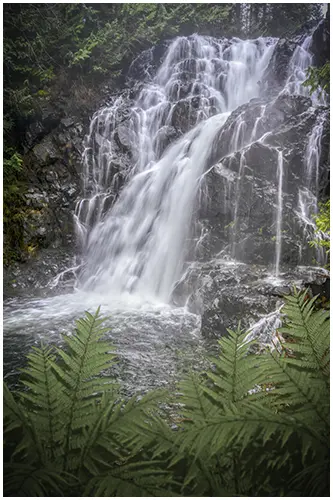
I’ve visited Trout Creek Falls multiple times over the years, and it’s one of those