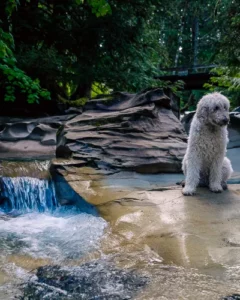
Cumberland China Bowls Hiking Guide on Vancouver Island
One of my favourite quick hikes near Cumberland is the Cumberland China Bowls, also known
Hunt for your perfect deal Easter sale on now! – 30% Off




Black and white can feel timeless, and photographers use simple elements to tell amazingly strong stories. What’s the black and white photography psychology behind these images and why do they stir such deep emotions?
Curious why some of the most moving photos are in black and white? Let’s uncover how photographers use contrast, light, and composition to connect with our emotions. Discover the secrets behind these captivating images and how they speak to us in their own way. Get ready to see photography differently.
B&W is like a solo piano player that captures your heart. It dances around shadows and highlights, stirring feelings that colourful images sometimes miss.
Without colours, these images have a knack for stirring up nostalgia or a touch of sadness. They’re like a time portal, pulling focus toward the subject’s soul through shapes and contrasts. It’s about the details, the textures, the forms, the whole mood of the scene.
To get the most out of black-and-white, you need know your stuff. Understanding the fundamentals of contrast and composition is crucial, ensuring that each image clearly conveys its unique narrative.
Even without colours, knowing how colour morphs pretty handy for storytelling.
| Colour | Greyscale Version | What it does |
|---|---|---|
| Red | Light grey | Makes skin glow, other bits darker. |
| Green | Dark grey | Pops out the leaf details. |
| Blue | Blue grey | Deepens sky and water scenes. |
| Yellow | Light grey | Feels soft, set a vibe |
So, by dialing into what makes black and white photography tick, you’re in for capturing those photos that hit right at the heart. It’s about understanding the basics and playing around until an image really speaks.

Looking to stretch your budget? We’ve got good news! Use the SPECIAL code whosaid15 for an extra 5% off
Even in today’s world filled with vibrant colours, black and white photography remains a powerful element in modern art, invigorating various styles and genres, including street photography. Let’s chat about how these monochrome pictures add depth to street photography and what cool lessons you can learn from dipping into black and white photography land.
Street photography gets a big boost from black and white photos. Say goodbye to colour and enjoy the play of shapes, shadows, and contrast. It makes your heart feel something special.
Street photographers use these angles to capture raw, real moments. They let us see the grit, grace, and stories of everyday life.
Exploring black and white photography reveals some valuable lessons. These lessons can greatly strengthen your photography skills.
| Lesson | Why It Matters |
|---|---|
| Composition magic | With black and white, it's all about the strong layout, anchoring the whole picture. |
| Feeling texture | Texture screams out; you spot details you might miss in colour snaps. |
| Stories in pictures | These photos excel at spinning a yarn, boosting your storycraft skills. |
| Tapping emotion | Helps you show feelings and mood; emotions often shine brightly in monochrome. |
These lessons encourage you to be more creative and tell stories through visuals. Mastering black and white photography can elevate your artistic skills.
...Bob
Getting emotions into black and white photos needs some thought. There are numerous techniques to convey emotions and enhance the impact of your pictures.
In B&W photos, contrast plays a crucial role. Use it for drama or for something mellow and soothing.
Lighting is key for mood in your shots. Gentle shadows created by soft light provide depth, while harsh light sparks more in-your-face emotions.
How you frame your shot can steer viewers straight to the feelings of your subject. Nail the framing, angles, and spaces to make those emotions pop.
Your subject’s facial expressions and body language convey significant information in a picture. Encourage them to express their true emotions; sincere emotions resonate deeply with viewers. Body stance can amplify the mood they’re giving off.
Zoom in on the gritty or smooth bits of skin, clothes, or the background to splash depth across your photo. Textures tell a deeper tale and add layers to your pics.
With these techniques, your black-and-white photography can capture and echo the feelings that move your viewers, cranking up the power of your artistry.

Jumping into black and white photography isn’t just about setting your camera to monochrome. It takes a knack for seeing the world differently. Loads of photographers find this technique a bit of a puzzle, but unlocking this can really give you an edge in capturing striking images.
Once you’ve snapped those shots, the real magic happens. Post-processing plays a crucial role in the process. All those little tweaks—like brightening an image or cranking up the contrast, can transform a decent pic into something dramatic.
Having a go with these tools can make a big difference in how your images turn out.
When exploring black and white photography, it’s crucial to avoid common mistakes that could detract from the beauty of your images.
| Common Mistakes | Description |
|---|---|
| Ignoring compostion | Without a good frame, your shot might look a bit wonky. |
| Overusing Contrast | Push contrast too far, and details can vanish into thin air. |
| Neglecting Lighting | Bad lighting choices might leave your photos looking dull. |
| Lack of Texture | Glossing over surface details can make images feel flat. |
| Not Practising | Without practice, your skills might not progress as they should. |
Keep your wits about you, avoid these hiccups, and your black and white skills are bound to skyrocket. You’ll be crafting images that hold plenty of emotion and visual intrigue.
Turning a colourful snap into a black and white masterpiece isn’t as tricky as it sounds. Follow these straightforward steps to capture the feel and details:
Quick rundown:
As mentioned before black and white photos bring their own set of elements to the table. Here’s what to mull over before you shoot in monochrome:
Handy guide:
Black and white photography has a timeless charm that captures emotions powerfully. It removes colour distractions and focuses on composition, texture, and light. Making your photos more impactful.
Learning to snap emotions in black and white requires some tricks. You’ll need to play with contrast, shadows, and framing. It’s a challenge, but it leads to unforgettable shots.
Switching to monochrome is a skill worth mastering. It turns everyday moments into gripping stories. Black and white’s impact on modern art is undeniable, being a cornerstone of genres like street photography.
Exploring black and white photography unlocks the magic of emotional storytelling. Let your emotions flow and see where monochrome art takes you. It’s a journey that can create images that stay with you forever. Pay attention to the psychology behind shades of grey, and you’ll craft captivating and moving tales.

Black and white photography redirects our focus from color to forms, light, and shadow. This shift deepens our perception, creating a more contemplative experience. It allows photographers to emphasize mood and guide the viewer’s eye for powerful psychological impact.
Black and white photography enhances narratives by removing distractions, focusing viewers on emotion, light, and composition. This allows deeper interpretation, highlighting core subjects and gestures without color interference
Black and white photography deeply impacts our brains. Without color, we focus more on form, light, and shadow, leading to deeper emotional and analytical engagement. It encourages our minds to interpret and appreciate abstract visuals, creating a profound psychological connection.
One of my favourite quick hikes near Cumberland is the Cumberland China Bowls, also known
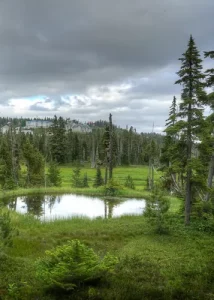
Beginner landscape photography can feel overwhelming at first, but a few simple habits will improve

I’ve been to Browns River Falls many times, and it’s one of those places I