Grand Opening & Black Friday Sale  =  50% Off 

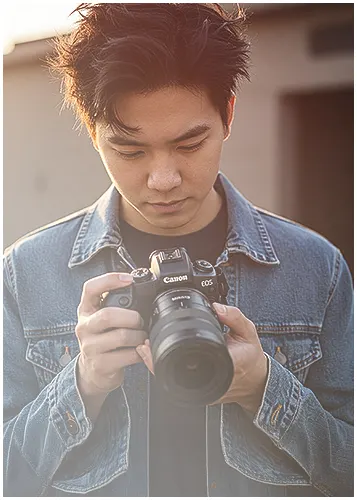
young man looking at his camera. Thinking about the common mistakes beginner photographers make
Down Arrow

Common Photography Mistakes Beginners Make

Starting photography can be exciting and a bit scary. You might feel like you’re not getting the results you want. But even pros make mistakes.

Blurry images are a big problem for beginners. This usually happens when the shutter speed is too slow, especially in the dark. Misfocusing, is where the camera focuses on the wrong thing, is another common issue. And then there’s camera shake, which can ruin a perfect shot. Plus, sensor dust can show up as tiny spots in your photos.

Learning from these mistakes is important for growing as a photographer. In this article, we’ll cover some common pitfalls and share tips to avoid. We’ll talk about mastering focus, understanding lighting, and taking more shots. So, let’s start!

Key Takeaways

  • Blurry images are most often caused by slow shutter speeds or camera shake.
  • Understanding focus settings can help you avoid misfocusing.
  • Regularly cleaning your camera sensor can prevent dust spots in your photos, which is a common mistake for Newbies
  • Practising with different lighting conditions improves your skills.
  • Taking multiple shots of a scene increases your chances of getting the perfect photo.

Table of Contents

Mastering Focus: How to Capture Sharp Images

Focus is crucial for every great photo. Whether it’s a portrait or a landscape, sharp focus makes a big difference. But getting it right can be tricky, especially for beginners. Let’s explore how to do it.

Manual vs. Auto Focus Techniques

Manual focus gives you full control, it’s great for precision, in portraits or macro shots. Just adjust the focus ring until your subject is sharp. Autofocus is faster and better for moving subjects, making it a preferred choice for many photographers. Use continuous AF for action shots to keep your subject sharp as it moves.

Fixing Camera Shake for Crisp Shots

Camera shake is a one of the top cause of blurry photos. To avoid it, keep your shutter speed at least as fast as your lens focal length (e.g., 1/50s for a 50mm lens). Use a tripod for stability, especially in low light. Image stabilization lenses can also help you obtain sharper handheld photos.

  • Use a tripod for low-light or slow shutter speeds.
  • Enable image stabilization for handheld shots.

Nailing Crisp, Detailed Photos

Understanding shutter speed is important for capturing sharp, vibrant images. Whether indoors or outdoors, mastering this your shutter can make a big difference.

Technique for Shutter Speed Adjustment

A slower shutter speed often leads to blur, especially in low-light conditions. To avoid this, try increasing your shutter speed. For example, indoor shots might require a speed of 1/1000th of a second for sharp results.

  • Match your shutter speed to your lens focal length (e.g., 1/200s for a 200mm lens).
  • Raise your ISO if needed, but keep it as low as possible to avoid noise.
  • Consider using a tripod for stability, especially in low-light situations.

Remember, practice makes perfect. Experiment with different settings to find what works best for you and your camera. With time, you’ll develop the skills to consistently capture crisp, detailed photos.

Enhancing Composition and Framing

Composition and framing are the backbone of any great image. They help guide the viewer’s eye and create a more engaging photo. Think of it as setting the stage for your subject to shine!

Finding the Perfect Angle

Boost your photos by trying different angles. Don’t be shy to shoot from low or high. A low angle can make your subject look powerful, adding depth of field to your composition. A high angle can make it seem more intimate. A trick my first instructor told me was to take a photo in portrait then again in horizontal. 

Balancing Light and Shadow

Light and shadow are key aspects in photography. Natural light during the golden hour adds warmth to your photos. If the light is too harsh, use shade to soften it. Aim for a balanced image that draws the viewer’s eye to your subject.

TechniqueDescription Example
Rule of ThirdsPlace your subject at the intersection points of the grid lines for more dynamic composition.Imagine a landscape where the horizon meets the top third line, creating depth and balance.
Leading linesUse lines in the scene to guide the viewer's eye to the subject, enhancing your landscape photography.A winding road that leads to a distant mountain peak.
FramingUse natural or man-made features to frame your subject.Archways or trees that create a natural frame around your subject.

Composition gets better with practice. Keep trying new things. Over time, you'll find your own style.

Gear and Equipment: From Kit Lenses to Prime Lenses

Starting with the right gear is important. Kit lenses are easy to use but might not be the sharpest. Prime lenses, like a 35mm or 50mm, often give better quality and help avoid blurry photos.

Optimizing Your Lens Choices

Kit lenses are good for beginners but have limits. Prime lenses offer sharper images and more interesting results. For example, a 50mm prime lens is great for portraits, and a 35mm is perfect for wider scenes. 

Lens TypeProsCons
Kit lensConvenient, lightweight, good for beginnersLess sharp, limited aperture range
Prime LensSharper images, better low-light performanceLess versatile than Pro level zoom

Minimizing Sensor Dust on the Go

Changing lenses outdoors can let dust in, causing spots in your photos. Use a blower or soft brush to clean. Always clean your gear and store it properly. A clean camera means crisp, spot-free photos.

Tackle Common Photography Mistakes in Post 

Post-processing is like adding the final touches to your masterpiece. While editing is tempting, remember that the best photos start with a solid foundation. Getting the shot correct in camera reduces the need for heavy editing later.

The Balance Between In-Camera and Digital Editing

Great photos are made in two stages. First, in your camera, and second, in post-processing. Skills like nailing focus, composition, and exposure during the shoot lay the groundwork. Then, digital editing refines these elements without overpowering them.

For example, adjusting the white balance or contrast can enhance your image without making it look overdone.

Avoiding Excessive Editing Pitfalls

Over-editing can make your photos look unnatural. For instance, boosting saturation too much can turn a serene landscape into a cartoonish scene. Instead, aim for subtle adjustments.

Use the histogram to ensure balanced exposure and avoid blown-out highlights or underexposed shadows.

  • Subtle edits maintain the integrity of your image.
  • Check the histogram to ensure balanced exposure.

Remember, practice makes perfect. With time, you’ll find the right balance between in-camera skills and post-processing. Keep experimenting, and don’t be afraid to seek feedback.

After all, the goal is to create images that tell your story with clarity and grace.

From “Spray and Pray” to Intentional Shooting

Ever found yourself snapping away, hoping one of those shots will be perfect? That’s the “spray and pray” method. While it might seem efficient, it often leads to a bunch of mediocre photos. Here’s the thing: intentional shooting yields much better results.

So, what exactly is “spray and pray”? It’s when you fire off shots without much thought, hoping to catch the perfect moment. But the truth is, this approach can make your photos feel chaotic and unplanned. Intentional shooting is the opposite, it’s about being deliberate with each shot, thinking about composition, light, and your subject before pressing the shutter.

Quality always beats quantity, especially when it comes to post-processing your images. Instead of hundreds of average photos, aim for a few that stand out. Each shot should have a purpose, whether it’s capturing a specific expression or a particular lighting effect. Remember, the goal is to tell a story, not just to fill up your memory card.

So, next time you pick up your camera, try being more intentional. Think before you shoot, and watch your photography transform from hit-or-miss to consistently great.

Effective Techniques for Battery and Memory Card Management

Managing your camera’s battery and memory cards is crucial for a smooth photography experience. Imagine being in the middle of a shoot, only to realize your battery is dead or your memory card is full. These small oversights can ruin even the best-planned sessions. 

Prep Your Equipment Before Every Shoot

Before you head out, charge your batteries. Bring extras if you have them, spares can be lifesavers. Check your memory cards too. Make sure they’re formatted and have enough space for all the photos you plan to take. A quick once-over can save you from missing that perfect shot.

Choosing the Right SD Card for Speed

Not all SD cards are the same. For video or quick shots, choose U3 or V30 cards. They write data fast, cutting down wait times. For stills, a Class 10 card is enough. 

SD Card TypeSpeedBest For
Class 1010MB/SecEveryday shooting
U330MB/Sec HDTD Videos, burst mode
V3030MB/Sec 4K Video

Here’s a suggestion. Set up a charging station at home for organization. Regularly check your gear for issues. A bit of prep avoids stressful problems. Make it a habit to review your equipment before shoots. With these tips, you’ll capture every moment perfectly.

Life cycle of common photography mistakes beginners make and how to avoid them.

Learning and Evolving as a Photographer

Photography is a lifelong journey of learning and growth. It’s filled with trying new things and making mistakes. The key is to embrace this journey and see every shot as a chance to get better.

Embracing Imperfection in Your Work

Every photographer has difficult days. Learn from them, as many photographers do when they make mistakes. Consider what you may do differently the next time instead of criticizing yourself. Even small changes can make a big difference.

Keeping a Shooting Journal for Growth

Keeping a shooting journal helps track your progress. Write down your settings, what worked, and what didn’t. Over time, you’ll see patterns and areas to improve. It’s also a way to celebrate your successes.

By embracing mistakes and documenting your journey, you’ll become a better photographer. Enjoy the process, and every click of the shutter is a step forward.

Conclusion

Here’s your guide to avoiding common photography mistakes and capturing wonderful images! Every click of your camera is a step forward. Whether mastering focus, trying new compositions, or enjoying the process, you’re growing.

Every “mistake” is a lesson in disguise. Understanding light, composition, and your gear will improve your photos. But it’s the time you invest and the joy you find in the process that truly matter.

With every shot, you’re not just taking photos, you’re telling stories, capturing moments, and growing as a photographer. 

Frequently Asked Questions

A common mistake that photographers make is focusing too much on gear and not enough on composition fundamentals, lighting techniques, and storytelling. Mastering these core skills often yields better results than simply upgrading equipment.

Learning photography takes 3-6 months to grasp basics and 1-3 years to develop advanced skills. The time depends on practice frequency, equipment access, and whether you focus on specific genres. Most beginners see noticeable improvement within the first few months of regular practice.

Our Latest Blogs