Grand Opening & Black Friday Sale  =  50% Off 

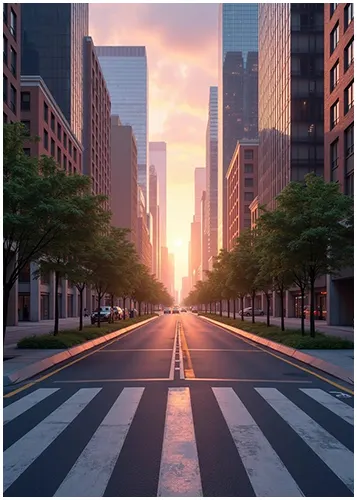
example of how do you balance a picture
Down Arrow

How do You Balance a Picture: Easy Composition Tips

Balance is the key to creating a fantastic photo. It’s the unsung hero of photography, quietly working behind the scenes to make your images pop. But how do you balance a picture to improve your shots?

Balance in photography is all about distributing visual elements to create a pleasing equilibrium within your frame. It’s like conducting an orchestra, where each instrument—be it colour, shape, or subject—plays its part in perfect harmony. 

This intricate interplay of elements can significantly impact your composition, shaping the way viewers perceive and engage with your images.

From the symmetry of a reflection on water to the dynamic tension of an off-centered portrait, balance comes in many forms. It’s not just about splitting your frame down the middle; it’s about creating a sense of visual stability that guides the eye and tells your story.

Whether you’re shooting landscapes , portraits, or street scenes, understanding balance can transform your photographs from excellent to great.

Key Takeaways

  • Balance creates visual harmony and guides the viewer’s eye.
  • Types of balance: symmetrical, asymmetrical, and radial balance.
  • Size, colour, texture, and position all affect visual weight.
  • The rule of thirds helps achieve balanced compositions.
  • Balancing elements enhances emotional connection and storytelling.
  • Practicing balance improves overall composition skills.

Table of Contents

The viewer’s perception of an image is influenced by balance.

Balance helps in how we see and feel about an image. When we look at a photo, our eyes search for harmony. A balanced image feels welcoming and lets our gaze move easily.

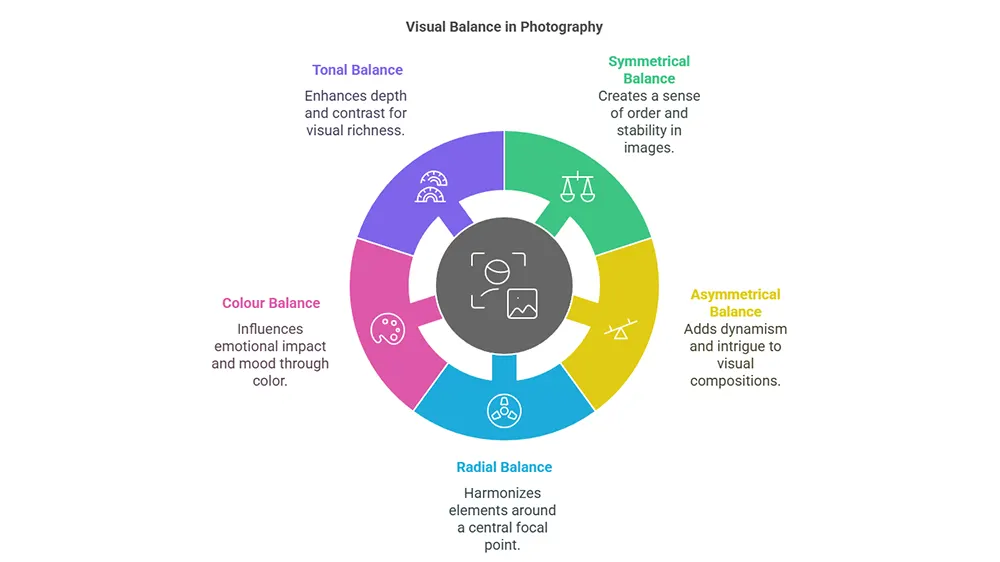
Visual weight is important for balance. Big objects, dark colours, and bold hues weigh more. By placing these elements wisely, photographers can achieve different balances:

  • Symmetrical: Equal weight on both sides of the frame
  • Asymmetrical: Place the subject offcentre for a more dynamic feel.
  • Radial: Elements radiate from a central point. 
  • Colour: vivid hues balanced with neutral tones.
  • Tonal: Contrast between light and dark areas

The arrangement of these elements shapes the image’s focal point and impact. Leading lines and symmetry direct our gaze. Intentional imbalance adds tension and interest.

Graphic example of how do you balance a picture

Knowing how balance affects perception helps you make more impactful photos. By learning these techniques, you can share your message and stir emotions in your viewers.

The relationship between balance and overall image impact

Balance is about shaping how the viewer see and feel about an image. It tells a visual story that connects with them. Using balance you use can change how your photos feel and look.

Symmetrical balance makes images feel stable and ordered. But too much symmetry can make things look too static. Near symmetry mixes things up, keeping them interesting.

Asymmetrical balance is a pro’s go-to. It uses size and colour to create motion and energy.  This method requires a keen sense of balance.

Tonal and colour balances are also important.  In black and white, light and dark balance each other. In coloured photos, bright colours feel heavier.

Balance is not something you find; it's something you create.

The balance you pick shapes your photo’s story. Whether it’s symmetrical, asymmetrical, or radial, each balance guides the viewer’s eye. Mastering these techniques makes your photos stand out.

How can I create balance in my photography compositions?

Creating balance in your photos is key to creating eye-catching images. It’s all about arranging elements within the frame to achieve harmony. Let’s explore some techniques to help you master this essential skill.

Leveraging colour and tonal balance in your photographs

Colour balance is key in photography. Use the colour wheel to find colours that go well together.  Bright colours can balance dull areas, making your photos more interesting.

Tonal balance is about using different shades to create harmony. Try balancing light and dark areas to guide the viewer’s eye through your image.

Balancing elements within the frame: size, shape, and placement

When taking a photo, think about the size, shape, and placement of elements. The rule of thirds is a useful starting point. Place key subjects along these lines or at their intersections.

Small objects can balance larger ones based on their position in the frame. Try both symmetrical and asymmetrical balance to see what works best for your subject.

Don’t be afraid to crop your photos to improve balance. Removing distracting elements can enhance your composition. By practising these techniques, you’ll create more compelling and harmonious photographs.

Looking to stretch your budget? We’ve got good news! Save an additional 10% use code bwild10

What role does negative space play in achieving balance?

Negative space is a key tool in photography. It makes your images stand out. It’s the empty space around your main subject, giving it room to breathe.

When used correctly, it enhances the interest and impact of your photos.

Using negative space to enhance your main subject

Negative space shines a spotlight on your main subject. It keeps the image clean and focused. By placing your subject off-center, you create balance and interest.

This works best in simple photos. The less there is, the more it conveys.

Creating balance between positive and negative space

It’s important to balance positive and negative space in your photos. The Rule of Thirds helps you place your subject. This balance brings stability and can change the mood of your photo.

Remember: bright colours grab attention.  A small, bright subject can stand out against a big, calm background.

ElementEffect on Balance
Brightness Brighter areas draw more attention.
ColourWarm colours attract more attention.
SizeLarger objects carry more visual weight.
TextureThe image gains depth and intrigue.

Learning to use negative space well can make your photos beautiful and meaningful. 

How can I use depth of field to balance my compositions?

Depth of field is one tool for balanced photos. It helps decide what’s in focus, guiding the viewer’s eye. This can makes the foreground and background work together well.

Balancing foreground and background elements

Think about the foreground and background when setting up your shot. A shallow depth of field can make your subject stand out. It blurs the background, creating contrast.

On the other hand, a deep depth of field balances everything in the frame. It’s excellent for landscapes, keeping everything sharp from front to back.

Selective focus creates visual harmony.

Selective focus is excellent for balancing a photo. It lets you pick what’s sharp, adding depth and guiding the viewer’s eye.

Here’s a table showing how different f-stop values change depth of field:

F-StopDepth Of FieldEffect on Composition
f/1.8 - f/2.8Very shallowIsolates subject, blurs background
f/4 - f/5.6ModerateBalances subject and background
f/8 - f/11DeepKeeps most elements in focus
f/16 - f/22Very deepSharpness from foreground to background

Mastering depth of field lets you make stunning, balanced photos. These photos will grab your audience’s attention.

When should I consider using balance in my photography?

Breaking the rules can make for amazing photos. Balanced shots are common, but unbalanced ones can be more interesting. They can stir strong feelings. Let’s explore the appropriate times and techniques for incorporating unbalance into your photographs.

The deliberate imbalance creates tension and interest.

Unbalanced shots can make your photos more lively. By placing things off centre, you create tension. This draws the viewer’s eye and can show movement or instability.

Here are some tips for using Unbalance:

  • Place your subject near the edge of the frame.
  • Use extreme negative space.
  • Experiment with tilting your camera.
  • Include contrasting colours or sizes.

Unbalanced compositions: Tips and techniques

To get good at unbalance, try these methods:

  • Use the rule of thirds in reverse.
  • Play with visual weight by placing larger objects off centre.
  • Use bright, warm colours to draw attention to specific areas.
  • Experiment with unconventional cropping.

Remember, using unbalance on purpose can be very powerful. It can show isolation, create tension, or tell a unique story. Keep practising to find the right amount of unbalance for your style.

Balance CompositionUnbalanced Composition
Creates calmness and peaceEvokes tension and dynamism
Easier to view and understandChallenges viewer expectations
Suitable for tranquil scenesEffective for action or emotion
Guides the viewer's eye smoothlyCreates visual intrigue and interest

How can I improve my ability to recognize and create balance?

Getting better at balance in photography takes practice and study. You’ll make images that grab people’s attention. Here are some ways to improve your balance skills in photos.

Develop your eye for balance by practising composition techniques.

To get better, try these exercises:

  • Try the rule of thirds, symmetry, and leading lines in different types of photos.
  • Use bright colours and empty spaces to make your photos look good.
  • Practice balancing different sizes and shapes in your photos.
  • Shoot in RAW format for better editing options.

Analyzing balanced photographs from master photographers

Examine the work of renowned photographers to gain valuable insights.

  • See how they use colour, shape, and size to control visual weight.
  • Notice how they use positive and negative space in their photos.
  • See how they mix sharp and blurry parts for depth.
  • Look at their use of symmetrical and asymmetrical balance.

 By practising these tips, you’ll get better at balance and make more striking images.

Conclusion: How do you balance a picture?

Balancing a picture is an art that mixes skill with creativity. To balance a photo, think about the visual weight of things in your frame. This includes size, colour, positioning, and texture. By mastering these, you can make pictures that lead the viewer’s eye and stir feelings.

Perfectly balanced photos exude calmness. But don’t be afraid of asymmetry,it works as well.

Symmetry can make images serene, but a bit of imbalance adds tension. This is particularly beneficial for vertical shots or panoramas, as they highlight the differences in space.

As you practice, you’ll get better at balancing photos. You’ll learn to spread visual weight well across your frame.

Our Latest Blogs