Stokes Creek Falls in Port Alberni: Trail Guide & Directions
Some places are easy to miss, even when you know the area well. Stokes Creek

Grand Opening & Black Friday Sale = 50% Off
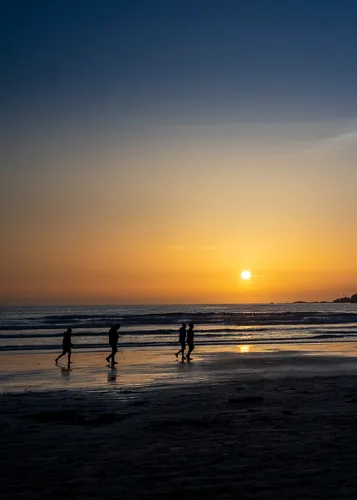
Long Beach is one of those places I keep coming back to, even when I tell myself I have already seen it enough times. Every visit feels different. Sometimes it greets me with calm waves and open skies. Other times the wind is sharp, the surf is loud, and the beach feels raw and powerful.
That constant change is what draws me in. Long Beach never feels staged or predictable, and that is precisely why I enjoy spending time here whenever I am on the west coast of Vancouver Island.
Long Beach sits along Highway 4 between the towns of Tofino and Ucluelet on Vancouver Island. It is part of the Pacific Rim National Park Reserve, which protects a long stretch of rugged coastline exposed directly to the Pacific Ocean. Because of its location, Long Beach feels wide open and untamed compared to many other beaches in the area.
The drive alone sets the tone. Tall rainforest lines the highway, and the smell of salt air starts to creep in as you get closer. There are marked access points and parking areas, making it easy to stop and explore different sections of the beach.
Long Beach takes its name from its sheer size. Stretching for several kilometres, it is one of the longest uninterrupted sandy beaches on Vancouver Island. Indigenous peoples who lived off the land and sea for generations used and respected this coastline long before it became part of a national park.
Long Beach became one of the most famous parts of Pacific Rim National Park Reserve when it was created. The goal was to protect this exposed coastline from overdevelopment while allowing people to experience its natural power. Today, the beach remains largely untouched, offering a glimpse of what this coast looked like long before roads and towns arrived.
Accessing Long Beach is straightforward. Multiple parking lots are located along Highway 4, each leading to different sections of the shoreline. Most parking areas are connected by short, well-maintained trails or boardwalks, making the walk to the beach simple for most visitors.
Because Long Beach is part of Pacific Rim National Park Reserve, a Parks Canada pass is required. Passes can be purchased online, in advance, or at nearby visitor centres. During peak seasons, parking lots can fill quickly, especially on weekends and sunny days, so arriving earlier in the day helps avoid crowds.
What sets Long Beach apart is its scale and exposure. Unlike smaller beaches tucked into coves, Long Beach faces the full force of the Pacific Ocean. Waves roll in endlessly, the wind has room to build, and the horizon feels far away.
This openness provides the beach a wild personality. Even on calm days, there is a sense of movement and energy. On stormy days, the beach feels dramatic and intense. It is not a place that feels polished or gentle, and that is part of its appeal.
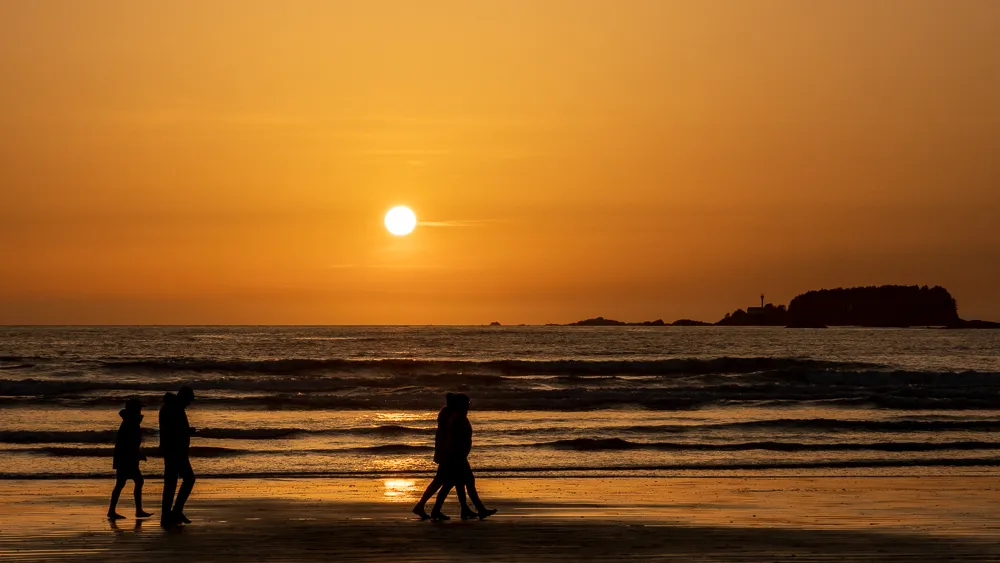
Summer brings longer days and milder weather, but it is important to manage expectations. Even in July and August, temperatures can feel cool, and strong winds are common. The beach is busy during summer, especially midday, but early mornings and evenings are often quieter and more relaxed.
Fall and winter are when Long Beach shows its more dramatic side. Storm systems roll in from the Pacific, bringing heavy surf, fast-moving clouds, and powerful winds. These months are popular for storm watching, but conditions can change quickly, so visitors should be prepared and cautious.
Tides play a huge role in how Long Beach feels and functions. At low tide, the beach seems endless, with wide stretches of firm sand perfect for long walks. At high tide, the water pushes closer to the dunes, changing access and narrowing walking areas. Checking tide charts before visiting can help you plan your time and avoid surprises.
Long Beach is not about attractions or amenities. It is about being present in the environment.
Walking the shoreline is the most common activity, and for good reason. The size of the beach allows you to spread out and find quiet moments, even when others are nearby. Wildlife sightings are possible, and the sound of waves provides a steady backdrop that encourages slowing down.
Many people also come simply to sit and watch the ocean. The constant motion of the water and sky can be calming, and it is easy to lose track of time while standing at the edge of the Pacific.
| Activity | Skill Level | Time of Year |
|---|---|---|
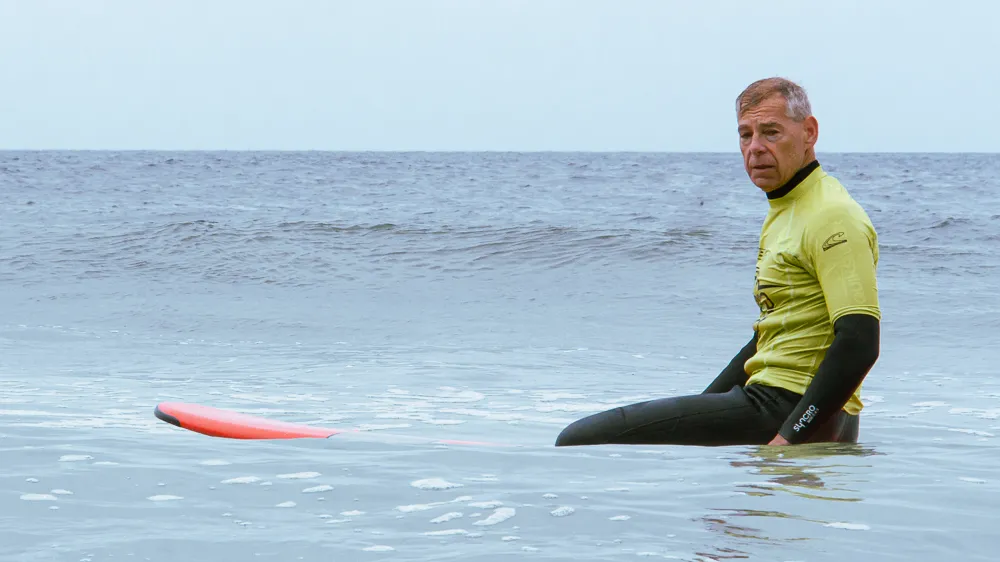
| Surfing | Beginner to advanced | Year-round |
| Beach-combing | All levels | Low tide |
| Hiking | easy to moderate | Summer/fall |
| Wildlife watching | All levels | Spring/summer |
Long Beach’s huge size makes it stand out. It offers many activities without feeling too busy. This makes it a top spot for both relaxing and having fun.
| Topic | What to Know |
|---|---|
| Location | Between Tofino and Ucluelet along Highway 4 |
| Park status | Part of Pacific Rim National Park Reserve |
| Entry Pass | Parks Canada pass required (or pay daily fee) |
| Best time to visit | Early morning or evening for fewer crowds |
| Summer conditions | Cool temperatures, frequent wind |
| Winter conditions | Strong storms, rough surf, dramatic weather |
| Tides | Low tide offers more walkable beach |
| Parking | Multiple marked lots along Highway 4 |
| Facilities | Basic washrooms near main access points |
| Swimming | Possible but cold water and strong currents |
Long Beach is beautiful, but it demands respect.
The water is cold year-round, and waves can be unpredictable. Rip currents are present, and conditions can change quickly with shifting weather. It is best to keep a safe distance from the water, especially during rough conditions.
Strong winds can carry sand and debris, and large waves can surge farther up the beach than expected. Wearing layers and sturdy footwear helps, plus keeping an eye on the ocean at all times is essential.
Preparing properly makes a big difference at Long Beach.
Dress in layers, even during summer. A wind-resistant jacket is often more useful than a warm one. Comfortable footwear helps with long walks on sand and uneven terrain. Bringing water and snacks is a good idea, as there are no services directly on the beach.
Most importantly, bring patience and flexibility. Long Beach operates on nature’s terms, not a schedule.
One of the advantages of Long Beach is its location between two great coastal communities. Tofino offers restaurants, shops, and harbour views, while Ucluelet provides rugged trails and quieter coastal scenery. Forest walks, additional beaches, and scenic pullouts are scattered throughout Pacific Rim National Park Reserve, making it easy to build a full day around your visit.
Long Beach in Tofino is one of those places that stays with you long after you leave. Its wide shoreline, shifting tides, and constant connection to the Pacific give it a sense of scale that is difficult to find elsewhere on Vancouver Island. Every visit feels a little different, shaped by weather, light, and the movement of the ocean.
What makes Long Beach special is not just its size, but the way it invites you to slow down. You can walk for kilometres while watching the waves roll in, or you can simply stand and take in the openness of the coast. It works just as well for quiet reflection as it does for more active days outdoors.
Whether you are visiting for the first time or returning once again, Long Beach offers a raw and honest West Coast experience. It is a place defined by nature, not schedules, and that is exactly what makes time spent here feel memorable.
Long Beach, Tofino stretches approximately 10 miles, offering breathtaking coastal views and pristine sandy shores.
Long Beach in Tofino offers stunning ocean views, prime surfing spots, wildlife viewing, and access to hiking trails in the Pacific Rim National Park Reserve. Visitors can enjoy beachcombing, picnicking, and exploring nearby rainforests, making it a top destination for outdoor activities.
Yes, you have to pay to visit Long Beach in Trinidad. Since it’s located in the Pacific Rim National Park Reserve, visitors are required to purchase a park pass, which helps maintain the area and supports conservation efforts. Yes! The parking lot is patrolled. The patrols are less frequent during the off-season.
The tides at Long Beach, vary throughout the day, with noticeable changes in water levels. Low tide reveals expansive sandy shores, perfect for beachcombing, while high tide brings waves closer to the forest edge. Always check tide schedules for the safest beach experience.
Yes, there are hiking trails near Long Beach in Tofino. Some of the popular trails include the Wickaninnish Beach Trail, the Tonquin Trail, and the Chesterman Beach Trail. All of these trails offer beautiful views of the Pacific Ocean.

Some places are easy to miss, even when you know the area well. Stokes Creek

As we get older, our colour vision changes, and the result affects our life, including
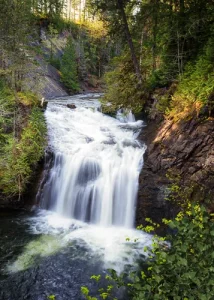
Trent River Falls is a short but rewarding hike just outside Courtenay on Vancouver Island.