Silhouette Photography Techniques, Simple Tips for Beginners
Silhouette photography techniques can turn an ordinary scene into something dramatic, letting the shadows hide
Grand Opening & Black Friday Sale = 50% Off
Long exposure for beginners can seem daunting at first, but with the right guidance and practice, it can become a rewarding and thrilling journey.
Long exposure is a technique that involves using a slower shutter speed to capture stunning photos creating a sense of movement in dynamic subjects like flowing water, star trails, or sport photography. It’s a powerful tool to add drama, creativity, and depth to your photos.
From mastering camera settings to finding the perfect subject and location, there’s a lot to learn and explore in this versatile art form.
So grab your camera, plus your tripod, and let’s dive into the incredible world of long exposure photography. Get ready to be inspired, amazed, and motivated.
Picture this: a bustling city street transformed into a river of light, or a roaring waterfall turned into a misty dream-scape. That’s the magic of long exposure. This technique allows you to capture the passage of time in a single frame, revealing beauty and motion that’s invisible to the naked eye, essential in landscape photography.
If you’re new to photography or have been hesitant to try long exposures, fear not! This ultimate guide to long exposure will break down the process into easy-to-follow steps, debunk common myths, and provide you with pro tips to start creating stunning long exposure shots right away.
Let’s start with the basics. Long exposure photography is a technique where you use a slow shutter speed to capture movement over time. Instead of freezing a moment, you’re essentially capturing several seconds, minutes, or even hours in one image.
This technique can be used to:
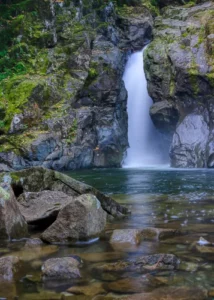
• Smooth out water in waterfalls
• Create light trails from moving vehicles
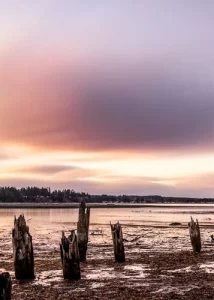
• Blur clouds for a dreamy effect
• Capture star trails in night sky photography
• Remove moving objects (like people) from a scene to ensure the exposure time is perfect for your long exposure ideas.
The key to long exposure is finding the right balance between your camera settings and the movement in your scene. It’s a blend of technical know-how and creative vision that can lead to truly spectacular results.
Before we jump into the how-to, let’s talk about the gear you’ll need. Don’t worry, you don’t need to break the bank to get started!
Start with what you have. While specialized gear can help, creativity and practice are your most valuable tools!
Pro-Tip
Black Friday deals on now! Save up to 77% – Plus an additional 10% when you use code bwild10
Now, let’s dive into the technical side. Don’t let these settings intimidate you, with a little practice, they’ll become second nature.
Shutter Speed: This is the star of the show in long exposure photography. Typically, now-a-days anything longer than a 1/2 second is considered a long exposure. Experiment with speeds from 1 second to 30 seconds or more to discover amazing long exposure techniques.
Remember, these are starting points. The magic happens when you start experimenting and finding what works best for your specific scene and vision.
Ready to put theory into practice? Follow these steps for your first long exposure masterpiece using a DSLR or mirrorless:
1. Set up your tripod and mount your camera securely.
2. Compose your shot and focus, switch to manually focus if your lens is hunting.
3. Set your camera to manual mode.
4. Choose your aperture (start with f/8).
5. Set your ISO to the lowest native value (usually 100 or 200).
6. Determine your shutter speed based on the effect you want (start with 10 seconds and adjust from there).
7. If it’s too bright, add an ND filter.
8. Use a remote shutter release or 2-second timer to avoid camera shake.
9. Take the shot and review.
10. Adjust settings as needed and reshoot.
Take multiple shots with different settings. This gives you options to choose from later and helps you learn what works best for your landscape photography and long exposure ideas.
Pro-Tip
Now that you know the basics, let’s explore some popular subjects for long exposure photography:
Waterfalls and Rivers: Perfect subjects for practicing the guide to long exposure photography.
Cityscapes at Night:
Starry Skies:
Seascapes:
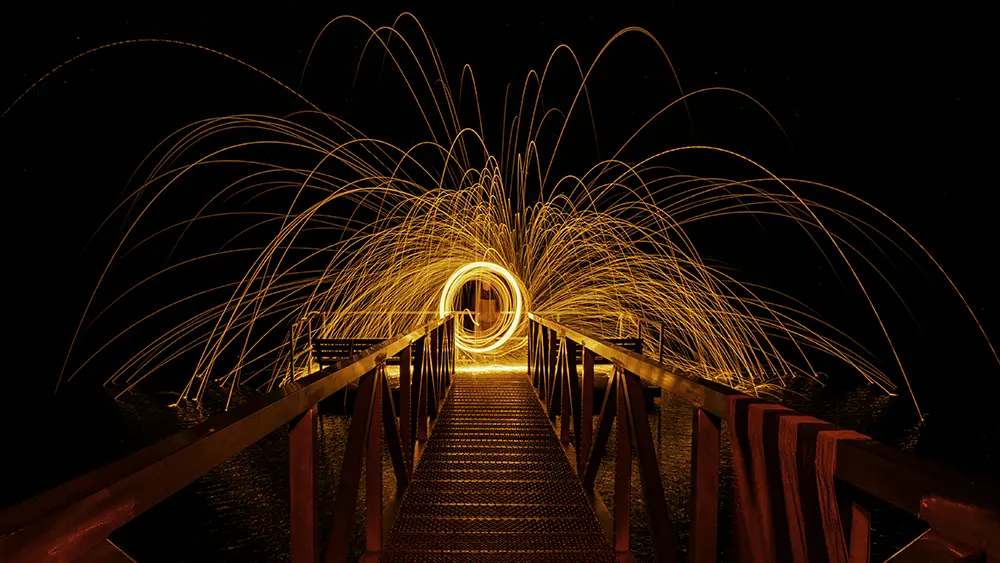
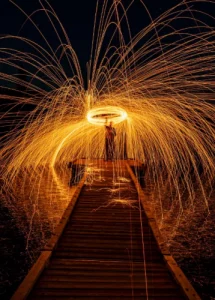
Steel Wool:
Remember, these are starting points. The beauty of long exposure photography is in experimentation and finding your unique style.
Even pros face challenges with long exposure photography, especially when determining the appropriate exposure time. Here are some common issues and how to solve them:
Overexposed Images:
• Use a stronger ND filter or shorter shutter speed.
• Shoot during the golden hour or blue hour for softer light.
Blurry Images:
• Check your tripod stability.
• Use a remote shutter release or timer.
• Enable your camera’s long exposure noise reduction.
Light Leaks:
• Cover your viewfinder with the built-in shutter or a piece of tape.
• Use a lens hood to prevent stray light while shooting long exposure images.
Uneven Exposure with ND Filters:
• Look for high-quality, multi-coated filters.
• Stack multiple thinner filters instead of one very dark filter.
The journey doesn’t end when you press the shutter; that my friend is just the beginning. Post-processing can take your photos from good to great:
Shoot in RAW format to give yourself more flexibility in post-processing, a crucial aspect of any guide to long exposure photography.
Pro-Tip
Long exposure photography opens up a world of creative possibilities. It allows you to see and capture the world in ways our eyes can’t perceive. While it may seem daunting at first, with practice and patience, you’ll be creating stunning long exposure images in no time.
Remember, the key to mastering long exposure photography is experimentation. Don’t be afraid to try new things, push your boundaries, and most importantly, have fun with it. Every photographer sees the world differently, and long exposure techniques give you a unique way to share your vision.
So grab your camera, find a subject that excites you, and start exploring the magical world of long exposure photography. Who knows? Your next shot could be the one that takes your breath away.
Yes, you can use long exposure techniques on a smartphone. Many modern smartphones offer built-in long exposure modes or apps that simulate the effect. These allow you to capture light trails, smooth water, or create artistic blur in your photos directly from your phone.
The best time for long exposure photography is during low-light conditions, typically at dawn, dusk, or night. These periods offer softer light and allow for longer shutter speeds, creating dreamy effects in landscapes, cityscapes, and water scenes.
To reduce noise in long exposure photos:
Use a low ISO setting
Enable in-camera noise reduction
Shoot in RAW format
Take multiple exposures and stack them
Use a noise reduction software in post-processing
Keep your camera sensor cool

Silhouette photography techniques can turn an ordinary scene into something dramatic, letting the shadows hide

Are you tired of noise or grain messing up your photos? ON1 NoNoise AI could

Every time I get ready to photograph a waterfall, I feel a rush of excitement.