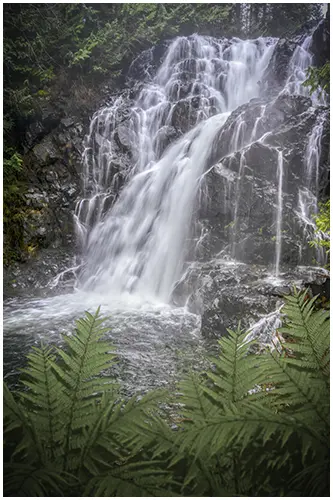
Trent River Falls Vancouver Island: Hiking Trail Guide
Trent River Falls is a short but rewarding hike just outside Courtenay on Vancouver Island.
Grand Opening & Black Friday Sale = 50% Off
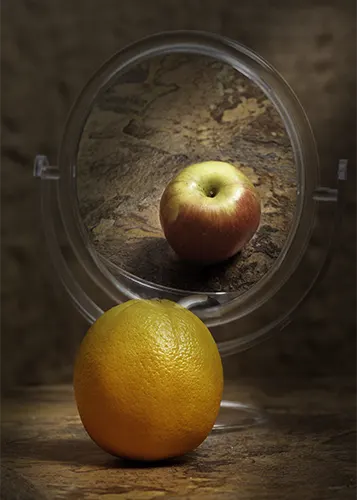
Have you ever looked at a photo that made you uneasy? It could be because it’s unbalanced! So, what is balance in photography. It’s all about making sure the different parts of your photo work together harmoniously. When a photo is balanced, it feels stable and pleasing to the eye. But when it’s unbalanced, it can be distracting and confusing.
In this post, we’re going to explore what happens when your photos are unbalanced, learn how to spot those pesky imbalances, and even discover how to use asymmetrical balance on purpose to create cool effects!
Think of your photo as a seesaw. Everything in the picture has a certain visual “weight.” Big things, bright things, and things placed near the edges or top of the photo generally weigh more.
Here’s a table summarizing what affects visual weight:
| Factor | Impact on Visual Weight |
|---|---|
| Size | Larger objects weigh more than smaller ones. |
| Colour | Bright, warm colours (like reds and oranges) weigh heavier. |
| Tone | Dark areas weigh more than light areas. |
| Texture | More textured objects tend to weigh more in terms of visual balance. |
| Position | Objects that are higher in the frame, farther from the centre, or more isolated tend to weigh more. Objects on the right side of the image often appear heavier. |
So, what makes a photo unbalanced? Here are a few common culprits:
What happens when your photos are out of balance?
Here’s the exciting part: you can intentionally use imbalance to create stunning effects! It serves as a valuable tool in your photography arsenal.
Here are some tips for effectively leveraging imbalance:
Experiment! Play around with different degrees of imbalance to see what works best.
Looking to stretch your budget? We’ve got good news! Save an additional 10% use code bwild10
Are you prepared to master the art of balance in photography? Here are a few tips to get you started:
Whether you’re aiming for perfectly balanced photos or intentionally breaking the rules, understanding balance is key to creating strong, compelling images. So, go out there and experiment! Find your own photographic equilibrium and create photos that truly captivate your viewers.
Unbalanced composition in photography occurs when elements have uneven visual weight within the frame, creating tension like an uneven seesaw. This intentional imbalance can impact how viewers perceive and engage with the image.
Balance in photography comes in three main forms: symmetrical balance (mirrored elements), asymmetrical balance (dynamic equilibrium), and radial balance (centred composition). Each technique creates unique visual harmony in photographic composition.
The rule of thirds divides your photo into nine equal parts using two vertical and two horizontal lines. Place your subject along these lines or at their intersections to create balanced, engaging compositions with natural eye flow.
How can compositional imbalance enhance creative work? Intentionally unbalanced elements in photography and art can create visual tension, spark interest, and provoke deeper engagement. Perfect symmetry isn’t always the answer; strategic imbalance often produces more compelling results.

Trent River Falls is a short but rewarding hike just outside Courtenay on Vancouver Island.

Backing up photos to the cloud protects your memories from loss, damage, or device failure,

The first thing you notice at Little Qualicum Falls is the sound. Long before the