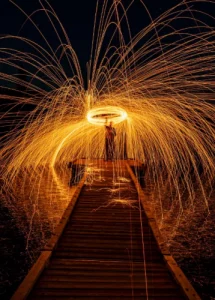
Spinning Fire: A Guide to Steel Wool Photography
I think steel wool photography creates some of the most amazing images you can capture
Share the Love This Valentine’s Day – 25% Off


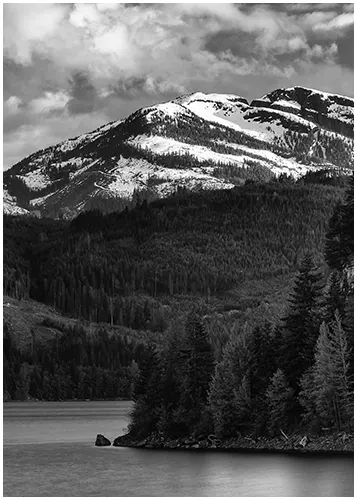

Black and white nature photos are reminiscent of the past, emphasizing contrast, texture, and the most striking shapes. By ditching colour, you’ll have people zooming in on what Mother Nature’s has to offer.
Imagine taking pictures of mountains that seem to have seen it all, forests whispering secrets, or oceans with tales as old as time. Going monochrome cranks up the drama and spins a tale that’ll keep folks hooked.
Lighting is your best ally in this world of black & white, with all shades of grey, especially in low light conditions. Shadows serve as silent storytellers, while contrast plays a crucial role.
Well, it’s the drama queen we all secretly love. Consider the interplay between each element as you compose your shot.
Black & white stand out in the grand mix of visual arts for a bunch of reasons. For starters, it lets you showcase raw emotion. With no colour or distract, the magic of light and shadow steps into the spotlight.
Going monochrome gives your shots a bit of a throwback vibe. It’s akin to stepping into a time machine, but with a touch of sophistication. If you’re just starting out, black & white can help you keep it simple, giving your creativity a stage to perform without the wah-wah-wahs of colour hogging the show.
But hey, black & white photography isn’t just about the look. It’s about sharpening those skills of catching details, helping you see past just the colours. This can enhance your overall photography skills, leading you to experiment with various photo styles.
| Thing to Note | Why It Rocks |
|---|---|
| Feelings | Brings out emotions, and the scene’s mood |
| Highlights | Puts the spotlight on shapes, cool patterns, and textures |
| Old School Vibe | Gives your pix a classic, never-goes-out-of-style look |
Once you develop a passion for black-and-white photography, you’ll be exploring and creating images that evoke strong emotions.
What could be more exciting than delving into the art of capturing breathtaking black and white nature photos?
Contrast is just the fancy term for the gap between the lightest lights and the darkest darks. For black and white shots, it’s crucial to add depth and keep things spicy. Keep your peepers peeled for naturally contrasting spots in your scenes.
| Contrast Element | Description | Example |
|---|---|---|
| High Contrast | Bold differences between light and dark | A sunlit patch next to a pitch-black shadow creates dynamic negative space. |
| Low Contrast | Soft shifts in tones can enhance the beauty of a black and white image. | A foggy morning with blended shades |
Notice how nature’s elements play off each other. High-contrast scenes grab attention and make your photos scream, “Look at me!” Weaving this into your shots ups the wow factor.

Looking to stretch your budget? We’ve got good news! Save an additional 10% use code bwild10
Lines and patterns are like breadcrumbs that lead viewers through your photograph. Nature’s brimming with these, from twisty rivers to rugged tree bark. Hunt for lines that steer your viewer eyes to the heart of your picture.
| Line Type | Description | Application |
|---|---|---|
| Leading lines | Guide the viewer's gaze to a subject | Think roads, paths, or rivers |
| Horizontal Lines | Bring calm and stability vibes | Capture serene horizons or relaxed layers in scenery for a stunning art photography collection. |
| Vertical Lines | Exude power and toughness | Focus on towering trees or sky scraping mountains |
Light’s your secret sauce in photography, even more so in B&W. Shadows can add depth, and highlights crank up the contrasts. Flex your inner scientist and experiment with how light plays with your subjects.
| Light Condition | Image Vibe |
|---|---|
| Harsh light | Deep shadows and stark contrast |
| Soft Light | Smooth tone transitions |
| Back lighting | Outlines and silhouettes |
Get out at different times of the day to see how light gives your photos a makeover. Looking to add a gloomy vibe? Visit our page on moody black and white landscapes for tips on how timing and weather spice up light and shadow in your pics. These composition hacks will sharpen your eye for B&W nature photography, levelling up your skills and sprinkling your shots with magic. Dive into the fun and let creativity be your guide.
...Bob
Picking subjects that pack a punch is your first step to snapping stunning B&W nature photos. Strong shapes, textures, and contrasts are what you’re looking for, things that will captivate your viewer.
Here’s what to keep an eye out for:
| Subject Type | What to Look For |
|---|---|
| Trees | Twisting branches and unique bark can create striking compositions that highlight the art form of photography. |
| Rocks | Interesting textures, cracks, patterns |
| Water | Flow movement, reflections |
| Wildlife | Unique poses, natural settings |
| Flowers | Petal shapes, shadows, and outlines |
It’s all about how the light dances with these subjects, creating that dramatic flair with the stark contrasts of black against white.
What gives your black-and-white pics that wow factor? Texture! When there are no colours present, the texture becomes the primary focus. Here’s some simple advice to bring those textures to life:
| Technique | What to Do |
|---|---|
| Close-up Shots | Get in real close to catch those tiny details—think of the veins on a leaf or the rugged bark on a tree. |
| Play with light | Move your light source around. Light from the side can really make those textures pop with high contrast shadows. |
| Mixing Different Textures | Spot different textures together. Imagine rough stones next to smooth water—all about the contrast. |
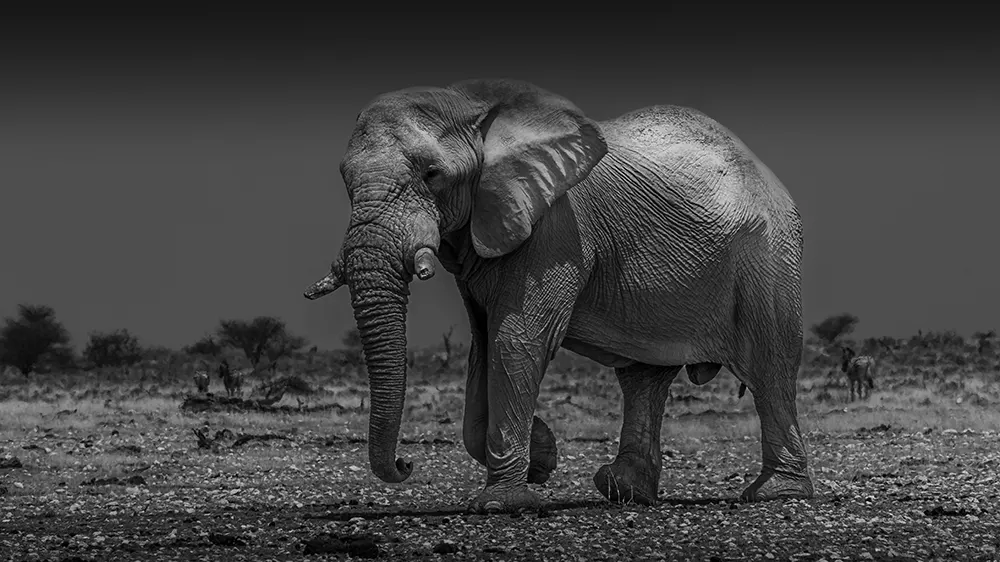
Once you’re comfy with textures, zero in on those tiny details in your photography. This pulls viewers into your shot, making them feel like they’re right there. Here’s how you can nail it:
| Tip | How It Works |
|---|---|
| Use a Macro Lens | Got a macro lens? Perfect! Catch those tiny things you might miss otherwise. |
| Mess with Depth of Field | Tweak your aperture a bit, keeping your focus sharp on the subject while blurring the background. |
| Find Patterns | Nature loves patterns. From mountain lines to how leaves stack, these patterns can make your photos captivating. |
Getting these details right can level up your black-and-white nature game. And hey, if you’re itching to learn more, check out our article on monochrome landscape photography techniques. It’s got some extra tips to boost your skills.
Getting your black and white nature photography to pop is all about the magic you work after taking the shot. Take those monochrome masterpieces to whole new heights. Let’s look at this, turning colour into art, tweaking contrast, and making every detail sing.
Amping up your photos after the shoot is where the magic happens. Here’s how to give those nature shots an extra oomph:
| Technique | What It Does |
|---|---|
| Adjusting Contrast | Makes highlights jump out. |
| Fine-tuning Shadows | Adds depth by bringing out more details. |
| Dodging and Burning | Enhances features by working on areas. |
| Using Filters | Sets the mood with digital flair, especially when utilizing presets in your editing process. |
Kicking things off, you gotta ditch the rainbow hues and embrace the shades of grey. It’s about seeing without distraction and letting tones take center stage, much like the work of Ansel Adams.
Here’s some insider info on how you can do it:
| Method | What it Does |
|---|---|
| Grey-scale | The classic move, strips the colours out, leaving you with a straightforward black-and-white snap. |
| Channel Mixing | Tweak the RGB sliders to play around with how colours morph into shades. Get creative with your DSLR! |
| Black and White Adjustment Layer | This tool in your editing software lets you mess with colour brightness in the final look, offering more artistic control. |
With your photo sipping on some grey scale magic, it’s time to up contrast to make those visuals pop. Here’s how you can fine-tune the vibe:
| What to Tweak | Why It Works |
|---|---|
| Pump Up Contrast | Makes the darks darker and the lights lighter, lending depth and drama to your snaps. |
| Brightness Check | Tweak overall light to make your picture moody or bright, whatever suits your style. |
| Shadows and Highlights | Dial in these areas to draw out hidden details and keep things balanced throughout. |
Just mess around with these settings and watch your work turn from good to jaw-dropping. Knowing how to wield tonality is key to nailing black and white shots.
Fine-tuning tweaks are where the magic really happens, much like the techniques used by pioneer photographers.
Here’s what to focus on:
| Tweak Zone | How to Use It |
|---|---|
| Sharpness | Give details a nip and tuck for texture using Lightroom, but don't go overboard and stir up noise. |
| Noise Control | Smooth out graininess with noise reduction, especially lurking in those darker corners. |
| Cropping | Slice and dice for a killer composition and cut the clutter—using presets can make viewers stop and feel. |
Dialing in these tweaks will polish off your images, giving them the wow factor. For some fresh ideas, wander through our stash of moody black and white landscapes and see how various tweaks can transform the mood of your shots.
Putting in the effort post-snap can really make your black and white nature pieces pop, ensuring your work gets noticed.
Black and white nature photography turns ordinary scenes into striking stories by highlighting contrast, texture, and light. Without colour distractions, focus on the raw emotion of a foggy forest, the jagged lines of a mountain, or the delicate patterns in tree bark.
Use strong shadows and bold compositions—like leading lines or dramatic lighting—to guide your viewer’s eye and add depth.
Experiment with exposure to capture crisp details in shadows or silky highlights, and don’t forget to polish your shots in editing by tweaking contrast or cropping out distractions. Whether you’re drawn to the stark drama of high-contrast landscapes or the quiet elegance of foggy mornings, black and white photography sharpens your eye for details and deepens your connection to nature’s artistry. Every monochrome shot presents an opportunity to perceive the world from a fresh perspective and reveal its hidden narratives.
I think steel wool photography creates some of the most amazing images you can capture
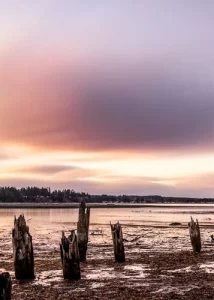
Long exposure photography is a technique that uses slow shutter speeds to capture silky smooth
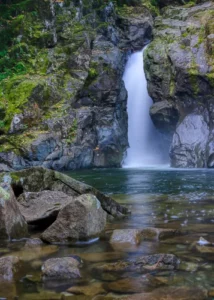
The first time I went to the Medicine Bowls in Courtenay, it felt like a