Share the Love This Valentine’s Day – 25% Off

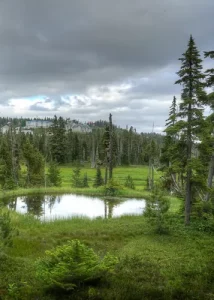
example of composition in forest photography
Down Arrow

Tips For Mastering Composition in Forest Photography

Struggling with your composition in forest photography , do you find taking photos in the woods mind-boggling? The woods are a natural wonderland, offering endless opportunities to explore and create stunning visual stories. From the towering trees to the delicate details on the forest floor, every element plays a role in crafting compelling imagery. Whether it’s using leading lines to guide the viewer’s eye, harnessing the interplay of light and shadow, or finding symmetry in nature’s chaos, mastering composition is key to transforming ordinary scenes into extraordinary photographs.

In this guide, we’ll uncover the secrets to capturing its magic, from selecting the right equipment and understanding lighting to ethical practices and post-processing tips. Whether you’re a novice or an expert, hopefully these tips will improve your woodland photography and help you capture nature’s essence. Let’s dive into the art of forest photography and bring the woods to life!

Key takeaways

  • Leverage natural lines/patterns (trees, paths) for depth and focus.
  • Prioritize golden/blue hour lighting for mood and color enhancement.
  • Use a tripod and polarizer to stabilize shots and reduce glare.
  • Respect ethical practices (Leave No Trace, minimal disruption).
  • Edit strategically (vignettes, color correction) to refine without overprocessing.

Table of Contents

Embracing Nature’s Canvas

The woods present a tapestry of life, a complex canvas where every leaf and twig contributes to the masterpiece of nature. For a photographer, embracing this canvas means tuning into the intricate details and vast landscapes that it offers.

The Lure of the Woods for Photographers

The forest’s ever-changing moods and scenes provide a rich playground for photography composition, making it a paradise for visual storytelling.

Preparing for Your Photographic Expedition

Selecting the right equipment

Selecting the right equipment is a critical first step. To start, you won’t need the most expensive gear; the key is to be familiar and comfortable with the tools at your disposal.

I can’t stress this enough never leave home  without your tripod. It will stabilize your camera and avoid those blurry images, when shooting in low light conditions. Which you’ll find often in the forest.

Understanding the Forest’s Unique Lighting

Understanding the unique lighting conditions is like learning a new language that only the woods can speak. By paying attention to natural light patterns, such as the dappled sunlight piercing the canopy, you can anticipate and prepare for the shot that captures the enchanting ambience.

Forests offer diverse lighting, which can vastly alter the mood and outcome of your photographs.

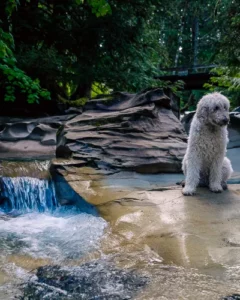
example of composition in forest photography

Composition Techniques for Stunning Shots

Utilizing natural patterns and lines.

Natural patterns and lines act as their own guides, elevating your photography. Use the trees, branches, and paths to create leading lines that draw the viewer’s eye to your focal point.

These elements not only add depth to the scene but also create a sense of order within the chaos of wilderness. Look for symmetry and repetition to weave a visual rhythm into your woodland tapestry.

Mastering the Play of Light and Shadow

Mastering the interplay of light and shadow can elevate your photos from ordinary to extraordinary. Shadows add depth and dimension, while shafts of light can highlight your subject, creating a natural focus that enhances your photography.

Be patient; observe how light shifts through the canopy and use it to shape the mood of your compositions. Remember, light is the painter's brush on the canvas.

Innovative Approaches to Woodland Photography

Exploring abstract and macro perspectives

Exploring abstract and macro perspectives unlocks a hidden world within the forest. Abstract photography encourages you to focus on form, colour, and texture, often resulting in surreal, captivating images that enhance your photo portfolio.

On the other hand, macro photography focuses on the beauty of minutiae, revealing easily overlooked intricate details from the forest floor, such as the veins on a leaf or the tiny world of insects.

Both approaches compel photographers to look beyond the obvious, showcasing the woods’ unseen artistry.

The Ethical Dimension of Capturing the Woods

Preserving the Natural Environment

Preserving the natural environment while photographing is a testament to your respect for the outdoors. Remember to be a steward of the land by not disturbing wildlife or flora and sticking to trails to prevent habitat destruction.

Capturing the beauty of the forest does not entail altering it; aim to leave the smallest footprint possible, preserving the scene for future generations and fellow photographers. Approach your craft with a responsibility to maintain nature’s delicate balance.

Leaving No Trace Behind

Leaving no trace behind is paramount when venturing into the forest for photography. Your goal should be to leave the area clean or better.

This ethic ensures that your impact on the ecosystem is minimal and that the natural beauty remains unspoiled. By being mindful of your surroundings and actions, you help to preserve the integrity of these cherished natural spaces. 

Timing and Weather: Critical Factors

Decoding the Best Shooting Times

Decoding the best shooting times can vastly improve your photography, particularly in woodland photos. Early morning hours, just after sunrise, offer soft, diffused light and a chance for ethereal mist. 

Late afternoons provide warm, golden tones and long shadows, ideal for adding drama. Consider the blue hour for a serene coolness or the nights with a full moon for an otherworldly feel.

These magic moments in time are where the forest reveals its most intimate character.

Weather patterns and their impact on composition

Weather patterns play a crucial role in the composition of your forest photographs, each type adding its own unique touch.

Mist and fog can encircle trees in a ghostly embrace, while rain adds gloss to the foliage, making colors pop.  Snow blankets the landscape in serenity and transforms it into a monochromatic marvel.

By embracing these varying conditions, photographers can capture the drama and enchantment that each weather pattern weaves into the woodland scenery, creating stunning photos of the forest.

Post-Processing: Polishing Your Forest Frames

The Importance of Post-Capture Tweaks

The journey of creating a captivating forest photograph doesn’t end with the click of the shutter; post-capture tweaks often play a vital role in the final image. Even professionals routinely edit their photos because subtle adjustments can enhance details, improve lighting, or correct colours.

Whether it’s to brighten dark spots, adjust contrasts, or sharpen the image, post-processing allows you to polish and refine your photographs, ensuring they evoke the essence of the forest as you experienced it.

Essential editing tips for enhancing wood imagery

Enhancing word imagery effectively requires a blend of restraint and precision in editing. Here are some essential tips:

  • Use vignetting sparingly to guide the viewer’s focus without it being too noticeable.
  • Remove distracting spectacular highlights to keep the natural quality of the scene.
  • Clean up unwanted elements like stray branches with the spot healing tool.
  • Desaturate the colours selectively for a more authentic feel, especially the greens.
  • Increase highlights to bring out the texture and layers in your forest scene.

Expert tip: Dodge along a forest trail to subtly lead the eye through the composition; it's a technique as old as photography itself but remains a timeless tool in the digital age.

Final thoughts About Composition in Forest Photography 

Mastering forest photography requires skill, patience, and a keen eye to compose captivating shots. Use natural elements like trees and paths to create depth, experiment with light and shadow, and incorporate a strong foreground to add dimension. Don’t forget to use a polarizer to enhance colours and reduce glare.  With these techniques, you’ll capture the forest’s essence and create images that tell its timeless story.

Frequently Asked Questions

The golden hour is the period shortly after sunrise or before sunset when light is soft and warm. In forest photography, it enhances colours, creates long shadows, and adds depth, making it ideal for capturing the wood’s magical, ethereal atmosphere.  Perfect for stunning, naturally lit compositions.

Yes, you can do forest photography with a basic camera. Focus on composition, lighting, and using a tripod for stability. Even without advanced gear, you can capture stunning forest scenes by mastering natural light, patterns, and textures. A basic camera is enough to start exploring the beauty of woodland photography.

Use strong composition, natural light, and leading lines. Focus on unique perspectives, like low angles or macro details, and enhance colours with a polarizing filter. Incorporate a compelling foreground and experiment with weather conditions for dramatic effects. Practice ethical photography to preserve nature’s beauty.

Our Latest Blogs

Download Our Free E-Book

Unlock the secrets to photographing the forest.