
Long Exposure Photography: Control Motion in Your Photos
Long exposure photography is a technique that uses slow shutter speeds to capture silky smooth
Share the Love This Valentine’s Day – 25% Off




Are you among those who are confused about the distinctions between micro-four thirds and full-frame cameras? Pondering which one is right for you? Are you leaning towards Full Frame (FF) or Micro Four Thirds (MFT)? Is it a toss-up between the bigger sensor and the promise of better image quality? Micro four thirds, renowned for their compactness and versatility, how can it be a more appealing option?
Continue reading as we delve into the full frame vs. micro-four-thirds discussion, offering our expert opinion to assist you in making an informed decision. We’ll explore the differences between these two camera systems, dissecting various aspects such as sensor size, image quality, performance, lens compatibility, usability, portability, and more.
By the end of this article, you will have all the information you need to confidently choose a camera system that best aligns with your preferences and priorities
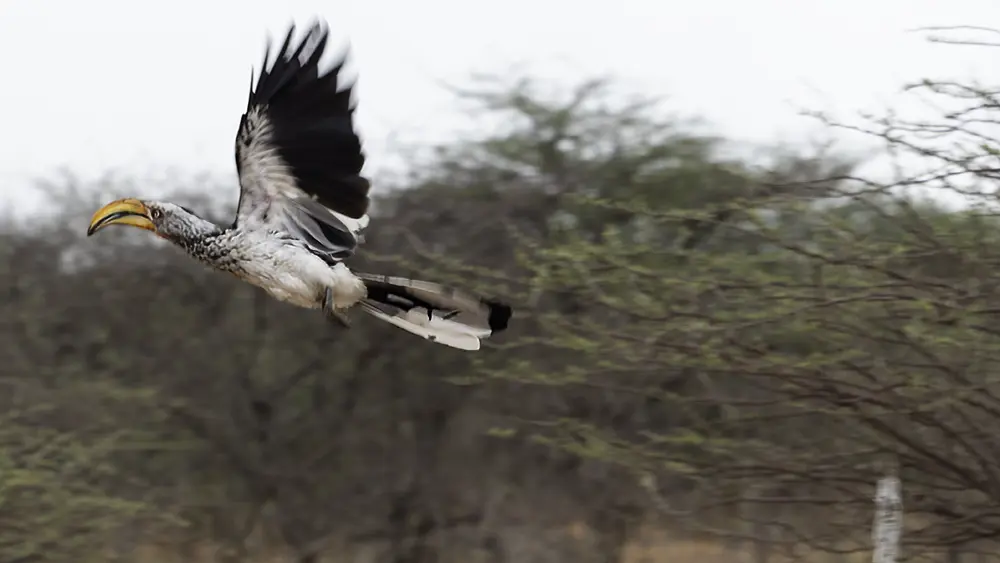
I own both a full frame and a micro four thirds. Both cameras serve a different purpose. While I adore my MFT for wildlife and use it heavily on my African safari, the FF is my go-to camera for forest and waterfall photography
...Bob
In this section, we will delve into the concept of sensor size and its impact on image quality and performance. When it comes to choosing a camera system, understanding sensor size is crucial, as it affects your photos.
Professionals and enthusiasts prefer full-frame, over the micro-four-thirds cameras, which are portable and also offer excellent image quality. The choice ultimately depends on personal preferences, shooting style, and budget.
MFT’s sensors, measuring approximately 18 mm x 13.5 mm, are smaller than FF sensors. Despite their smaller size, they offer numerous benefits. The smaller size allows for a compact and lightweight camera, making them ideal for photographers on the go and us older guys not wanting to lug around 30 pounds of camera gear. Additionally, MFT’s generally have a deep depth of field (DOF), resulting in more of the image being in focus. This can be advantageous for landscape and street photography, where a larger DOF is often desired. However, because the sensor is smaller, it may not perform as well in low-light conditions.
On the other hand, full-frame sensors are significantly larger, measuring approximately 36 mm by 24 mm. The larger sensor captures more light, leading to better image quality, particularly in low-light conditions. FF cameras also frequently offer higher resolution and better dynamic range, allowing for more detail and tonal range. However, these advantages come with a trade-off: they tend to be larger, heavier, and more expensive.
| Full Frame | Micro Four Thirds | |
|---|---|---|
| Sensor Size | Larger | Smaller |
| Camera Size | Bigger | Smaller |
| Camera Weight | Heavier | Lighter |
| Image Resolution | Higher megapixel count | Lower megapixels, higher pixel density |
The smaller micro-fourths cameras makes them a popular choice for travel photographers and those who prioritize portability without compromising image quality.
Pro-Tip
Download your free trial today!
When comparing full-frame and micro 4/3rds, their image resolution is another factor to consider. FF cameras generally boast higher megapixel counts, resulting in greater detail and image clarity. The larger sensor size allows for larger pixels and therefore better light-gathering capabilities, especially when shooting in low-light conditions.
Micro-fourths, on the other hand, typically have lower megapixel counts. While this may seem like a disadvantage, it’s important to note that their sensors have a higher pixel density due to their smaller size. This means they have a closer packing of individual pixels, leading to a higher resolution per unit area. The increased pixel density can lead to sharper images with finer details.
In this section, we will focus on the performance aspects of the cameras. Specifically, we’ll delve into low-light capabilities, discussing how each camera system handles high ISO settings and noise reduction. Additionally, we will explore the depth of field between the two systems, highlighting the differences in bokeh and background blur.
When it comes to low-light performance, full frame cameras have an advantage over micro 4/3rds due to their larger sensors compared to the smaller sensors in mirrorless cameras. Due to their larger sensor size, FF’s can capture more light and produce lower noise levels at high ISO settings. This means that FF is better in low-light conditions, delivering brighter and more detailed images with minimal noise.
On the other hand, while MFT cameras may not perform as well in extremely low-light situations, they still offer respectable photo quality and can produce impressive results when shooting in well-lit environments. They may require slightly higher ISO settings to achieve the same level of brightness as a full frame camera, but noise reduction technologies have improved significantly.
Another crucial factor to consider is the difference in depth of field between full-frame and micro four thirds cameras. Due to their larger sensor size and different focal lengths, full-frame can achieve a shallower DOF, resulting in more pronounced background blur and subject separation. This is particularly beneficial for portrait photography or artistic shots where you want to highlight your subject and create a pleasing bokeh effect, especially when using a 50mm lens.
On the other hand, micro 4/3rds have a deeper depth of field, meaning a larger portion of the image, from the foreground to the background, will be in focus. This can be advantageous for landscape or architectural photography, where you want to capture the entire scene with sharpness and clarity.
To better illustrate the differences in low-light performance between FF and MFT, we have provided a detailed comparison table:
| Performance Aspect | Full-Frame | Micro Four Thirds |
|---|---|---|
| Low Light Capabilities | Superior performance, better low-light sensitivity, and lower noise levels at high ISO | Performance is respectable, with slightly higher ISO settings and improved noise reduction. |
| Depth of Field | The image features a shallower DOF, a more pronounced background blur, and a distinct subject separation. | A deeper DOF allows for a larger portion of the image to be in focus, from the foreground to the background. |
By considering these factors, you can determine which camera system aligns with your specific needs and shooting style. Ultimately, both full-frame and micro four thirds offer unique advantages and disadvantages. Your choice between them depends on your preferences, priorities, and the type of photography you mostly engage in, considering factors like crop factor and shutter speed.
A bit of math comes into play when comparing focal lengths. MFT’s have a 2x crop factor, which means that the effective focal length of a lens is multiplied by 2 to get the equivalent field of view on a full-frame. Example, a 100 mm lens on an MFT camera offers the same zoomed-in perspective as a 200 mm lens on a full-frame camera. This can be a great advantage for those that want the reach of a telephoto lens without the bulk and weight of a full-frame system. While the MFT system intensifies the shallow depth of field of longer lenses, this can be managed by using a wider aperture or increasing the distance between subject and background
When it comes to lens compatibility, MFTs offer a wide range of options that cater to various photography genres and shooting styles, thanks to their versatile mount systems. The micro 4/3 lens ecosystem provides photographers with a diverse selection of lenses from different manufacturers, including Olympus, Panasonic Lumix, and Sigma.
Whether you’re into landscape, portrait, or wildlife photography, there’s a micro-fourths lens available to suit your needs. From high-quality prime lenses to versatile zoom lenses, the Micro Four Thirds system offers a comprehensive lineup that allows you to capture stunning images with ease.
| Lens Type | Advantages |
|---|---|
| Wide- Angle lenses | Perfect for capturing expansive landscapes and architecture |
| Portrait lenses | Deliver beautiful bokeh and excellent subject isolation. |
| Telephoto lenses | Ideal for wildlife and sports photography, it allows you to get up close to the action. |
| Macro lenses | Enable close-up photography, capturing intricate details with exceptional clarity. |
With such a diverse range of MFT’s lenses available, you’ll have no trouble finding the perfect lens to unleash your creativity and achieve your desired photographic results.
Professional photographers have long preferred full frame cameras due to their exceptional, stunning quality and versatility. One of the advantages of choosing a full-frame is the extensive range of lens options available, including the highly versatile 50mm lens. Leading camera manufacturers like Canon, Nikon, and Sony offer a vast lineup of high-quality lenses designed specifically for full-frame.
Whether you’re a professional seeking top-of-the-line prime lenses or an enthusiast looking for reliable zoom lenses, the full-frame optic options have got you covered. From wide-angle lenses for landscape photography to telephoto lenses for capturing distant subjects, the choices are virtually endless.
| Lens Type | Advantages |
|---|---|
| Fast Prime Lense | Wide apertures allow for stunning low-light performance and shallow depth-of-field effects. |
| Standard zoom lenses | Provide versatility for everyday photography, from portraits to landscapes. |
| Telephoto lenses | Allow you to capture distant subjects, making them perfect for wildlife and sports photography. |
| Specialty lenses | We cater to specific needs, such as tilt-shift lenses for architectural photography, ensuring compatibility with different mounts. |
Full frame cameras offer photographers the advantage of a wide selection of high-quality lenses that deliver exceptional picture quality and performance. No matter your photographic pursuits, the full-frame optic options will enable you to achieve professional-grade results.
In this section, we will explore the usability and features of FF and MFT cameras. We will delve into the available interface and customization options, exploring how you can tailor these camera systems to suit your specific needs and shooting style.
When it comes to camera usability, the interface plays a crucial role in ensuring a smooth and intuitive shooting experience. Both full-frame and micro-four-thirds cameras offer customizable interfaces, allowing you to personalize the camera’s settings and controls to match your preferences.
With a range of buttons, dials, and programmable function keys that you can assign to different functions, full-frame often offers more customization options. This versatility allows for quick access to frequently used settings, making it easier to adjust your camera on the fly.
On the other hand, micro-fourths cameras tend to have a more compact form factor, which may limit the number of physical controls available. However, they make up for this with customizable menus and touchscreen interfaces. These touchscreen controls offer a user-friendly way to navigate through settings and make adjustments with a simple tap or swipe.
Another key feature to consider is the viewfinder, which provides a real-time preview of the scene. There are two main types of viewfinders: electronic viewfinders (EVF) and optical viewfinders (OVF).
Electronic viewfinders, predominantly in micro-four-thirds, use a small display that shows a digital representation of the scene. This allows for a live preview of exposure, white balance, and other settings, giving you a more accurate representation of the photo. Additionally, EVFs also provide helpful overlays and focus peaking, which assist in achieving precise focus.
Optical viewfinders, commonly found in DSLR cameras, utilize mirrors and prisms to provide a direct optical view of the scene. This type of viewfinder offers a more natural and immersive shooting experience, as you are seeing the scene directly through the lens. However, optical viewfinders do not provide a real-time preview of exposure or other settings, requiring you to rely on the camera’s metering system and your own judgment.
| Features | Full Frame | Micro Four Thirds |
|---|---|---|
| Customizable Interface | Extensive options for customization include physical controls and programmable function keys. | Customizable menus and touchscreen controls |
| Viewfinder Type | Optical viewfinder (OVF) | Electronic viewfinder (EVF) |
| Advantages | A natural and immersive shooting experience | Real-time preview, overlays, and focus peaking ensure accurate composition and precise focus. |
One of the most important factors to consider when purchasing a new camera is the price point. Understanding the upfront costs and long-term value of different camera systems can help you make a well-informed decision. In this section, we will compare the upfront costs and ongoing expenses of full-frame and micro 4/3rds, providing you with valuable insights for your camera investment analysis.
Between these two systems, the price of the camera body and lenses can vary significantly. Full-frames generally have a higher initial cost because of their larger sensors and advanced technologies. On the other hand, MFTs are often more budget-friendly, making them an attractive option for beginners or photographers on a tight budget.
When comparing upfront costs, it’s important to consider not only the camera body but also the lens prices. Full-frame lenses tend to be more expensive than their micro-four-thirds counterparts. However, full-frame systems offer a wider selection of high-quality lenses, giving you more flexibility and creative possibilities in your photography journey.
Both the initial investment and ongoing expenses influence the cost of a camera system. Micro four thirds lenses are generally cheaper than full-frame lenses, making them suitable for expanding lens collections. However, FF retain their value better and has a higher resale potential, making it a better long-term investment. Future upgrades are also important, as full-frame offers higher performance and better quality, allowing for your growth. Therefore, the choice should align with your budget, preferences, and long-term goals.
In the previous sections, we explored the differences between full-frame and micro 4/3 systems, examining various aspects such as sensor size, photo quality, performance, lens compatibility, usability, and price point. Now, it’s time to make a decision and choose the camera system that aligns with your preferences and priorities.
When deciding between systems, it’s essential to consider your specific photographic pursuits. Think about the genres of photography you enjoy the most, whether it’s landscape, portrait, wildlife, or sports photography. Each camera system has its strengths and weaknesses in different areas, so choose one that caters to your preferred style of shooting.
Consider the future-proof nature of your camera system when choosing photography gear. Full frame cameras offer higher growth potential due to technological advancements and a wider lens range. For long-term photography or professional careers, FF offers flexibility. For casual, travel, or street photography, micro four thirds offer versatility and convenience without sacrificing quality.
To make an informed decision, evaluate your photographic pursuits and consider the growth potential of each camera system.
Why you the consumer. Full-frame and micro-four-thirds camera systems have different strengths and advantages. Full frame cameras typically offer better photo quality and low-light capabilities because of their larger sensor size, which allows for more light gathering and shallow DOF effects. They also excel at producing bokeh and shallow DOF effects. Micro-fourths cameras are smaller, lighter, and more portable, making them ideal for travel and street photography. Both systems offer intuitive interfaces, customizable controls, and a range of shooting modes. The choice between electronic viewfinders (EVF) and optical viewfinders (OVF) depends on personal preference. Micro-fourths cameras and lenses are generally more affordable, allowing for interchangeable lenses. The choice depends on individual needs and shooting style.

The main advantages of Micro Four Thirds versus Full Frame are portability, cost-effectiveness, and faster autofocus. Micro Four Thirds cameras are lighter and more compact, making them ideal for travel and street photography, while also being more affordable with a wide range of lens options.
In professional settings, Micro Four Thirds can compete with Full Frame by offering portability, affordability, and sufficient image quality. While Full Frame excels in low-light performance and depth of field, Micro Four Thirds is a viable option for many professionals.
The choice between Micro Four Thirds and Full Frame affects lens selection because they offer different focal length and aperture options. Micro Four Thirds lenses are typically smaller and lighter, while full-frame lenses provide better low-light performance and depth of field control.
Yes, there are situations where full-frame cameras might not be the best option, such as when portability is essential, there are financial constraints, or you need specific crop-sensor camera features, like extra reach in telephoto lenses, for wildlife or sports photography.
Long exposure photography is a technique that uses slow shutter speeds to capture silky smooth

The first time I went to the Medicine Bowls in Courtenay, it felt like a

Lower Myra Falls is one of those places in Strathcona Park that feels far more