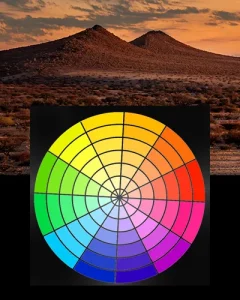
Colour Theory for Photographers: A Practical Guide
Colour theory for photographers is something I never thought about when I first started out.
Share the Love This Valentine’s Day – 25% Off




Have you ever looked at a photograph of an aged, weathered face, where each wrinkle reveals a tale, or a misty cityscape where light and shadow harmoniously blend together? This is the magic of monochrome photography psychology, a world where black-and-white images strip away distractions, leaving raw emotion and timeless beauty.
But why do these grayscale photos feel so powerful? How can something so simple evoke nostalgia, drama, or even a sense of mystery?
Ready to uncover the secrets behind its emotional punch and learn how to create your own striking black-and-white masterpieces? Dive in—this article will change the way you see the world, one shade of grey at a time.
Monochrome photography is all about capturing images in varying shades of grey, otherwise known as black and white. It uses light, shadow, and contrast to tell powerful stories in a visually striking way.
Black and white photography is about playing with light and dark. By ditching distracting colours, it lets you focus on shapes, textures, and patterns. Tweaking exposure and contrast helps in snapping a wide array of emotions and looks.
Monochrome photos stand apart due to their focus on the basics: light, shadow, and texture. While colour photography paints with a range of shades, monochrome narrows it down, often stirring nostalgia or an air of timelessness.
There are a ton of reasons photographers are obsessed with black and white photos. It highlights composition, lighting, and emotion, removing the distraction of colour. These images can evoke a sense of historical significance, timeless elegance, and profound contemplation, thereby resonating deeply with the viewers.
Grasping these key ideas about monochrome photography enriches your appreciation of its charm and appeal. Embracing this style unveils a visual world that’s all about exploring and diving deep into feelings.

Looking to stretch your budget? We’ve got good news! Use the SPECIAL code whosaid15 for an extra 5% off
Capturing the soul of black-and-white photos isn’t just about clicking the shutter. It’s about knowing what makes them tick. Each bit plays a role in weaving emotions and tales through your snaps.
Monochrome photos benefit greatly from the use of light and shadow. They pack your pictures with depth, texture and a certain vibe. Messing with light can seriously up the drama in your photos.
Nailing the light and shadow balance lets you steer where the viewer looks and stirs up emotions.
Contrast is all about the clash between the dark and bright parts of your picture. In black-and-white, high contrast makes images pop. On the other hand, low contrast gives off a gentle vibe.
Mastering contrast can make your black-and-white photos more emotional and impactful.
The grayscale range lets you play artist in black-and-white photography. By focusing on different shades, you can create portraits full of emotion.
Choosing the right shades can change how people see your portraits. Finding the perfect balance in shading can take viewers on an emotional journey and tell a richer story.
Monochrome photography has a magical effect on our emotions. Without colours, we focus more on the subject’s expressions, textures, and shapes. This approach lets us connect with the image on a deeper level.
Without colour, our emotions fill in the blanks, making the story our own. This way, the image tells a story that resonates with us personally.
| Emotion | Common Images | Visual Technique |
|---|---|---|
| Nostalgia | Portrait, old streets | Blurry edges, grainy look |
| Isolation | Cityscapes, barren nature | Stark contrast, open space |
| Introspection | Close-ups, still objects | Dramatic lighting, soft colours |
Light and shadow are key in monochrome photography. They create depth and interest, highlighting certain parts of the image. By adjusting light, you can set the mood and atmosphere, telling a story that captivates viewers.
| Light Intensity | Mood Vibe | Example |
|---|---|---|
| Bright Light | Cheerful and open | Sunny landscapes |
| Gentle light | Soft and dreamy | Morning Portraits |
| Low light | Dark moody | Nighttime shots |
Monochrome photography removes distractions, revealing the subject’s true essence. Without colours, textures and forms stand out. This highlights what’s important, offering a raw and honest view.
| Aspect of the Subject | Monochrome Boost | Example |
|---|---|---|
| Texture | More detail | A rugged wooden surface |
| Shape | Clear definition | Silhouettes in light |
| Emotion | Bigger impact | Close-up of a face |
Exploring monochrome photography opens up a world of connection and impact. It's about emotional depth, clarity, and connecting through honest work.
Pro-Tip

Ansel Adams is a legend in black and white photography. His nature shots in shades of grey set the standard. He developed the Zone System, allowing photographers to fine-tune exposure.
Adams’ work stirs emotions with its contrasts. His images are full of details, showing the beauty of black and white in nature.
Many photographers are now exploring monochrome, each adding their own twist. Their work offers fresh ideas on today’s monochrome styles.
Here are a few modern legends in the black-and-white game:
Looking at these photographers’ work can spark your own monochrome journey. Understanding their methods and styles can help you create impactful photos.
Ready to start monochrome photography without breaking the bank? You don’t need expensive gear to create stunning black and white photos.
Here are the basics:
| Gear | Purpose |
|---|---|
| Camera | A digital camera with manual settings lets you play around with exposure and composition. |
| Lenses | Having a variety of lenses, like wide-angle and telephoto, gives you flexibility in how you frame things. |
| Tripod | A solid tripod reduces camera shakes, which is a lifesaver in low-light situations. |
| Filters | Neutral density filters help with light management, and polarizing filters boost contrast. |
| Light Meter | Helps you nail the exposure, making sure your shots aren't washed out or too dark. |
| Reflector | Use it to bounce natural light on your subject, adding depth to your black and white photos. |
| Software | Essential for tweaking your pics, letting you adjust contrast, brightness, and shadows. |
Mastering this gear can really boost your skills in creating powerful monochrome photos. Once you've got your gear sorted, you can focus on capturing the emotions that grab viewers' attention.
Pro-Tip
Black and white photography is a deep dive into visual storytelling. It highlights shades, contrasts, and textures, connecting you deeply with your subjects. This connection stirs emotions and turns each photo into a story-packed powerhouse.
When exploring this style, pay close attention to light and shadow, contrast, and the infinite shades of grey. Master these and you’ll create photos that touch viewers’ hearts.
Here’s a quick guide for diving into monochrome photography:
Emotional photos can really spark your creativity. As you hone your skills and style, you’ll find your place in black and white photography. Whether you’re aiming for an ageless look or a bold statement, monochrome photography lets you show off your artistic side.
Black-and-white photography focuses on light and shadow, hitting you right in the feels. Without colour, you’re drawn into the mood and story of the image. These images stand out because they highlight textures and forms, pulling you into the heart of the subject.
Making your black-and-white snaps shine isn’t complicated. It’s about getting the lighting right, focusing on textures, and composing like a pro. Here’s a quick guide to boost your monochrome skills.
Photographers love black-and-white for many reasons. It’s all about raw emotion, storytelling, and creativity. Here are a few reasons why monochrome magic is so captivating:
Colour theory for photographers is something I never thought about when I first started out.
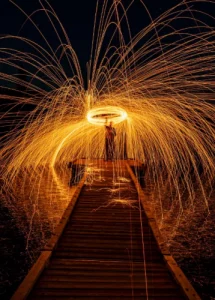
I think steel wool photography creates some of the most amazing images you can capture
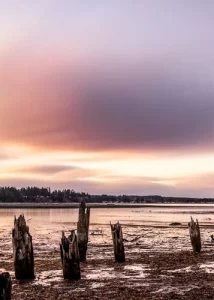
Long exposure photography is a technique that uses slow shutter speeds to capture silky smooth