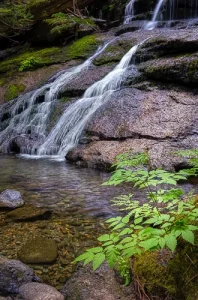
Stokes Creek Falls in Port Alberni: Trail Guide & Directions
Some places are easy to miss, even when you know the area well. Stokes Creek
Grand Opening & Black Friday Sale = 50% Off


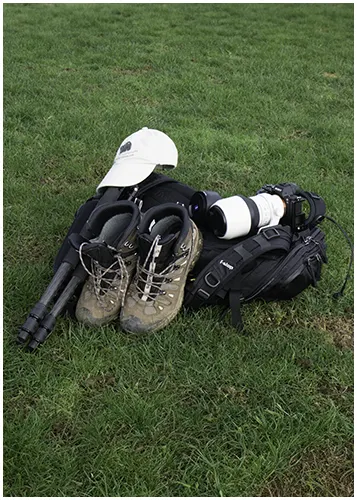

Forest photography opens a world of natural beauty; however, it’s important to have the right gear. This guide will help you select the best gear for capturing those woodland photos.
Start with a reliable camera, versatile lenses, and a sturdy tripod for your next photography trip. These are key for capturing everything from wide vistas to small forest details.
Lenses will let you see the forest world. A wide-angle lens (16-24mm) is ideal for big landscapes. For capturing wildlife, a telephoto lens might be the most effective choice.
Forest photography shows the beauty of woods. It highlights different plants, animals, and light. As you explore this woodland, you’ll discover many ideas for photos.
Start by learning about your camera and equipment. A decent camera, lenses, and tripod are key. Knowing your camera helps you handle the forest’s light.
Here are some tips for forest photography:
'Forest photography is more than hiking among the trees. It's about seeing and feeling nature. '
Pro-Tip
| Equipment | Purpose | Average Price |
|---|---|---|
| DSLR/Mirrorless Camera, | High-quality image capture | $1000-5000 |
| Wide-angle Lens | Expansive forest scenes | $500-2500 |
| Prime Lens | Detailed forest elements | $300-1000 |
| Tripod | Stability in low light | $150-500 |
| Backpack | Transport/carry gear | $100-500 |
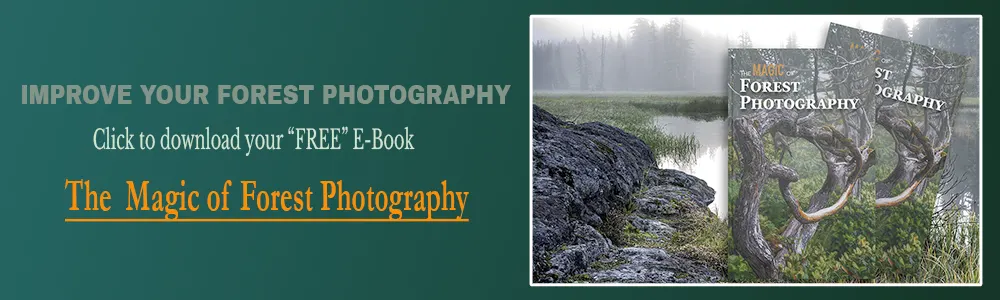
Photographing the forest, you’ll need the right camera gear. Your camera kit can significantly impact the quality of your photos, particularly in macro or wildlife photography. Let’s look at the must-haves for stunning forest photos.
When choosing a camera, think about the sensor size. Full-frame sensors perform well in forests because of the low light conditions. Crop sensors are less expensive, therefore more cost-effective for beginners.
Beginners should start with entry-level DSLRs or mirrorless cameras. They offer excellent quality and flexibility without the expense, making them ideal for any photographer. Ensure they are weather-resistant to safeguard against moisture, dust, and dirt.
My suggestions for lenses:
| Lens Type | Recommended | Price |
|---|---|---|
| Standard Zoom | 24-105 | $2000 |
| Telephoto Zoom | 70-200 | $2500 |
| Wide prime | 24mm | $1000 |
A strong, light tripod is necessary, especially in low-light situations. Carbon-fibre tripods are excellent because of their strength and lightness. Start with these basics and add more as you improve.
Your sensor is key in forest photography. As I mentioned, full-frame sensors are best in low light. They’re perfect for forest scenes. Crop sensors are normally less expensive and lighter, ideal for longer hikes.
Maintain a low ISO setting of 100 to 800 to prevent noise in your photos. This is vital in dark forests.
Your shutter speed depends on what you’re shooting. Use slower speeds for waterfalls. Choose a faster shutter to freeze the action in your wildlife.
Here’s a quick guide:
| Subject | Shutter Speed | ISO | Aperture |
|---|---|---|---|
| Landscape | 1/60 - 1/15 | 100-200 | f/8 -f/11 |
| Wildlife | 1/500 - 1/200 | 400-800 | f/6 - f-8 |
| Water flow | 1/4 - 1 second | 100-200 | f/11 - f/16 |
These settings are just a starting point; feel free to try different settings based on your situation. With practice, you'll find out what the best settings are for forest photos.
Pro-Tip
Looking to stretch your budget? We’ve got good news! Save an additional 10% use code bwild10
Selecting the appropriate lens is crucial when taking pictures in the forests. Each lens offers benefits, including those associated with focal length.
Wide-angle lenses are excellent for big forest views, 14–24 mm. This lets you capture more of the scene in your photo.
A wide-angle lens is a fantastic tool for capturing the grandeur and depth of a forest. Here’s why:
Prime lenses give sharp images and pleasing bokeh. A 35mm or 50mm prime works best for forest details.
Telephoto lenses are key for wildlife shots and distant scenes. I normally carry a 70-200mm.
A telephoto lens can be a powerful tool for capturing unique perspectives and details within a forest. Here’s why:
A macro lens is a fantastic tool for forest photography because it allows you to capture the intricate details of the natural world that often go unnoticed. Here’s why:
Each lens type offers a unique view. This lets you tell different stories in the forest.
Pro-Tip
Download your free trial today!
Filters are an asset in forest photography. A polarizer makes colours pop by cutting down on the glare from leaves and water. It’s ideal for dreamy waterfalls and moving leaves.
| Filter Type | Primary Use | Effect |
|---|---|---|
| Polarizer | Reduce reflections | Enhance colours reduce glare |
| ND filter | Longer exposures | Motion blur: smooth water |
| Graduated ND | Balance exposure | Even lighting across the scene |
Choosing the right hiking camera gear is key for amazing forest shots. The way you carry your equipment can significantly impact your outdoor photography. Let’s explore some essential items that will ensure your gear remains safe and easily accessible.
A 40-litre backpack is perfect for long hikes. It has lots of room for your camera, lenses, and other essentials. Pack smartly with a 2-litre water bladder, snacks, and a first-aid kit. Remember, comfort is important when carrying gear for hours.
Sling bags are ideal for shorter hikes of 1–4 hours. They let you quickly get to your camera, perfect for catching quick moments. These bags are light and won’t slow you down on the trails.
Camera clips and harnesses come in handy when hiking without your hands. They keep your camera safe but simple to get to. This is ideal for tough terrain where you need your hands for balance or trekking poles.
| Carrying Solution | Best For | Capacity |
|---|---|---|
| Backpack | Long hikes (4+ hours) | 25L or greater |
| Sling bag | Short Hikes | 5L |
| Clips, harnesses | All hikes | N/A |
When picking your carrying solution, think about the hike’s length, how much gear you have, and your comfort. With the right gear, you’ll be ready to capture the forest’s beauty while enjoying a comfortable hike.
When you go to the best forest for nature photography, keeping your gear safe is key. The green, wet environment can cause damage to your gear.
Get weather-resistant covers for your camera and lenses. These protect against rain, dust, and wet spray, common in forest photography, ensuring your gear is safe. Choose covers that let you easily access your camera while keeping it safe.
Bring a small cleaning kit with you to maintain your gear, especially when doing macro photography. It should have microfiber cloths, a lens cleaner, and an air blower. Cleaning often keeps your photos clear and stops dirt from harming your camera.
Use silica gel packets or other dry products to fight humidity. These small helpers stop water from building up inside your camera and lenses. This is a significant issue in areas with high rainfall.
| Item | Purpose | Importance |
|---|---|---|
| Weather-resistant cover | Protects against rain and dust | High |
| Cleaning kit | Maintains gear cleanliness. | Medium |
| Silica gel packets | Absorbs excess moisture | Low - medium |
Always clean your gear well after each trip. This keeps it in working condition, and your photos look excellent for your next photography trip.
Accessories can make your trip better and outings easier. When you go into the woods, you’ll need some key items. These will help you get the best shots.
A remote shutter release is useful for taking photos without shaking the camera. It’s perfect for photos of misty streams or pictures of you in the trees during the golden hour. For dark places, bring a small LED light or flashlight. Who knows, you could use it for some cool light painting effects.
Use a GPS device or app to find and mark your favorite spots, which can help you plan your next outing locations. It helps you go back and share with others. The right gear makes forest photos amazing.
Starting your forest photography journey is exciting. You’ll learn to see the forest in new ways. Remember, it’s also about patience and practice.
First, get a suitable camera and lenses. A strong tripod and filters will make your photos better. Weather-resistant gear keeps you ready for anything.
Every trip is different. Explore, learn, and find your style while photographing forests. With each trip, you’ll see the forest in a new light. So, grab your gear and go, ensuring you have the ultimate guide to the best photography tips. Let nature spark your creativity.
The best camera settings for forest photography include a small aperture (f/8-f/11) for depth of field, ISO 100-400 for minimal noise, and a tripod-mounted slower shutter speed (1/60 or slower). Manual mode helps control exposure in challenging forest lighting conditions.
To take great pictures of trees, shoot during overcast days for even lighting, use a wide-angle lens to capture full height, focus on unique patterns or textures in bark, and try different perspectives—looking up through branches or showcasing roots. Include foreground elements for depth.
Use a wide-angle lens to capture the full height, or try a telephoto for a dramatic close-up of the treetop. Experiment with different angles and perspectives to create unique compositions.
Some places are easy to miss, even when you know the area well. Stokes Creek
As we get older, our colour vision changes, and the result affects our life, including
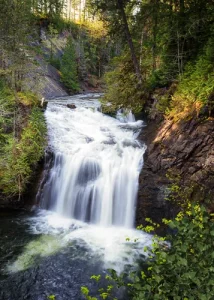
Trent River Falls is a short but rewarding hike just outside Courtenay on Vancouver Island.