How to Photograph the Belt of Venus at Twilight
On my latest photo outing, I was heading to the beach to shoot the morning


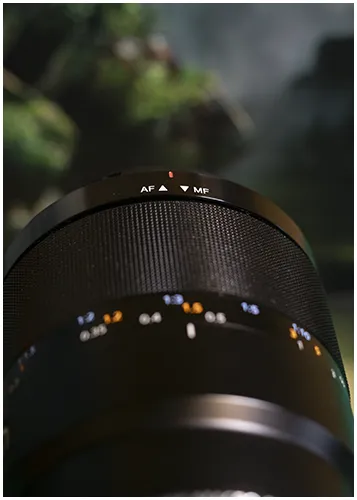

The difference between autofocus and manual focus becomes evident, particularly in the nuanced control and creative freedom each offers. Manual focus (MF), a cherished tool in a photographer’s arsenal, brings several advantages to the table, especially when precision and deliberate control are paramount.
The primary perk of manual focus is its ability to grant photographers exact control over the ‘want to be in focus’ area. By adeptly manipulating the focus ring on manual lenses, you can ensure that the specific section you wish to highlight is crisply defined. This precision is particularly crucial in genres like macro or landscape photography, where the minutest detail can be the centerpiece of your shot.
In challenging lighting conditions, such as low light or scenes with minimal contrast, manual focus modes outshine their autofocus counterparts. Autofocus systems, while advanced, often grapple with finding the right focal point in such scenarios. Here, the prowess of MF comes to the fore, enabling photographers to maintain clarity and sharpness where AF might falter.
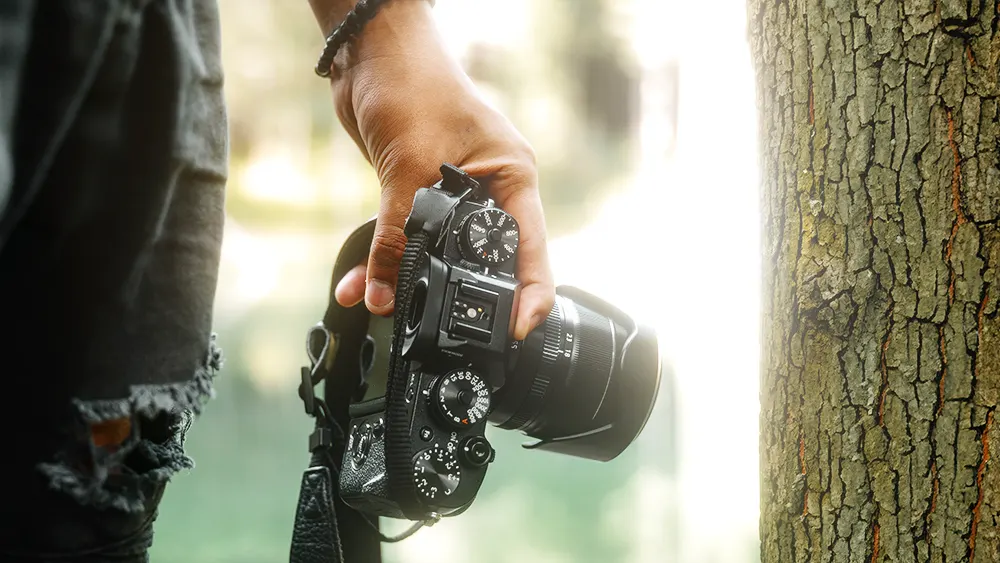
Manual focus also excels in scenarios demanding high levels of focus magnifier and MF assist, tools that are indispensable when aiming for extreme accuracy in focusing. These features are particularly useful in digital cameras, where the magnification of the display can aid in confirming the sharpness of the desired area.
For dynamic subjects, the autofocus vs manual debate often leans towards AF for its speed. However, MF allows for a technique known as ‘pulling focus,’ a method favored in videography and action photography. This technique involves manually shifting focus between subjects at different distances, a feat that requires practice but offers unparalleled control.
While using MF in digital cameras or DSLRs might seem daunting at first, its benefits in certain situations are undeniable. It provides a level of engagement and control that can greatly enhance the photographic experience, pushing the boundaries of what can be achieved with a camera’s shutter and lens.

When selecting the right focus mode for your photography, it’s essential to consider the strengths and weaknesses of both manual focus (MF) and autofocus (AF). Your choice will be influenced by factors such as your photography genre, the equipment you use, including the type of lenses and camera model, and your personal preferences as a photographer.
Manual focus allows for unparalleled precision and control over the point of focus. By adjusting the focus manually using the focus ring on your camera or lens, you can fine-tune the focus to exactly where you want it. This is especially useful when your camera is struggling to focus in complex scenarios, like low-contrast scenes or when using a macro lens like the SAL50M28, where high magnification and detail are crucial. Many photographers prefer to switch to manual focus in these situations for greater accuracy. Additionally, manually focusing, particularly when the camera is set on a tripod, offers stability and precision, which is essential in macro and landscape photography.
On the other hand, autofocus provides convenience and speed. It is often the go-to method in general digital cameras for many photographers, especially when dealing with fast-moving subjects or a chaotic scene. Modern cameras come with various AF methods and advanced technologies like face detection, ensuring sharp and focused images. The ability to switch to manual focus or rely on the camera’s AF system offers versatility. The AF mode frees you from the need to manually focus, letting you concentrate more on composition and timing, which can be particularly useful in dynamic shooting scenarios.
What’s the difference between manual and autofocus? In essence, autofocus allows the camera to automatically determine the focus point, whereas manual focus provides the photographer with direct control over the focusing process. Switching to manual focus can be a useful technique for photographers who require precise focusing control, particularly in challenging conditions where AF might falter.
Ultimately, the decision to use manual focus or autofocus should be based on your specific photography needs and preferences. For instance, in a fast-paced sports event, using the autofocus mode might save crucial time, whereas in a controlled studio environment, the precision of manual focus could be more beneficial.
It’s worthwhile to experiment with both focusing methods. Understanding various AF methods and when it’s time to use manual focus can significantly enhance your skills. Whether you are using a general digital camera or a more specialized model to learn advanced techniques, both focus modes have their place in a photographer’s toolkit. The choice often comes down to the particular demands of the scene and your personal approach to photography.
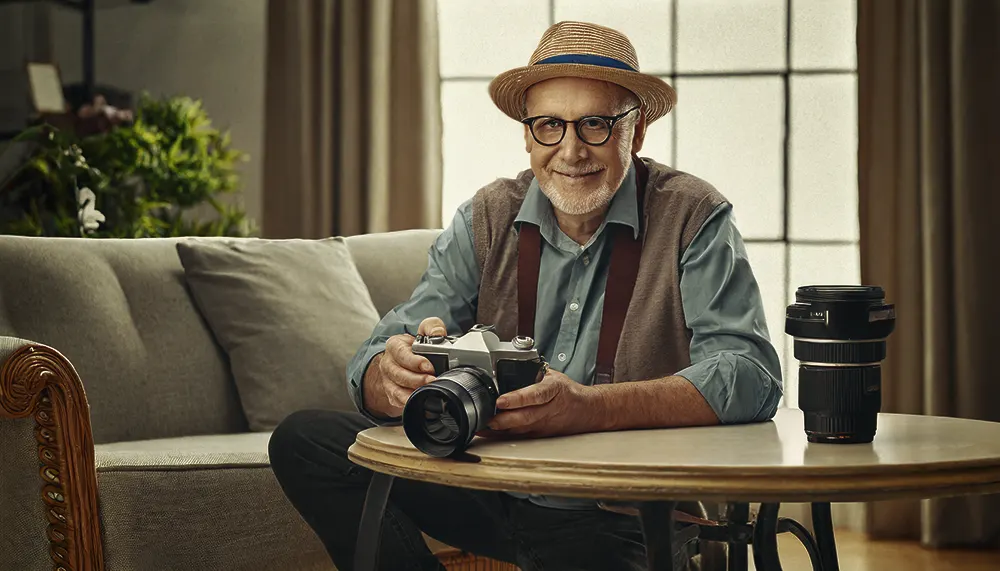
Shooting with manual focus shines in its precision and control, making it a preferred choice for photography genres like macro or landscape. When using manual focus lenses, such as the macro lens SAL50M28, you can manually adjust the focus to ensure your subject is sharply in focus. This mode is particularly beneficial when you need to make fine adjustments to achieve the perfect focus. Techniques like focus magnifier are invaluable here, helping you pinpoint exactly what you want in sharp detail.
Moreover, manual focus allows the photographer to creatively manipulate the depth of field, enabling stunning bokeh effects and ensuring that the photograph was shot with your unique artistic vision in mind.
In contrast, autofocus systems offer unmatched convenience and speed, crucial for capturing fast-moving subjects or action-packed scenes. Modern autofocus lenses, backed by advanced lens technology such as that found in the SEL24105G lens, are equipped with features like various autofocus modes. These systems allow the camera’s autofocus to adapt swiftly to different scenarios, enabling you to find and focus on the subject more quickly especially convenient in situations where speed is of the essence.
Find the perfect switch between manual focus and autofocus and master photography! Different autofocus methods offered by your camera’s autofocus system, combined with manual focus techniques, enhance your ability to capture images with the desired focus. Whether you’re shooting still life or dynamic scenes, the ability to alternate between the convenience of autofocus and the precision of manual focus lets you get the full experience of your camera’s capabilities.
Thus, whether you lean towards the meticulous control of manual focus or the swift efficiency of autofocus, it’s beneficial to experiment with both. Each mode brings its strengths to different photographic scenarios, enabling you to capture images that peak in terms of focus and composition.

On my latest photo outing, I was heading to the beach to shoot the morning

One of my favourite quick hikes near Cumberland is the Cumberland China Bowls, also known

Beginner landscape photography can feel overwhelming at first, but a few simple habits will improve