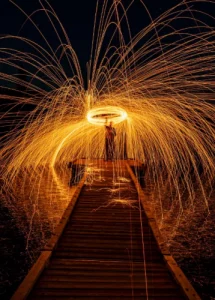
Silhouette Photography Techniques, Simple Tips for Beginners
Silhouette photography techniques can turn an ordinary scene into something dramatic, letting the shadows hide
Grand Opening & Black Friday Sale = 50% Off
As photographers we’ve always been drawn to the magic of the golden hour. There’s something special about how the world is bathed in warm light just before the sun dips below the horizon.
For me, this period is the perfect time to play with one of my favourite photographic techniques: the silhouette. I love the thrill of experimenting with my camera, turning a familiar scene into a dramatic, high-contrast masterpiece. It’s a fun and rewarding challenge to strip away all the detail and let the pure shape of a subject tell the story.
I want to share some of my favourite tips and tricks for creating stunning silhouette photos, whether you’re using a professional DSLR or just your smartphone. I’ll walk you through everything from the basics of exposure to the art of composition, and I promise you’ll be inspired to head out at sunset and start creating your own breathtaking images.
Silhouette photography turns your subject into a dark outline against a bright background. You block direct light to make details disappear, leaving just the shape. This contrast adds mystery and mood to your images.
Silhouette shots use backlighting (light from behind your subject). The camera meters for the bright sky or light source, making your subject dark. It’s more about form and story than detail in stunning silhouette photos.
Why do viewers love silhouettes so much? They love bold shapes and colourful skies.
A strong silhouette needs a clear, recognizable outline. Look for subjects with distinct shapes that read easily in profile.
Too many objects confuse your silhouette outline in your photographs. Choose one main subject and clear space around it. What shapes catch your eye when you scan the horizon?
Early Black Friday Save up to 35% On Photo RAW – Download your free trial today!
Getting exposure right is key to a dark subject and bright background. You’ll need manual control or exposure compensation for this silhouette photograph.
Switch to manual (M) to set shutter speed, aperture, and ISO yourself. Start with these settings:
Point your metering spot or use spot metering on the brightest part of the sky. Your camera will expose for that highlight, plunging your subject into shadow as intended.
If you only have semi-auto modes, dial in –1 to –3 EV exposure compensation. This forces the camera to underexpose, turning your subject into the perfect silhouette. Ready to set your camera for dramatic contrast?
Finding and positioning your light source is crucial for a silhouette. You want the strongest light behind your subject with minimal light spilling from the front.
Watch out for reflective surfaces, flash, or nearby lamps that can fill in your shadows. Turn off flash and angle yourself so no stray light hits your subject. Where’s the light coming from in your scene?
Great composition draws the eye to your silhouette outline and the background mood in your silhouette pictures. Simple rules can make a good shot memorable.
Place your subject’s outline on one of the vertical thirds lines. Let the sky fill the remaining space to enhance the background drama.
Roads, fences, or beams can guide the viewer’s gaze. Place them to point at or frame your subject.
Empty sky or open foreground makes your subject stand out. Don’t be afraid of blank areas. White space is a design tool. How will you frame your next silhouette shot?
A little editing can make your silhouettes pop. You can boost contrast and fine-tune colours without overdoing it.
In Lightroom or your favorite editor, increase contrast and blacks. This deepens your subject’s outline. Watch the histogram to avoid clipping highlights in the sky.
Want that extra punch? A gentle clarity boost can make edges crisp without adding noise in your silhouette images.
Once you’ve nailed the basics, mix things up. Keep your work fresh and surprising.
Ask your subject to hold an umbrella, wave a scarf, or strike a dynamic pose. Motion blurs can add energy to your outlines.
Shoot your silhouette near water or glass for mirror-like doubles and intriguing patterns; these tips and tricks can enhance your shots. What will you try next when you head out?
Mastering silhouette photography means turning your subject into a dark outline against a bright background. The key is to expose for the background, not the subject.
Choose subjects with simple, clear outlines and avoid busy backgrounds. Use your camera’s manual mode or exposure compensation to ensure your subject remains dark. Position yourself so the light source, such as the sun, is directly behind your subject.
For strong composition, apply the rule of thirds and use negative space to make your subject stand out. After you’ve taken the shot, use editing software to boost contrast and colour, making the silhouette truly pop. Finally, get creative by experimenting with different times of day, props, and reflections.

Silhouette photography techniques can turn an ordinary scene into something dramatic, letting the shadows hide

Are you tired of noise or grain messing up your photos? ON1 NoNoise AI could

Every time I get ready to photograph a waterfall, I feel a rush of excitement.