
Cumberland China Bowls Hiking Guide on Vancouver Island
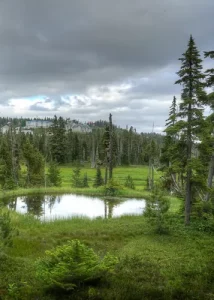
One of my favourite quick hikes near Cumberland is the Cumberland China Bowls, also known
Hunt for your perfect deal Easter sale on now! – 30% Off




I still remember that cold morning, fingers numb, camera ready, waiting for the perfect photo moment. When the sun crested over the horizon, painting the sky in brilliant oranges and pinks, I knew why I’d dragged myself out of a warm bed at 5 a.m. It’s the magic that draws us in?
As a photographer, you use light as your medium. The quality, direction, and intensity of natural lighting can turn ordinary scenes into amazing photos. Knowing how sunrise creates long shadows or how overcast skies soften harsh contrasts is important to breathtaking images.
Atmospheric conditions add another fascinating dimension to your outdoor scenes. That moody fog rolling through a valley, dramatic storm clouds gathering over prairies, or pristine snow reflecting the golden hour—these elements create emotion and depth that viewers connect with instantly.
Throughout my career capturing the Canadian landscape, I’ve learned that embracing rather than avoiding challenging conditions leads to the most memorable shots. That rainstorm might just give you the dramatic sky you’ve been hoping for!
Ready to transform your nature imagery from “nice shot” to “wow, how did you capture that?” Let’s explore how these two powerful elements can elevate your work to gallery-worthy status.
It’s all about light in landscape photography. It shapes the mood and adds depth in ways unmatched by other elements. Think of light as the emotional storyteller in your images; it reveals textures, creates shadows, and paints the world in different colours throughout the day. Without thoughtful consideration of light, even the most spectacular landscape can fall flat in a photograph.
Light elevates ordinary scenes into extraordinary images by emphasizing overlooked features. The way sunlight catches morning dew on grass, filters through trees in a forest, or dramatically illuminates mountain peaks—these moments of light create the “wow” that makes viewers stop and notice your photos.
Light makes photography. Embrace light. Admire it. Love it. But above all, know light. Know it for all you are worth, and you will know the key to photography.
George Eastman, founder of Kodak
The quality, direction, and colour of light dramatically influence your landscape photos. Each type of light tells a different story and evokes distinct emotions.
Directional light creates the foundation for your image’s dimension. Front lighting (when the sun is behind you) evenly illuminates your subject but can flatten the scene. Side lighting reveals texture and form by creating shadows that define shapes and add depth. Backlighting (shooting toward the light source) creates dramatic silhouettes and can produce stunning rim light around your subjects.
The quality of light varies throughout the day. Harsh midday light creates strong contrasts and defined shadows, challenging but perfect for desert landscapes or dramatic black and white photography.
Soft light, typically found on overcast days or in the shade, reduces contrast and brings out subtle colours and details, making it ideal for woodland scenes or waterfalls.
Colour temperature adds another dimension to your images. Warm light (during sunrise and sunset) creates a golden glow that adds a sense of warmth and tranquilly. Cool light (early morning or blue hour) produces a more mysterious, calm atmosphere with blue and purple tones that can make landscapes feel serene or melancholic.
While there’s no single “best time” for landscape photography, certain periods offer magical lighting conditions that photographers eagerly seek out.
The golden hour—that precious window shortly after sunrise and before sunset—is often considered the prime time for landscape photography. During these fleeting moments, the sun sits low in the sky, casting warm, golden light across the landscape while creating long, dramatic shadows that add depth and dimension to your composition.
Blue hour occurs just before sunrise and after sunset when the sky takes on rich blue tones. This period offers a mysterious, ethereal quality perfect for cityscapes, coastal scenes, and twilight landscapes. The soft, even illumination during blue hour can create a dreamy atmosphere that’s impossible to replicate at other times.
Don’t overlook the potential of midday light, even in winter when the sun remains lower in the sky. While often avoided by photographers, midday can be perfect for certain subjects like waterfalls in forests where filtered light creates beautiful patterns through trees.
Sunrise typically offers clearer air and the excitement of watching the world wake up, while sunset often provides more dramatic cloud formations and the day’s accumulated atmospheric elements. Both are worth the effort of setting your alarm or delaying dinner!
The interplay between light and shadow is your secret weapon for creating three-dimensional depth in a two-dimensional medium. Without this contrast, landscapes can appear flat and lifeless.
Side lighting is effective for adding depth to landscapes. When light strikes your scene from the side, it creates shadows that reveal the texture and form of the land. These shadows define the contours of hills, mountains, and other landscape features, giving viewers a clear sense of the terrain’s shape and dimension.
Search for opportunities where light creates layers in your scene. When sunlight illuminates foreground elements while leaving background features in shadow (or vice versa), it naturally creates visual separation between different planes in your image. This layering effect guides the viewer’s eye through the photo and enhances the sense of depth.
Back-lighting can create dramatic silhouettes that simplify complex scenes into graphic shapes. When shooting toward a light source during sunrise or sunset, mountains, trees, and other landscape elements become bold silhouettes against a colourful sky. This technique emphasizes form over detail and often creates powerful, emotional images.
Don’t shy away from shadows—they’re not just the absence of light but active elements in your composition. Strong shadows can become leading lines that draw viewers into your image, create patterns that add visual interest, or frame important elements to direct attention where you want it.
Remember that the relationship between light and shadow changes constantly throughout the day and with shifting weather conditions.
Sometimes waiting just a few minutes can transform an ordinary scene into something extraordinary as light and shadow dance across the landscape. Patience and observation are just as important as technical skill when it comes to mastering light in landscape photography.

Weather is not just something to endure in landscape photography. It’s a tool to use creatively. The weather you shoot in shapes the story your images tell.
Weather adds emotion and drama; a moody fog can turn a familiar scene into a mysterious dream. Storm clouds add tension and interest to an empty sky.
Weather patterns change how you take photos. They affect your composition, timing, and settings. This means you need to think differently about your photos.
Waiting for the right weather can make the difference between a bad picture and a great one. those who wait often get pictures that no one else can get.
There’s no single perfect weather for landscape photography. Each weather type offers unique chances. Clear skies give simple, colourful compositions, but they lack drama.
Partly cloudy skies are the best. They catch golden light beautifully. Such illumination adds texture and interest to your sky while lighting up your landscape.
People often overlook overcast days. But they’re perfect for certain subjects. The soft light eliminates harsh shadows. It’s ideal for waterfalls, forests, and intimate landscapes.
Fog and mist add mystery and depth to your images. They’re magical in woodland settings or around water at dawn. Fog creates natural layers that add depth to your compositions.
Dramatic skies are the highlight of landscape photography. Certain weather patterns create ideal photo conditions. The most dynamic skies happen during weather transitions.
To capture impressive skies, timing is key. The moments before or after storms offer spectacular light. Sunbeams breaking through dark clouds create spotlight effects on the landscape.
A polarizing filter is essential for sky photography. It cuts glare, deepens blue skies, and makes clouds pop. Rotate it until you see the maximum effect on clouds and sky.
Stormy weather offers dramatic photography chances but poses challenges. Be cautious when out shooting in thunderstorms.
Protect your gear with rain covers. Carry microfiber cloths to keep your lens dry. Use a lens hood to shield your lens from rain.
Exposure is tricky in stormy weather. The contrast between dark clouds and bright areas is extreme. I suggest you bracket your exposures to capture detail in both highlights and shadows.
Watch for changing light during storms. Sunlight breaking through storm clouds creates brief but spectacular lightning. Be ready with your camera settings dialled in.
Stormy weather has a powerful emotional impact. Dark, moody images with dramatic clouds create tension and interest. These conditions are perfect for creating images with emotional depth.

The golden hour is a special time. It’s 30 minutes after sunrise and before sunset. The sun’s low in the sky, making everything look warm and beautiful.
This light creates long shadows. It adds depth to your photos. The warm colours make your photos magical.
To get the most out of the golden hour:
Golden hour offers more than just beautiful lighting. It adds a sense of comfort and nostalgia to your photos.
Don’t leave after sunset. The blue hour is just before sunrise and after sunset. The sun’s light still fills the sky.
During blue hour, the world looks cool and mysterious. The sky turns deep blue. It’s a time for calm and drama.
Here’s why the blue hour is special for photographers:
It’s great for cityscapes and natural scenes. It creates moody and dramatic photos.
Remember the blue hour is short, so be quick. Plan your shots and work fast as the light changes.
Good landscape photos often depend on using light well. Knowing the types of light is key. But mastering techniques for any light makes your photos stand out. Let’s look at ways to work with light in different conditions.
Reflected light is a great tool for photographers. It adds depth and dimension to your photos. When light bounces off surfaces, it fills in shadows and makes scenes magical.
Water, canyon walls, snow, and rocks can reflect light. Soft light can brighten dark areas. It also adds interesting colours to your photos.
Shoot with the sun at a 90-degree angle to your subject. This creates texture and fills in shadows. It works well near lakes or oceans during golden hour.
Midday light can be tough, but you can still take great photos. The trick is to work with the direct overhead light.
Direct overhead light creates short shadows and high contrast. This is a challenge but also an opportunity for skilled photographers.
Mastering light is a journey. Practice seeing how light interacts with the landscape. Experiment with backlighting, side-lighting, and even shooting into the sun. This adds depth and dimension to your photos.
Light makes photography. Embrace light. Admire it. Love it. But above all, know light. Know it for all you are worth, and you will know the key to photography
George Eastman, founder of Kodak

Looking to stretch your budget? We’ve got good news! Use the SPECIAL code whosaid15 for an extra 5% off
Clouds in the sky can make your photos amazing. They add drama and emotion to your pictures. Clouds change light and create frames in your photos.
Clouds also scatter sunlight, making your photos look soft and colourful. They move, creating patterns of light and shadow. This highlights different parts of your scene.
The most extraordinary landscape photographs are those where the sky and land are given equal emotional weight. Clouds become the perfect dance partners for mountains, lakes, and fields below.
Let’s explore how you can use clouds to make your photos stand out.
Not all clouds are the same in photos. Knowing about different clouds helps you take better pictures.
Storm clouds make your photos powerful and emotional. They add contrast and drama.
Cumulonimbus clouds are the most dramatic. They are tall and dark. They make your photos look serious and important.
Look for the edge of the storm for the best light. This is where sunlight breaks through, creating beautiful spots of light.
When shooting storm clouds:
Storm clouds move fast, and light changes quickly.
Cloudy days might seem dull, but they’re great for photos. The soft light brings out colours and details.
On cloudy days, try these:
Cloudy days can change quickly. I’ve seen the sun come out, creating magical light beams, and then disappear all in a matter of minutes so quickly. Be patient and persistent with clouds.
Clouds change fast. Waiting a bit can make a big difference. Patience and knowing about clouds will help you take amazing photos.
Clouds change how light hits your scene. They act like softboxes and reflectors. Knowing this about the clouds will help you understand where to point the camera.
Thin clouds soften sunlight. They create a warm glow. This light is perfect for outdoor portraits and landscapes.
Scattered clouds can create dramatic effects. Sunlight breaks through, highlighting parts of your scene. It adds drama to your photos.
Even on cloudy days, clouds are great. They create soft, diffused light. Perfect for woodland scenes and waterfalls.
Learn to read clouds and predict light changes.
At sunrise and sunset, the clouds are more colourful. Catch these moments for vibrant photos.
| Cloud Types | Light Quality | Best for | Shooting Tips |
|---|---|---|---|
| Scattered Cumulus | Dynamic, spotlighting | Dramatic landscapes with highlighted features | Wait for light to break through gaps onto key elements |
| Thin High Clouds | Soft, directional | Portraits, general landscapes | Shoot when sun is visible but diffused |
| Heavy Overcast | Even, low contrast | Forests, waterfalls, detail shots | Use polarizer to reduce glare and enhance colours |
| Stormy Clouds | Dramatic, high contrast | Moody landscapes, black and white photography | Underexpose slightly to preserve cloud detail |
Remember, these times are guidelines. Some of the best photos break the rules. The objective is to understand light and weather so you can capture anything nature offers.
Clouds come floating into my life, no longer to carry rain or usher storm, but to add colour to my sunset sky.
Rabindranath Tagore
Weather can make a simple landscape look magical. It’s all about working with nature, not against it.
Rain makes for dramatic shots with reflections and mood. Use a long shutter speed for raindrop and cloud movement. Snow gives clean scenes with nice textures. Adjust your white balance to avoid the blue casts.
Fog adds mystery and depth to your photos. It creates layers that pull viewers in. Each weather type offers unique chances if you’re open to it.
Get to know the weather in your locations. Use apps like AccuWeather or PhotoPills for landscape photographers. The best light often comes during weather changes, like storms clearing or fog breaking.
Get weather-sealed gear for tough conditions. A strong tripod is key for stability in wind or for long shots. Use microfiber cloths to clean moisture from lenses.
Filters are vital in changing weather. Polarizers reduce glare on wet surfaces. Graduated ND filters balance light between bright skies and dark foregrounds.
Don’t forget about your comfort. Waterproof boots, layers, and waterproof gloves help you shoot longer in bad weather.
With landscape photography, learning to work with light and weather takes time. I believe it is well worth the effort. Natural elements can turn an ordinary scene into something unforgettable.
Whether it’s the golden glow of sunrise, the soft light of an overcast day, or dramatic storm clouds rolling in, every condition offers you a chance to be creative. The key is to keep showing up, watching the sky, and being ready when the light and weather align.

The 4 pillars of landscape photography are light, composition, timing, and subject. These key elements work together to create compelling images. Understanding the 4 pillars of landscape photography helps photographers capture scenes with impact, emotion, and visual balance.
The best lighting for landscape photography or I should say the most popular is during the golden hour, shortly after sunrise or before sunset. This soft, warm light enhances textures and colours. Golden hour consistently delivers stunning, natural results.
One of my favourite quick hikes near Cumberland is the Cumberland China Bowls, also known
Beginner landscape photography can feel overwhelming at first, but a few simple habits will improve

I’ve been to Browns River Falls many times, and it’s one of those places I