Psychology of Colour for Photographers: A Practical Guide
Colour is one of the most powerful tools in photography. It’s how people feel about

Share the Love This Valentine’s Day – 25% Off
Colour is one of the most powerful tools in photography. It’s how people feel about an image before they even understand it. The right colour choices can create emotion, guide attention, and strengthen your story.
Understanding the psychology of colour is essential for photographers it help you to transition from simply taking photos to crafting a photo with deeper meaning. Colour plays a role in your storytelling and how viewers connect with your images.
Colour psychology is how colours affect human emotion and behaviour. In photography, it determines how a viewer feels when they look at your image.
Every colour carries meaning. These meanings are shaped by both biology and culture. As a photographer, you can use this to your advantage.
Instead of asking, “Does this look acceptable” ask: “How does this colour make people feel?
...Bob
Colour does more than decorate a scene. It directs attention and builds atmosphere.
Colour creates an instant emotional reaction. Viewers often feel something before they understand what they are looking at.
Bright or contrasting colours naturally draw the eye. You can use this to highlight your subject.
Colour supports your message. A photo with the right colours feels intentional and complete.
Download your free trial today!
Warm tones include red, orange, and yellow.
They often feel:
Use warm colours when you want to create excitement or draw attention.
Example: Golden hour portraits use warm light to create a soft, emotional feel.
Cool tones include blue, green, and purple.
They often feel:
Use cool colours for quiet scenes or reflective moods.
Example: A foggy blue landscape can feel calm or even lonely.
| Colour | Emotion | Use It For | What It Does |
|---|---|---|---|
| Red | Passion, danger, urgency | Strong focal points, dramatic scenes | Grabs attention fast. Works well in street and storytelling images. |
| Blue | Calm, trust, sadness | Peaceful or moody images | Common in water and sky. Creates space and stillness. |
| Yellow | Happiness, energy, warmth | Bright, uplifting images | Stands out easily but can overpower a scene. |
| Green | Growth, balance, nature | Outdoor and lifestyle photography | Natural and relaxing. Works well as a background. |
| Purple | Creativity, mystery, luxury | Artistic or conceptual work | Less common, so it feels unique and eye-catching. |
| Black and White | Timeless, serious, dramatic | Removing distractions | Emphasizes light, texture, and composition over colour. |
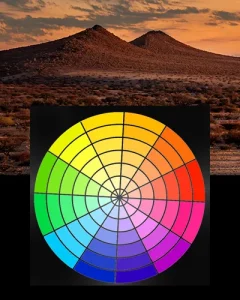
The colour wheel is a tool that helps photographers understand how colours relate to each other. It forms the foundation of colour theory in photography and is essential for making intentional colour choices.
On a basic level, the colour wheel includes the following:
For photographers, the colour wheel helps you:
You do not need to memorize it. Just understanding how colours sit opposite or beside each other can dramatically improve your compositions
These are colours opposite each other on the colour wheel (like blue and orange).
They create:
Understanding colour harmony helps you create stronger compositions.
Use complementary colours to make your subject stand out.
...Bob
These are colours next to each other (like blue, teal, and green).
They create:
This approach works well for calm, cohesive images.
Using different shades of one colour creates a clean, minimal look.
This works well for:
Colour is not just about hue. Light and saturation change how colour feels.
Cloudy days naturally soften colours, making them great for portraits.
...Bob
Editing is where you refine colour and lock in the mood of your image. Small adjustments can completely change how a photo feels.
For more control, adjust colours manually using:
Tools like Lightroom colour grading give you precise control over your colour palette in photography.
Presets are pre-saved editing settings in tools like Lightroom.
They help you:
Use presets as a starting point within your photo editing workflow, not a final result. Adjust based on the image.
LUTs remap colours to create a specific look. They are widely used in cinematic colour grading and increasingly in photography.
They are useful for:
Pushing colours too far makes images look unnatural.
Clashing colours can distract from your subject.
Presets and LUTs are tools, not solutions. Without understanding colour, results can feel inconsistent.
Many photographers focus only on composition and forget colour entirely.
Colour should be a deliberate choice, not an accident.
Colour is one of the most effective storytelling tools in photography. When you understand how colours influence emotion, you gain more control over your images.
Mastering the psychology of colour for photographers takes practice, but it will dramatically improve how your images communicate. These colour tips for photographers will help you create more intentional and emotionally engaging images.
Colour psychology in photography is how colours influence emotion and perception. It helps photographers create mood and guide viewer response.
The colour wheel in photography shows how colours relate. It helps photographers choose combinations like complementary or analogous colours for better composition.
Photographers use warm colours for energy and cool colours for calm. Light, saturation, and editing tools like presets and LUTs help refine the mood.

Colour is one of the most powerful tools in photography. It’s how people feel about

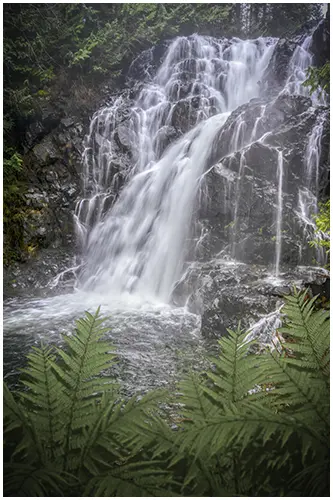
I’ve visited Trout Creek Falls multiple times over the years, and it’s one of those
Colour theory for photographers is something I never thought about when I first started out.